The Pradhan Mantri Fasal Bima Yojna (PMFBY) has been in operation since the 2016 kharif season. The scheme was launched to help farmers cope with crop losses as a result of unseasonal, extreme weather. It supplanted the National Agricultural Insurance Scheme and Modified National Agriculture Insurance scheme. The scheme is supplemented with restructured Weather-Based Crop Insurance Scheme (WBCIS).

Related Articles

Laxman Yadav: ‘Manusmriti’ could only be taught alongside ‘Gulamgiri’ and ‘Annihilation of Caste’
‘The situation today is that even if the BJP loses the next election, teachers wedded to the RSS ideology will continue teaching students for...

Naming military action ‘Operation Sindoor’ unconstitutional, says retired CRPF commandant
If you have still not realized who named the operation 'Sindoor' and why, look at what followed. Even more absurdly, BJP purportedly announced that...

Dhadak 2 and CBFC’s cuts: Are we ready for Pariyerum Perumal’s truth in Hindi?
'Pariyerum Perumal' was a battle cry against caste. If 'Dhadak 2' mutes that cry before its release, are we not losing a chance to...
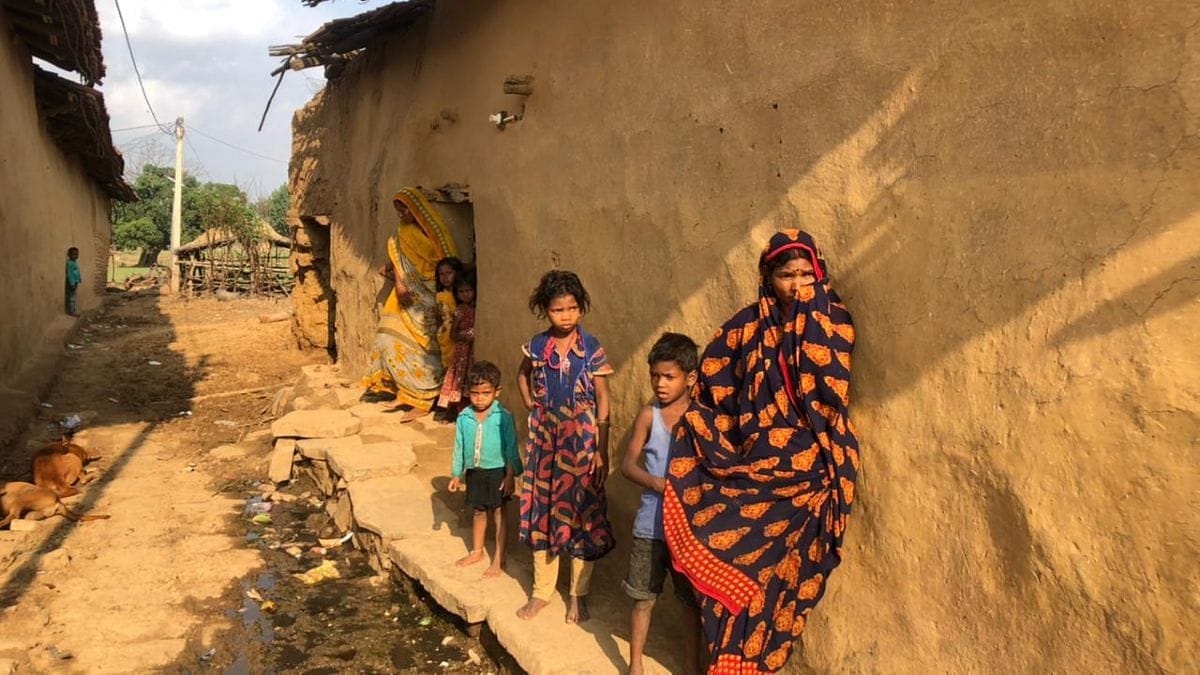
Dominant husbands, hegemonic castes still part of Bihar’s rural landscape
In a study of Aurangabad and Rohtas districts, calls made to women mukhiyas were mostly received by their husbands or other family members. The...

Manoj Jha: A war-like situation faced the country, so we have been calm but alert on caste census
The Cabinet decision to hold a caste census revealed that there has been change in the government’s stand on the concerns of the Bahujan...