e n

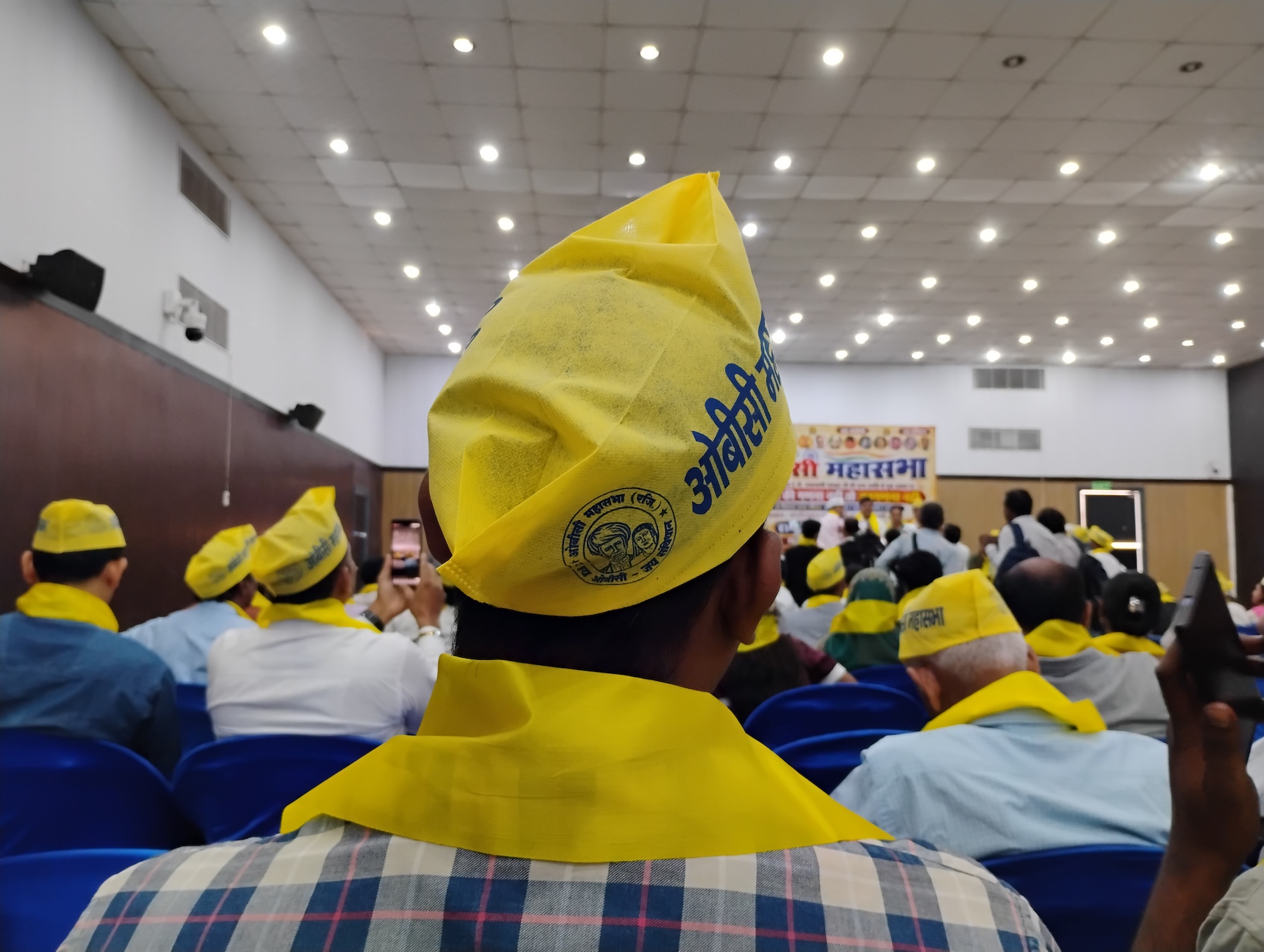
To rule, OBCs need to free themselves from Brahmanism

As the largest community, the backward castes should have been ruling the country. Instead, they have reduced to slaves of the brahmanical order, says R.G. Kureel

Thinkers like Jotirao Phule (Mali), Chhatrapati Shahuji Maharaj (Kurmi), Periyar E.V.R. Naicker (Balija Naidu), Periyar Lalai Singh Yadav (Yadav), Ramswaroop Verma (Kurmi), Jagdeo Prasad (Kushwaha) and many others did their utmost to free the backward castes from the slavery of the brahmanical system. But it would not be an exaggeration to say that the backward castes did not follow in the footsteps of their mentors and emancipators. In 1984, Kanshi Ram founded the Bahujan Samaj Party. He built a movement inspired by these great personalities and made a determined effort to wrest power from the brahmanical forces and hand it over to the Dalitbahujans. But the backward castes never recognized him as their leader. Instead, the leaders of the backward castes continued to carry the palanquin of Brahmanism. They could neither make it to the pinnacle of State power nor free the Backwards from the slavery of Brahmanism.

READ THE FULL ARTICLE HERE: To rule, OBCs need to free themselves from Brahmanism

About The Author

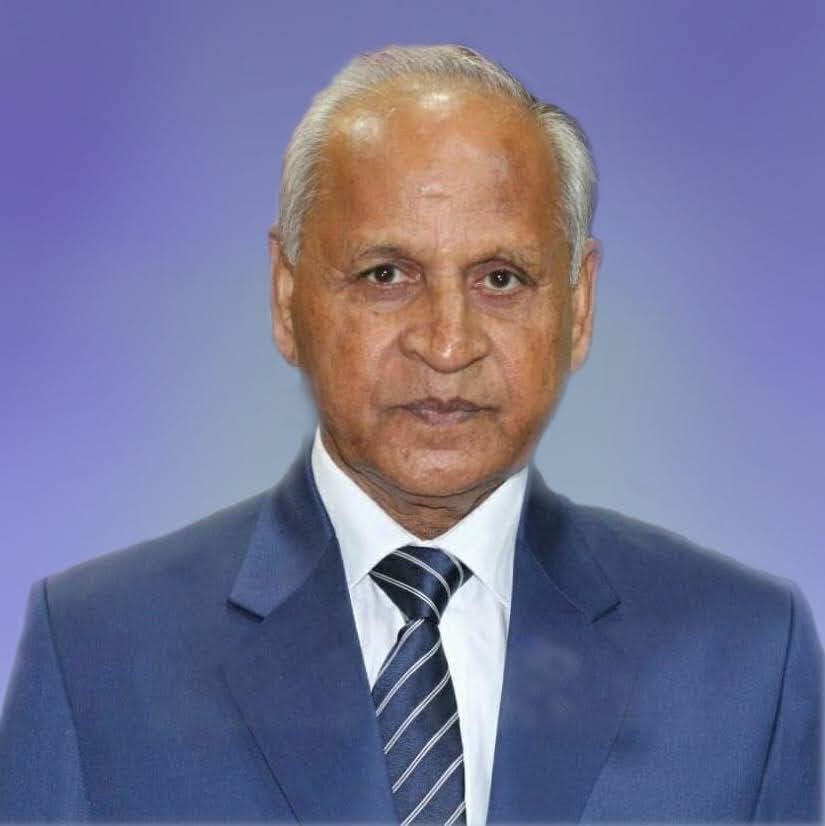
R.G. Kureel

R. G. Kureel is a social activist, author and poet. He is a retired Indian Postal Service officer. His published works include ‘Bhagidari: Kyu aur Kaise’, ‘Zindagi ki Silvaten’ (autobiography), ‘Bahujan Dohawali’ (anthology of poetry) and ‘Bahujan Hunkar’ (anthology of poetry). Kureel edits the monthly magazine ‘Bahujan Savera’.
Related Articles

‘Gail and Bharat’: An intimate portrait of solidarity with the public
There is an informal feel to Somnath Waghmare’s filmmaking that is worth noting. Waghmare himself appears in several of his films, camera in hand,...
West Bengal elections: Adivasi women representation and Hindu imperialist politics
On the one hand, Adivasi women have enthusiastically joined the electoral process, sending out a strong message that they want to enter the field...
Casteism among Muslims and the battle for rights
This book ‘Pasmanda Jan Andolan 1998’ becomes even more relevant in the context of the current sociopolitical scenario. The representation of the Pasmandas in...
Privilege with a bruise: What Manu Joseph gets wrong about dark skin and caste
An upper-caste man with dark skin like Laxman Sivaramakrishnan may experience symbolic downgrading in certain interactions. Yet the architecture beneath him remains intact. His...
Third generation of Muslim leadership: Hopes and ironies
The rise of the Hindu backward castes in the political arena in the 1980s was a novel phenomenon. Naturally, most of its leaders were...