The question of caste and the discrimination it entails has always been an electoral challenge for the Sangh Parivar and its political outfit, the Bharatiya Janata Party (BJP). Since its formation in 1980 and even in its earlier avatar as Bharatiya Jana Sangh, it has been the upper castes which have constituted the core base of the party. Both the Jana Sangh and the BJP had avoided the caste question, considering it as the biggest hurdle in their attempt to present a unified Hindu political majority. However, the implementation of the Mandal Commission report by the Vishwanath Pratap Singh-led National Front government in 1990 forced the BJP to engage with the caste question, especially the growing demands for political representation coming from OBCs, hitherto considered irrelevant in north Indian politics despite constituting the largest chunk of the population.

Related Articles
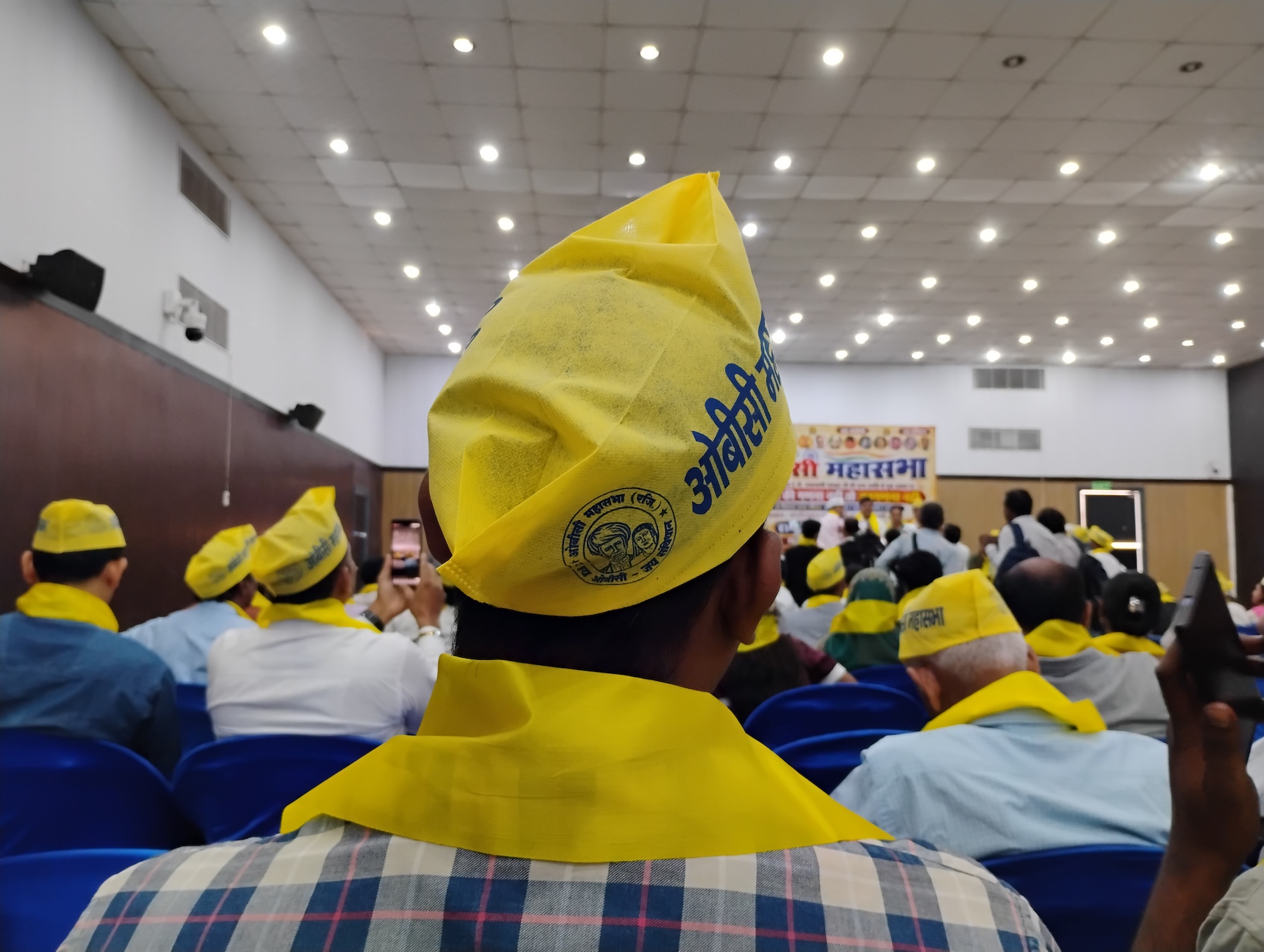
A yellow show of unity and resolve at the OBC Mahasabha meeting in Delhi
The OBC Mahasabha meeting brought together representatives of various castes, including the Pasmanda (Muslim) community, from most of the Hindi-speaking states as well as...
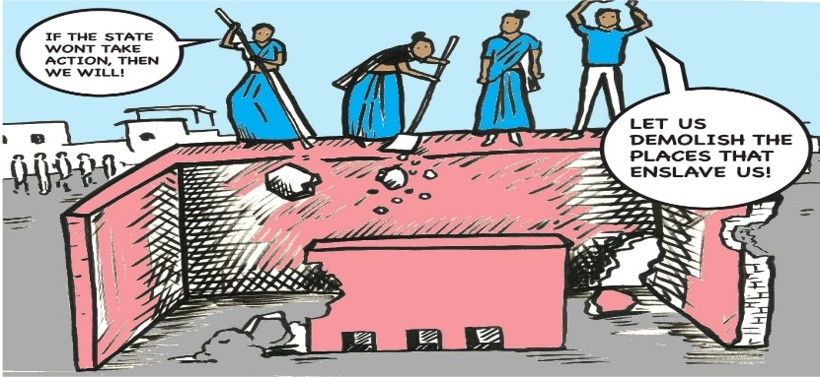
80 years after Independence, we, the manual scavengers, are still fighting for our freedom
We, the Safai Karmachari Andolan (SKA), have launched a yearlong campaign to free India from the shameful practice of manual scavenging. There is a...
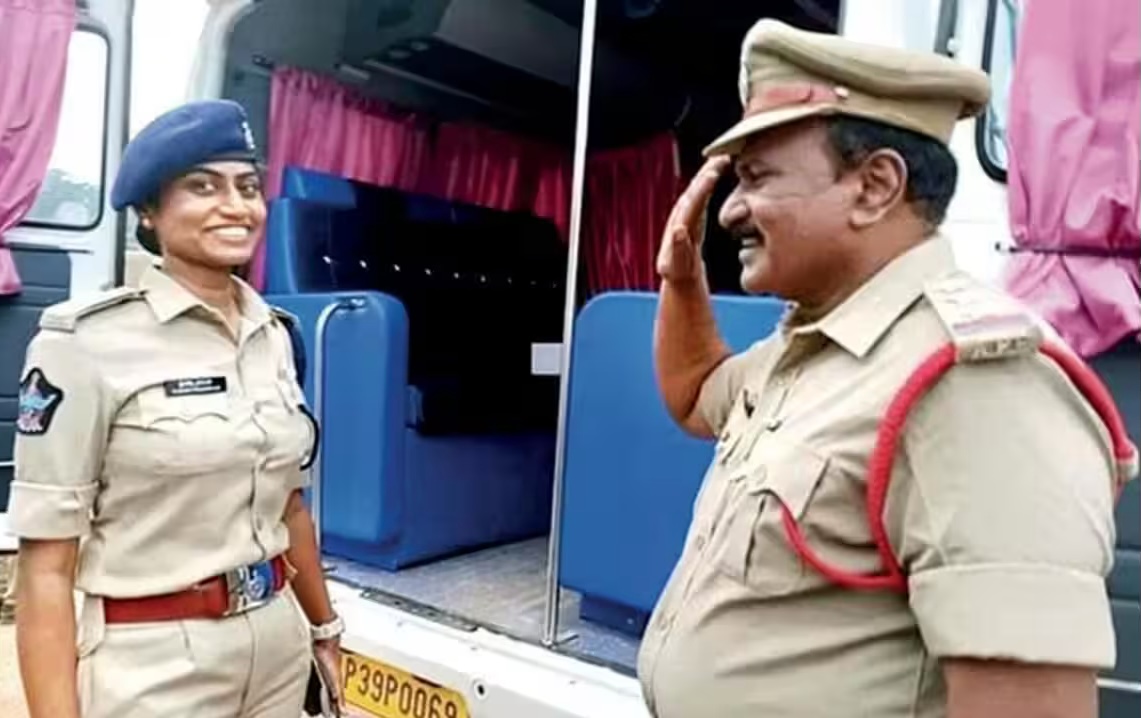
Why are men afraid of women’s freedom?
Men are not necessarily afraid of women’s freedom itself. Sometimes we are afraid of what women’s freedom asks us to reconsider about ourselves. It...
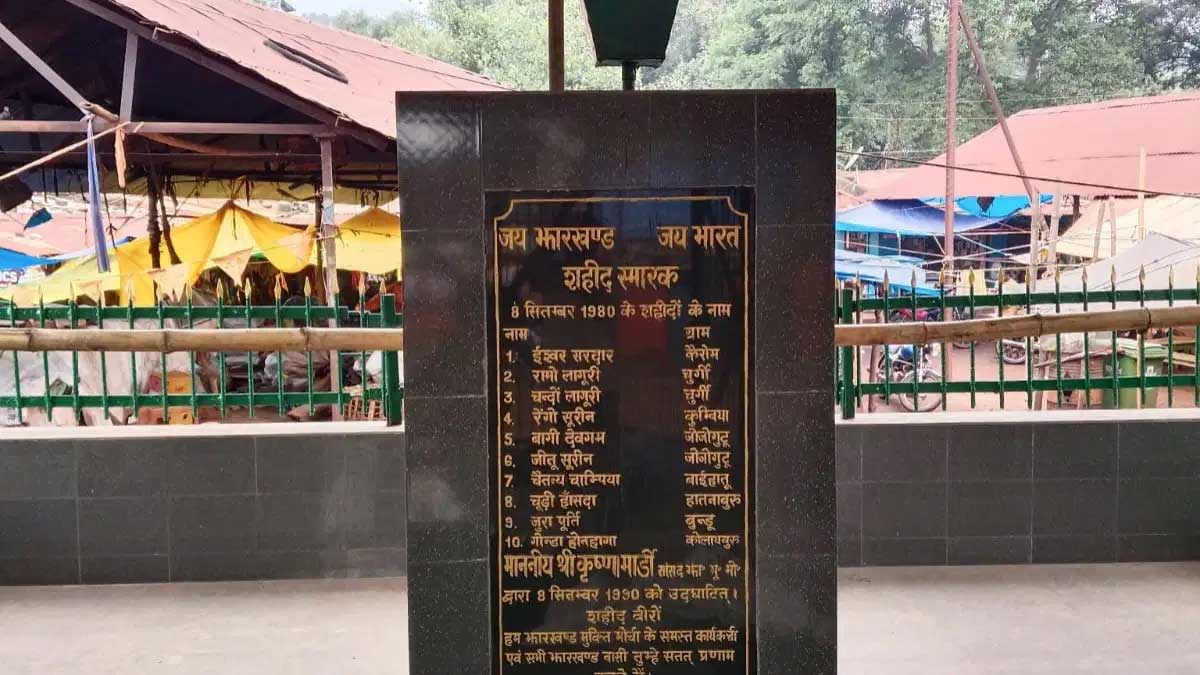
‘Sal versus Sagwan’ movement that led to Gua firing incident 46 years ago
Eleven Adivasis were brutally killed in Gua. Three of them were killed in the firing during a clash between the Adivasis and the police....
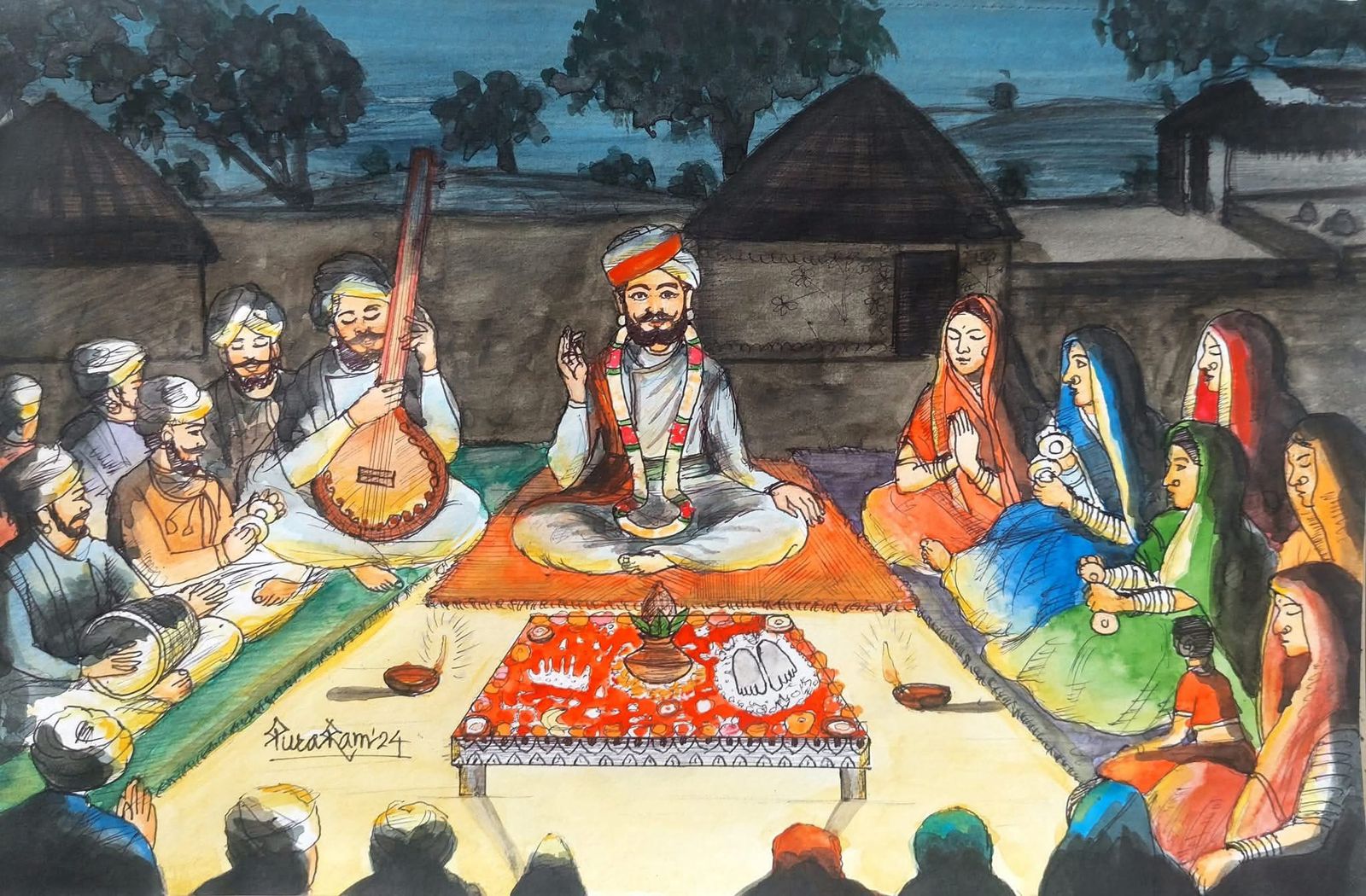
Unmistakably Dalitbahujan character of the Ramdev Pir Jatra
Held in the month of Bhadon, the ‘jatra’ (pilgrimage) is very different from the Kanwar Yatra. The pilgrims are disciplined – they don’t provoke...