Punia Devi, now 37, was widowed even before she could see the face of her husband. It was 1997 and Shivkailash Chaudhary, a resident of Laxmanpur-Bathe, had just returned to his village after his marriage at Kera village in Aurangabad district. As was the tradition, the bride and the groom were not allowed to see each other’s face during the wedding ceremony. Punia could not see the face of her husband even after his death.

Related Articles
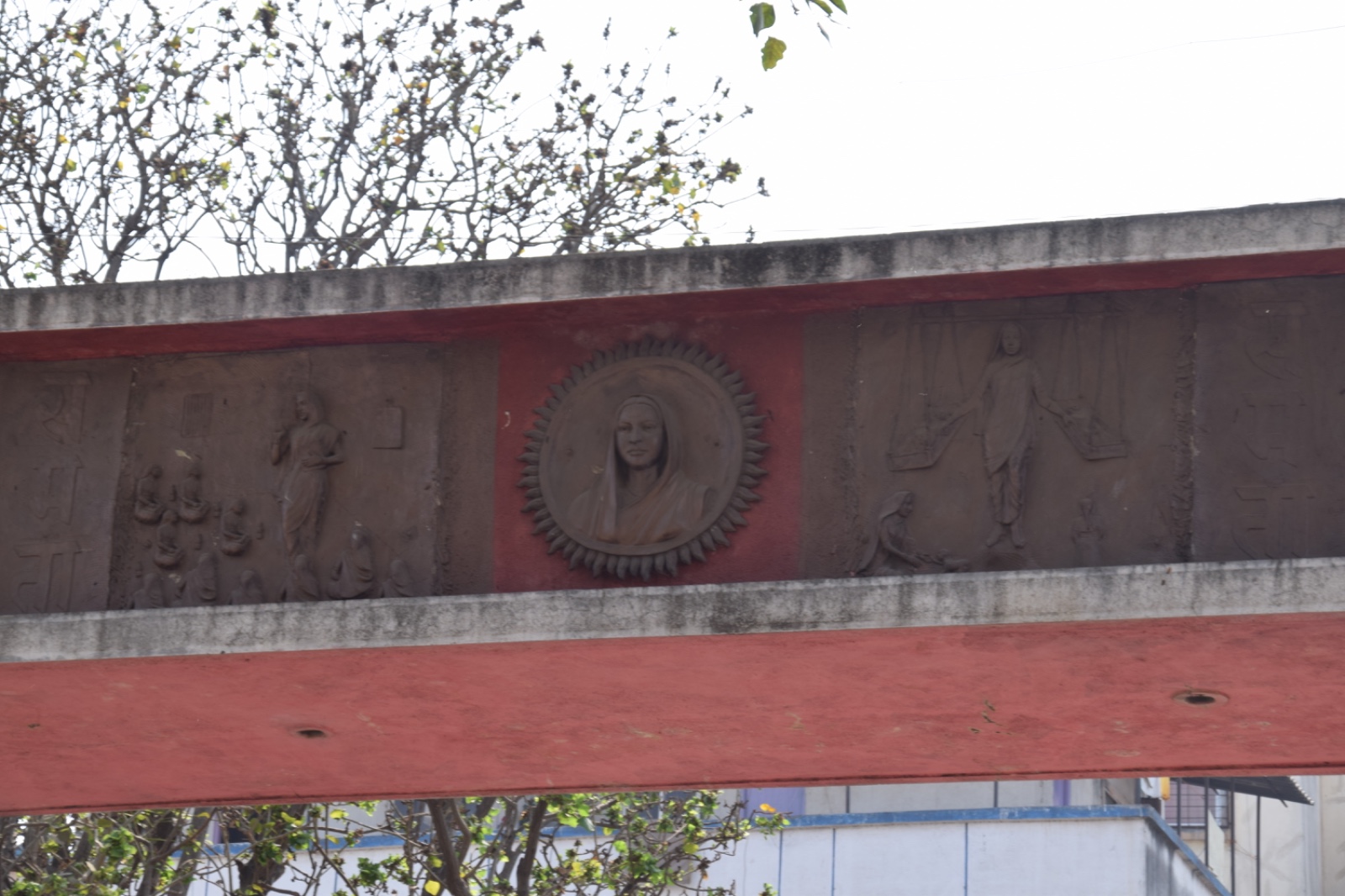
Savitribai Phule: The Mother of Indian English
By celebrating Indian English Day every 5 October alongside a beautiful portrait of Savitribai Phule, PACPET wants to immortalize her heroic declaration in 1854...
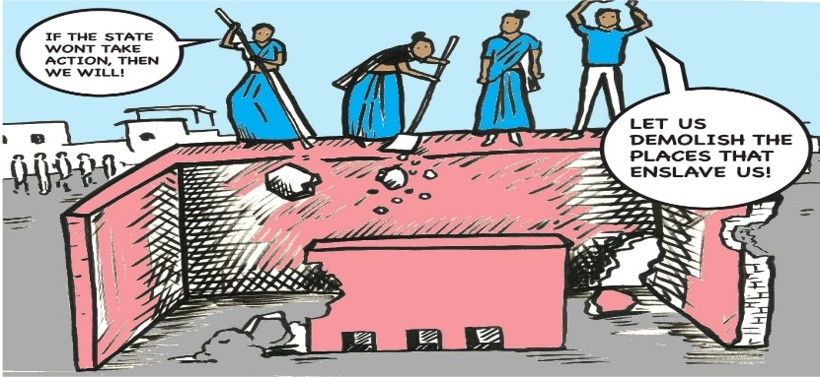
80 years after Independence, we, the manual scavengers, are still fighting for our freedom
We, the Safai Karmachari Andolan (SKA), have launched a yearlong campaign to free India from the shameful practice of manual scavenging. There is a...
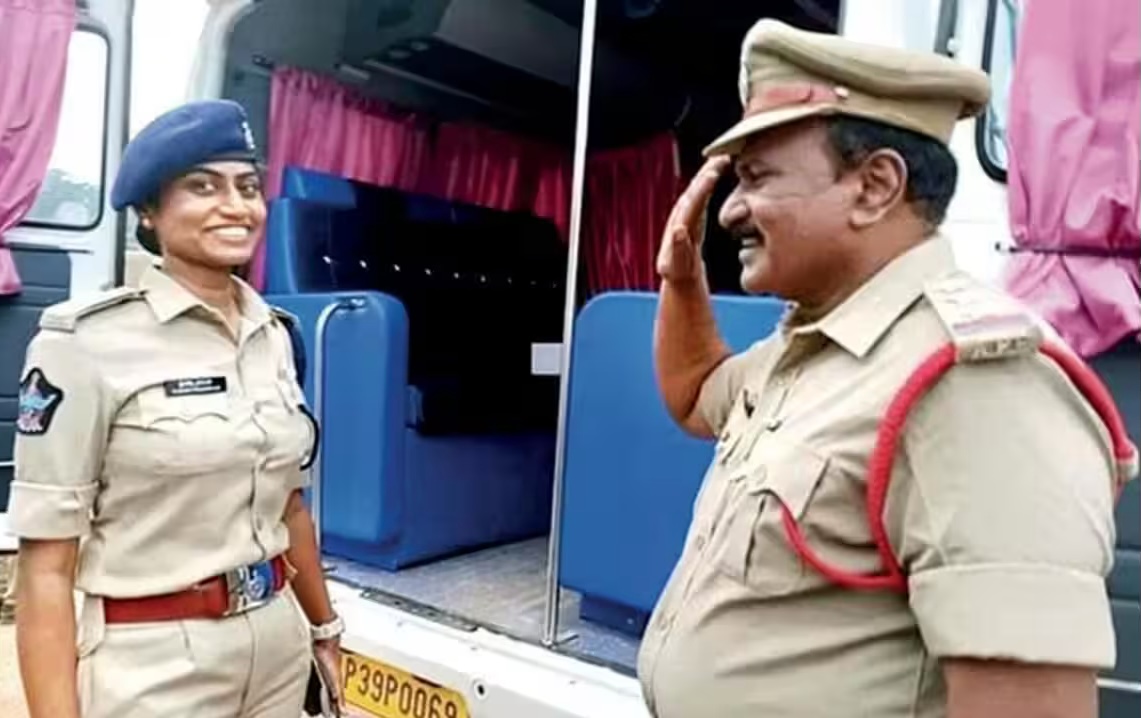
Why are men afraid of women’s freedom?
Men are not necessarily afraid of women’s freedom itself. Sometimes we are afraid of what women’s freedom asks us to reconsider about ourselves. It...
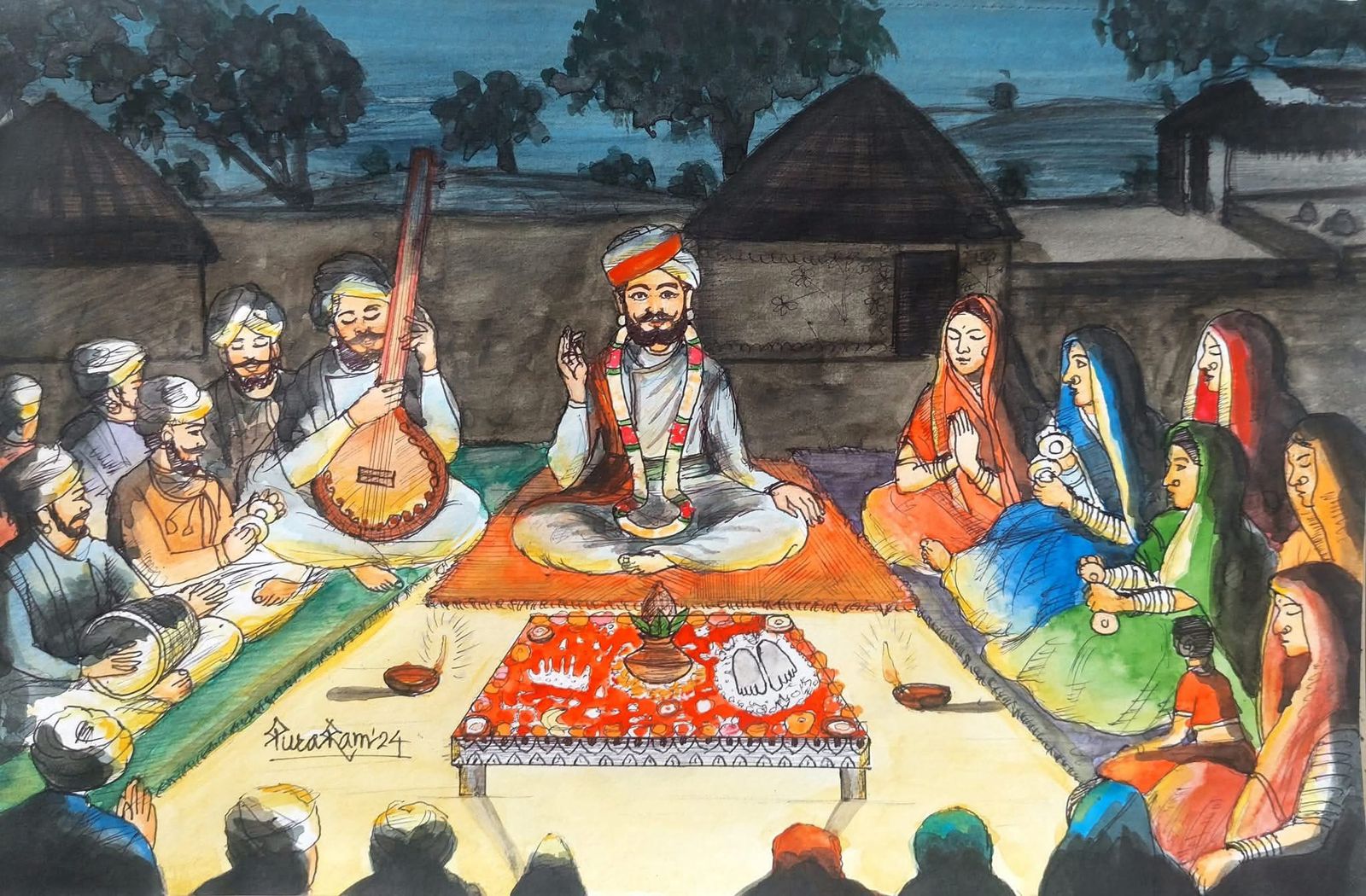
Unmistakably Dalitbahujan character of the Ramdev Pir Jatra
Held in the month of Bhadon, the ‘jatra’ (pilgrimage) is very different from the Kanwar Yatra. The pilgrims are disciplined – they don’t provoke...
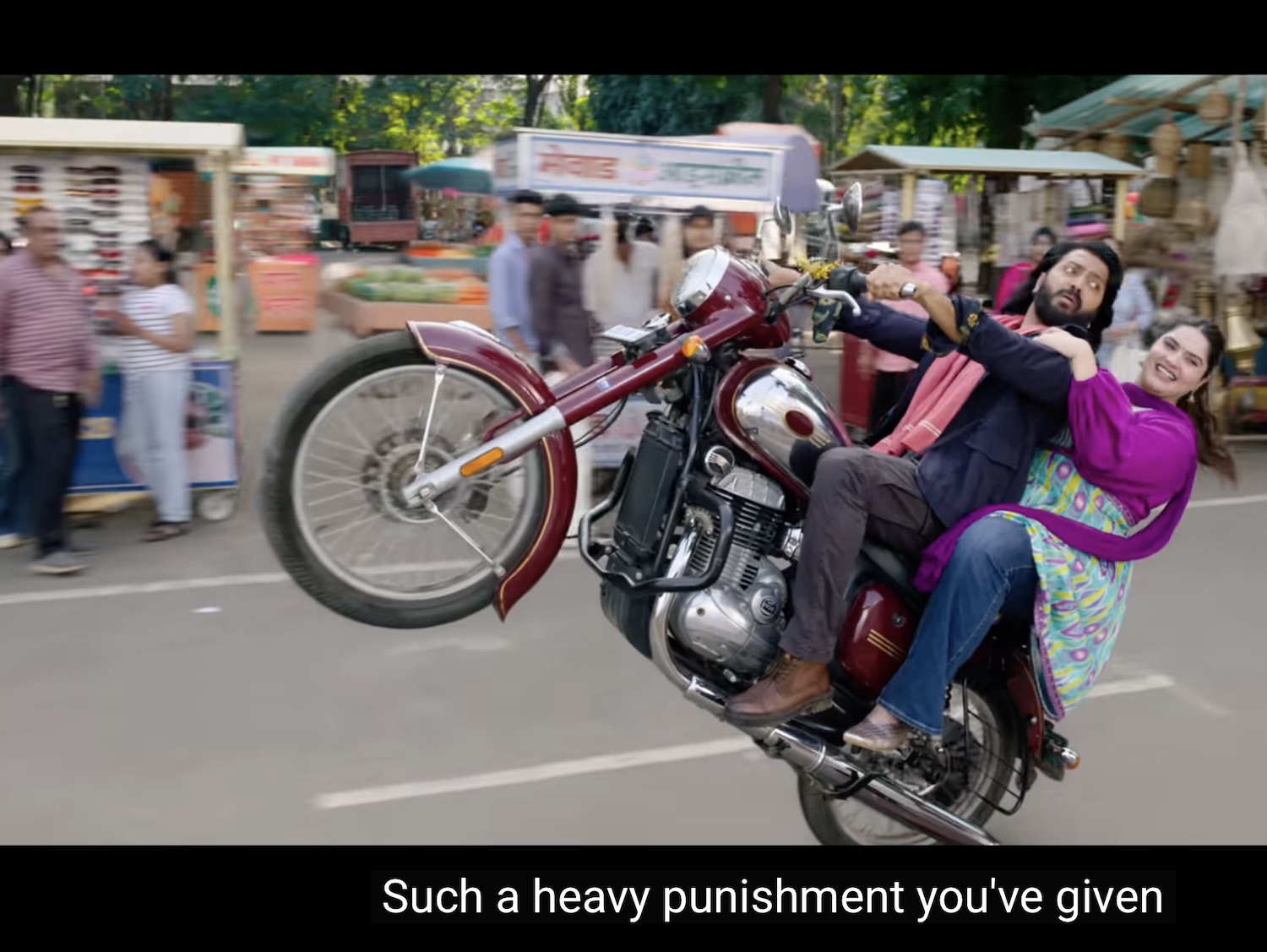
‘Dhamaal 4’ and the problem with laughing at the margins
Indian comedy is capable of laughter-filled entertainment that does not depend, like in ‘Dhamaal 4’, on body-shaming, misogyny or the caricaturing of labouring and...