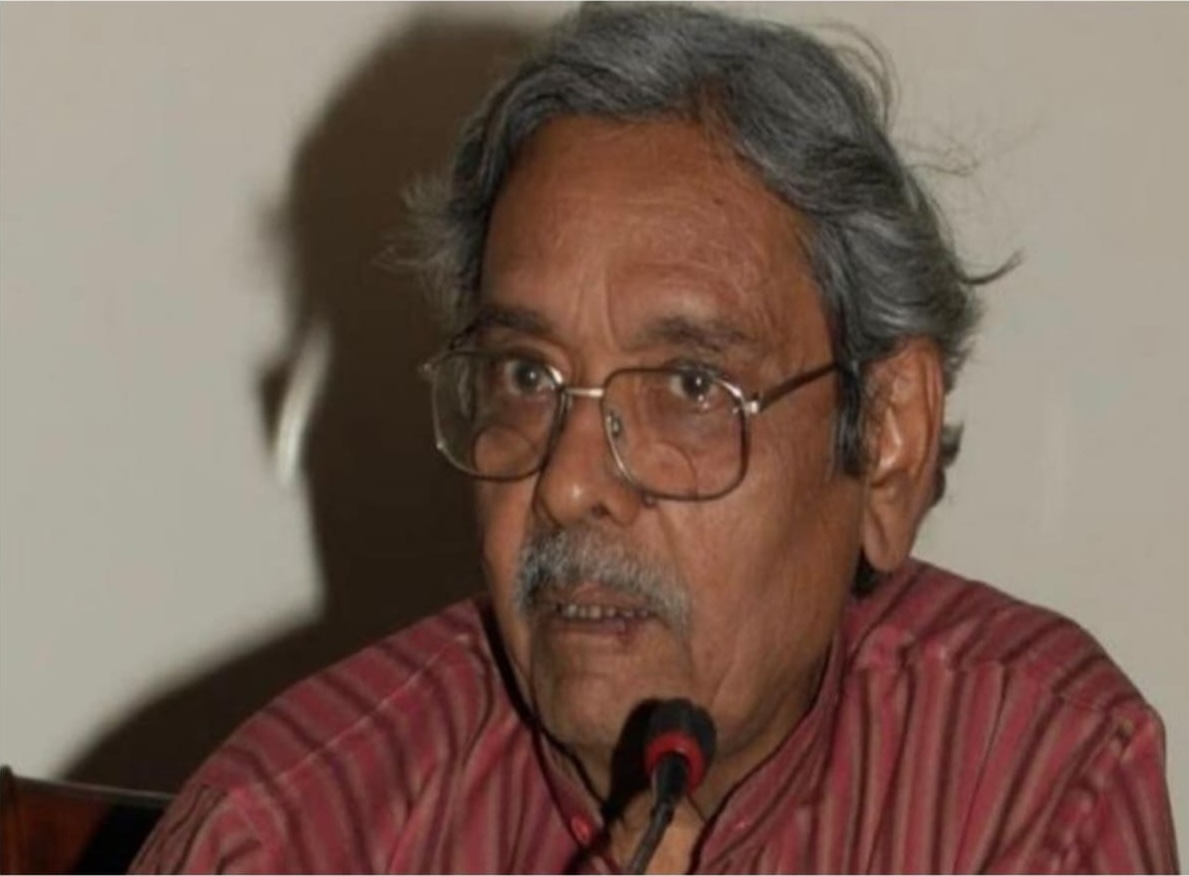
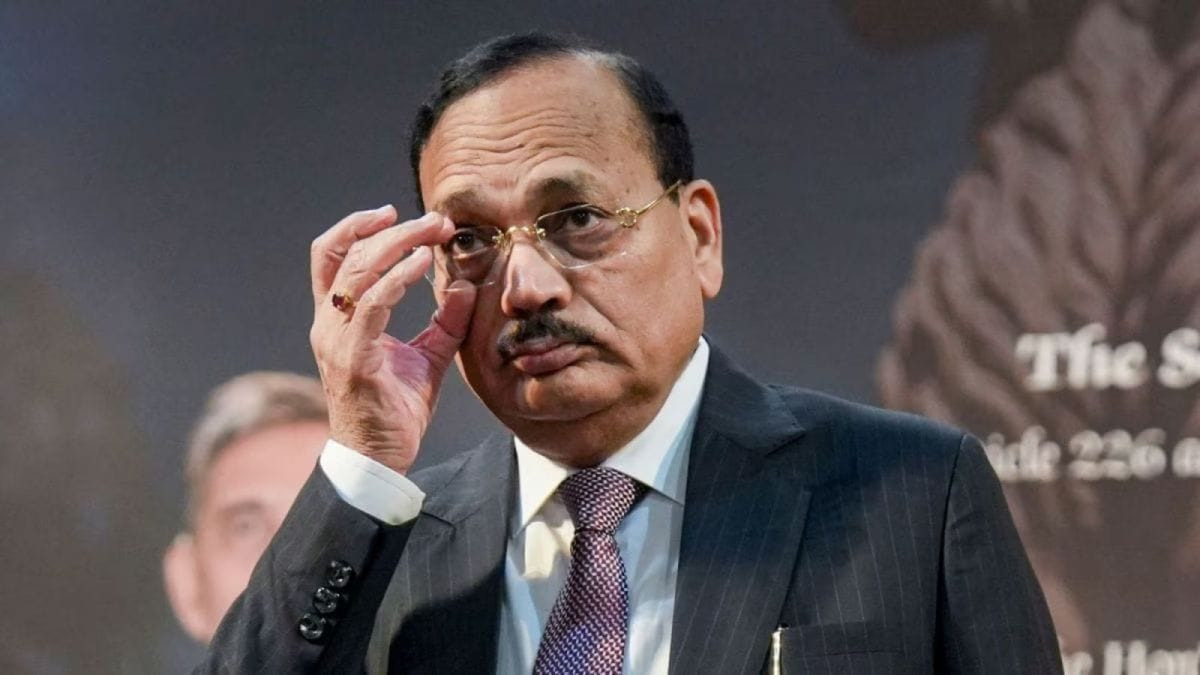
Dipankar Bhattacharya, general secretary, the Communist Party of India (Marxist-Leninist), discusses the outcome of the West Bengal Assembly elections with Nawal Kishore Kumar:
The Left parties have failed to win even a single seat in the recently concluded Assembly polls in West Bengal. What, in your view, led to this drubbing?
The first reason was that the Left parties, especially the CPM [Communist Party of India (Marxist)], failed to gauge what these elections were about. They thought that as the Trinamool Congress (TMC) had been ruling the state for 10 years, the key question before the people was whom to replace the TMC with. But that was not the case. The question before the people was who would be able to stop the onward march of the BJP [Bharatiya Janata Party], which had made major inroads into West Bengal with 38-40 per cent votes and 18 seats in the 2019 Lok Sabha elections. This was the key question. The second reason was that after losing power in 2011, the CPM should have played its role as an opposition party; after ruling the state for 34 years, it needed to reinvent itself as an opposition party; but it could not get rid of its hangover. It continued to behave as if it was in the government, which led to its doom. Just compare the situation with the assembly elections in Bihar in 2015. Lalu Prasad and Nitish Kumar had joined hands to form a formidable alliance against the BJP. We were not a part of that alliance but we still managed to win three seats. No one can say that we were not against the BJP then. Our organization, our movement, was strong in some places where we were in a position to offer considerable resistance in triangular contests or even win seats on our own strength. But the CPM in West Bengal was weak on both these counts. It was not in a position to contest elections independently. Its stand vis-à-vis the BJP was confusing, especially when it proclaimed that the TMC and the BJP were two sides of the same coin. It floated the theory of “Bijemool”. What I feel is that the Left supporters as well as the Congress supporters lost their way and a chunk of them ended up voting for the TMC as a mark of their opposition to the BJP.