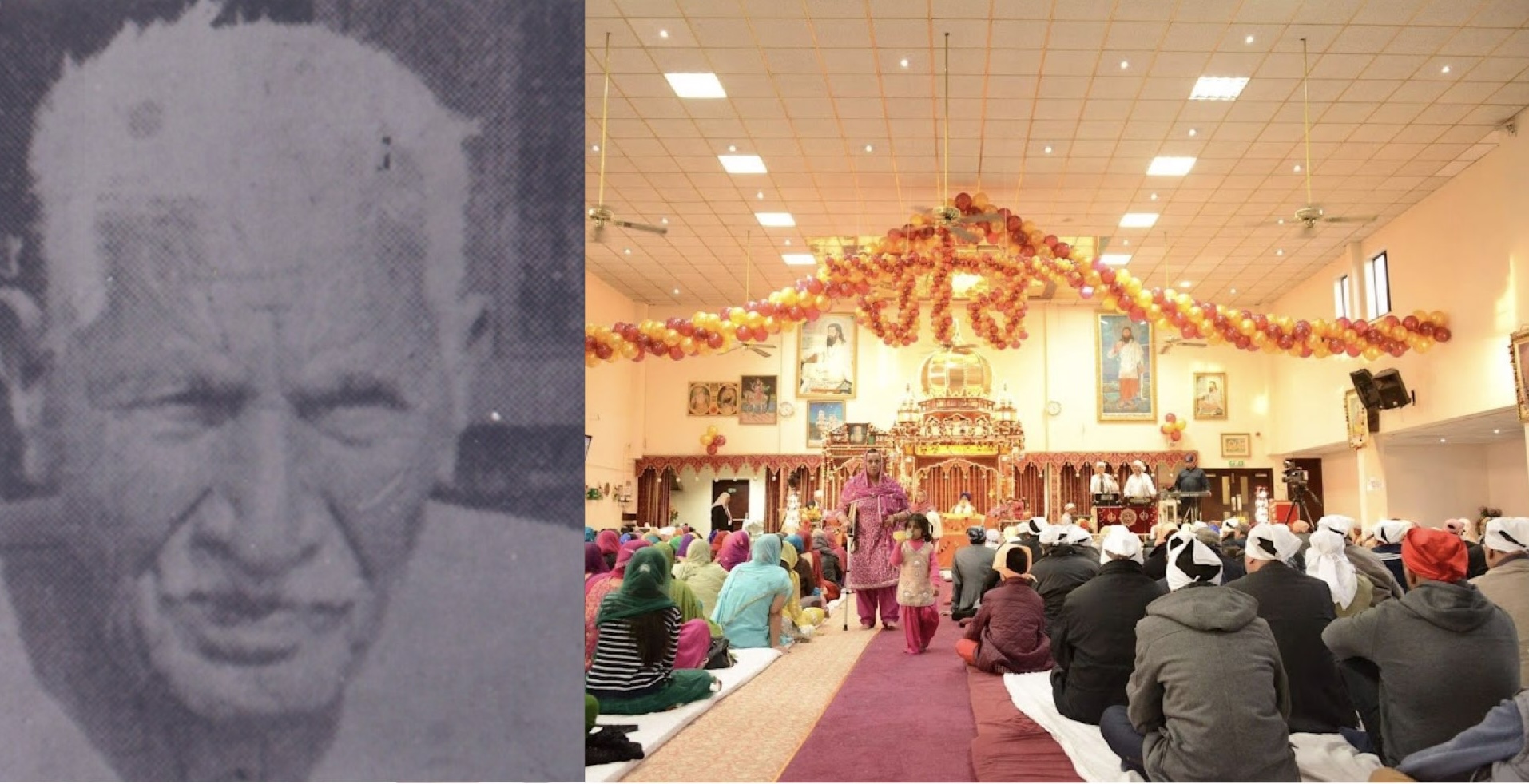
So, what have we to learn from this pandemic? We need to be extra-cautious against the nefarious spread of this deadly virus, and to be socially well-connected to come together and confront this common enemy of mankind. We have been asked to practise social distancing, but in the Indian context, social distancing is not merely an injunction that is now being observed transiently till the Covid-19 has run its course. Caste and creed have long been creating social distancing in our society, but of a type which pandemics do not recognize.
About The Author

Ronki Ram
Ronki Ram is Emeritus Professor at the Institute for Development & Communication, Chandigarh. He was formerly Shaheed Bhagat Singh Chair Professor & Dean (Faculty of Arts), Panjab University, Chandigarh. Ram has been a professor of Contemporary India Studies at Leiden University in Leiden, the Netherlands, and a visiting professor at the Centre of Sikh and Panjabi Studies in the University of Wolverhampton, UK. He holds a PhD in International Studies from Jawaharlal Nehru University and a post-doctoral fellowship in Peace and Conflict Resolution from Uppsala University, Sweden. Among the books he has authored or edited are ‘Dalit Pachhan, Mukti atey Shaktikaran’ (Dalit Identity, Emancipation and Empowerment. Patiala: Punjabi University Publication Bureau, 2012), ‘Dalit Chetna: Sarot te Saruup (Dalit Consciousness: Sources and Form; Chandigarh: Lokgeet Prakashan, 2010) and ‘Globalization and the Politics of Identity in India’, Delhi: Pearson Longman, 2008 (edited with Bhupinder Brar and Ashutosh Kumar).