e n

Waiting for Birsa

The present situation in the Adivasi areas of India is worse than in Birsa’s time. Whether it is in Kevadia, Niyamgiri or Netrahaat, Adivasis are being deprived of their land on the pretext of development, says Manish Bhatt Manu

Birsa Munda (15 November 1875 – 9 June 1900) 

Today is 9 June. It is the martyrdom day of Birsa Munda (15 November 1875 – 9 June 1900) – the progenitor of the “Abua Disum Abua Raj” movement. He was also known as Dharti Aaba. His story begins with a 10-year-old Birsa protesting his teacher’s slur on the Adivasi community and consequently being thrown out from his school in Chaibasa. His name in the school records was Birsa David. He went on to raise his voice against the Indian Forest Act 1855, the British government’s atrocities against the Adivasis and its policy of usurping the land of the Adivasis. 

READ THE FULL ARTICLE HERE: Waiting for Birsa

About The Author

Manish Bhatt Manu

Manish Bhatta Manu is a Bhopal-based journalist. He has been associated with the Hindi daily 'Deshbandhu' for a long time and has regularly contributed to other newspapers and magazines on issues concerning Adivasis

Related Articles

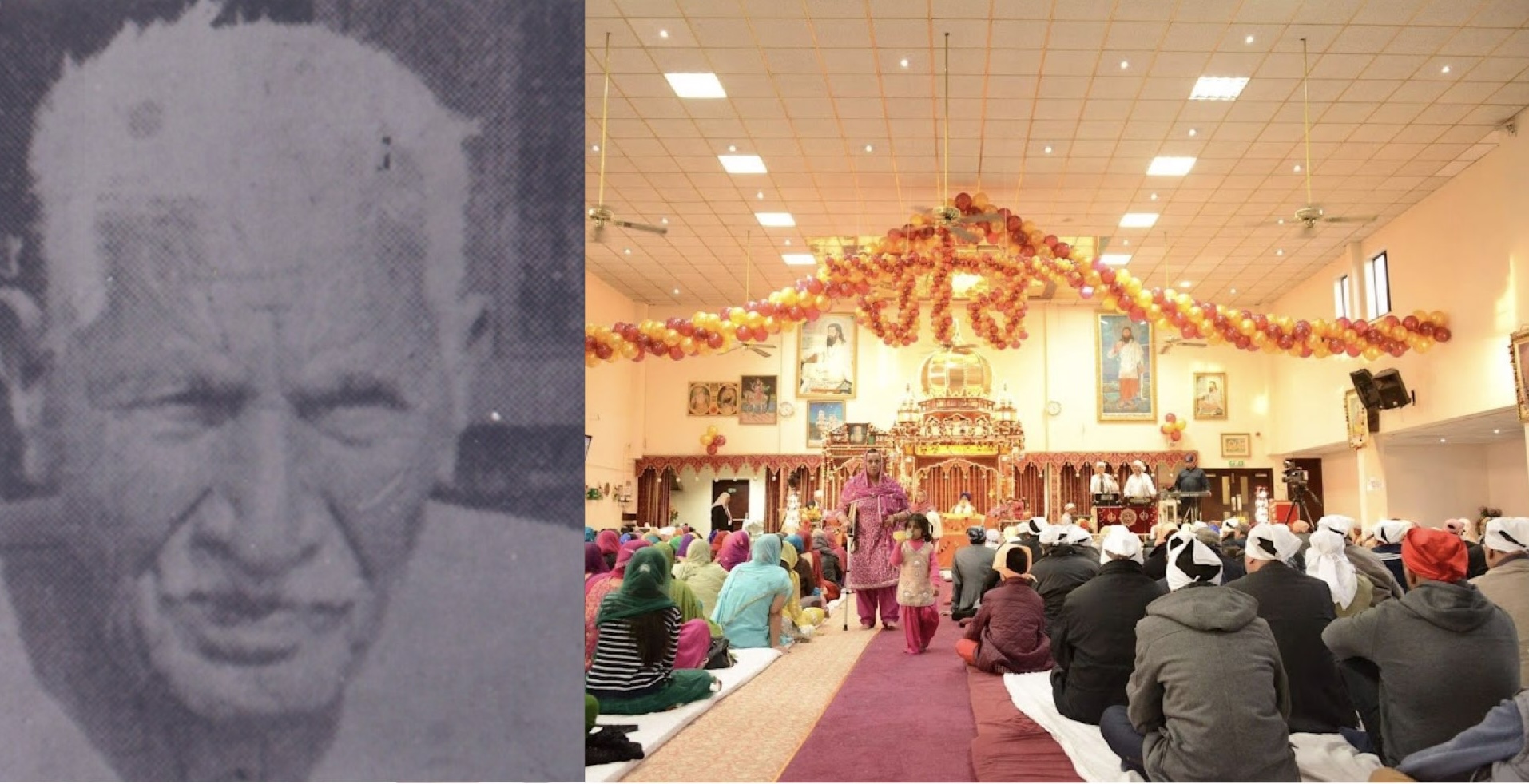
Mangu Ram Mugowalia, Ad Dharm movement and the rise of the Ravidass Panth
Although Guru Ravidass was already a revered figure among the Untouchable community of Punjab, it was the Ad Dharm movement that used images of...
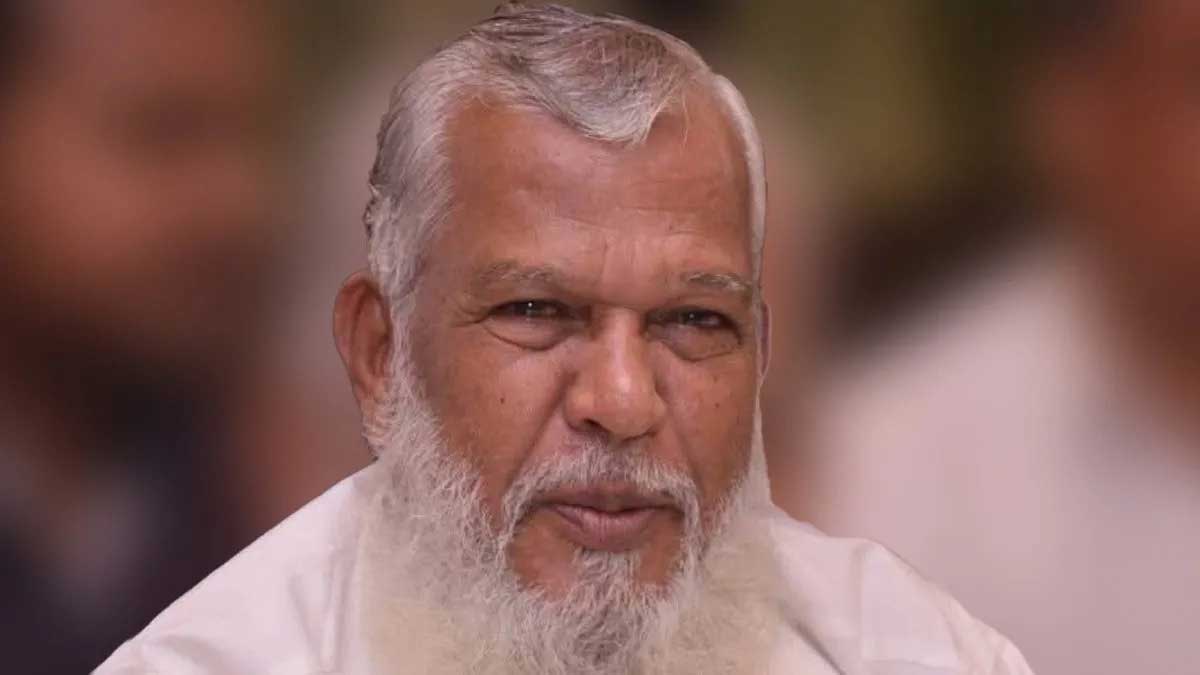
Shabbir Ahmed Ansari: Harbinger of Pasmanda consciousness
Shabbir Ahmed Ansari’s life shows that social reform is not only about sloganeering. It is also about making use of constitutional and legal provisions...
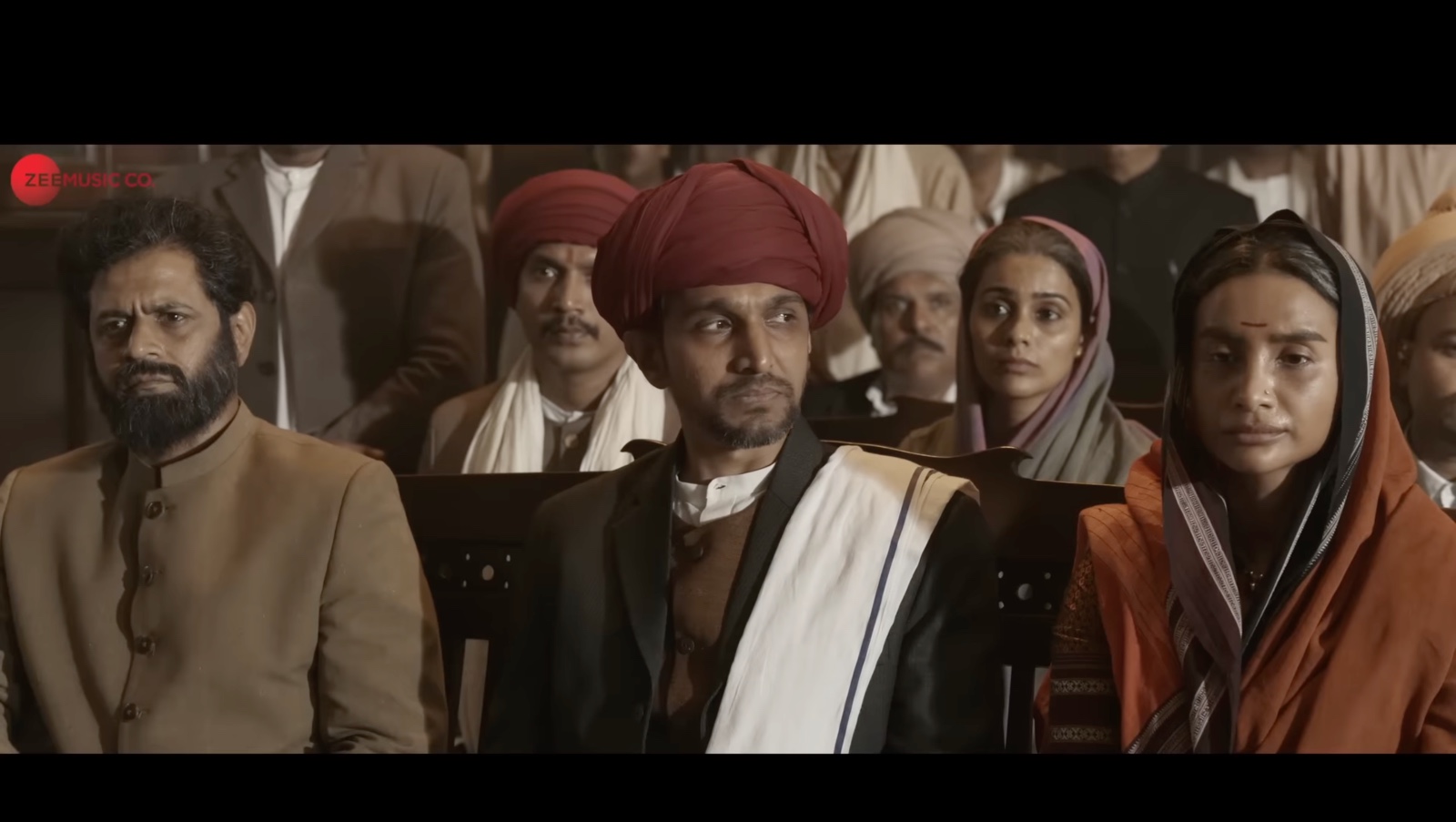
Phule’s Sarvajanik Satyadharma in times of religious hatred
What is surprising is that references to how Phule saw Islam and Christianity are totally missing from the discourse even as communalism in general...
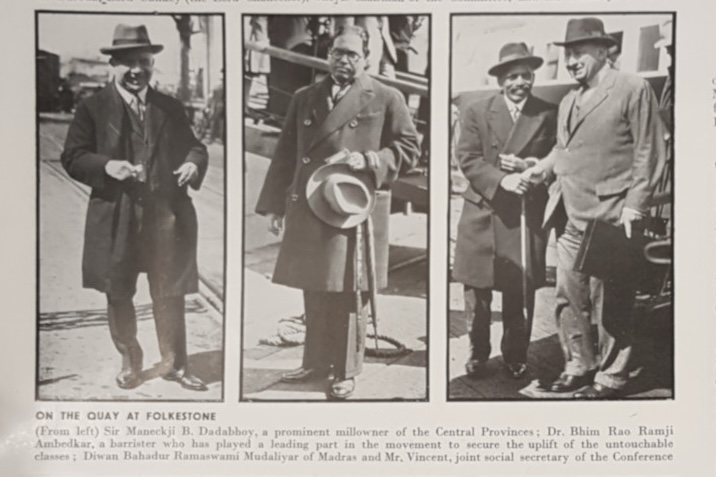
Discovering Babasaheb’s lost speeches in the West
At the time of the Round Table Conferences, Dr Ambedkar had become a sought-after speaker in the UK, the US and Canada, as a...
Jotirao Phule’s ideology and literature
Phule challenged the traditional concept of literature. For him, literature was not only about aesthetics. It was a tool for ushering in social justice....