The Adivasis are becoming increasingly conscious of their rights and are coming together to assert them, even as the Bharatiya Janata Party (BJP) is making an all-out effort to draw them into its fold. On 15 November 2021, Prime Minister Narendra Modi addressed a gathering in Bhopal to mark the birth anniversary of Birsa Munda and announced that 15 November will be celebrated as Janjatiya Gaurav Diwas. A firm believer in the adage that imitation is the best form of flattery, Madhya Pradesh Chief Minister Shivraj Singh Chouhan announced, on 4 December 2021, the martyrdom day of Tantya Bhil alias Tantya Mama, that the Panchayats (Extension to Scheduled Areas) Act, 1996 (PESA Act) would be implemented in Madhya Pradesh. Even at the time, the organizations and individuals working for the cause of the Adivasis had questioned the intention of the government. The government did not respond to their concerns. Now, the government’s reply to a question under the Right to Information Act 2005 has revealed some startling facts about the matter.

Related Articles
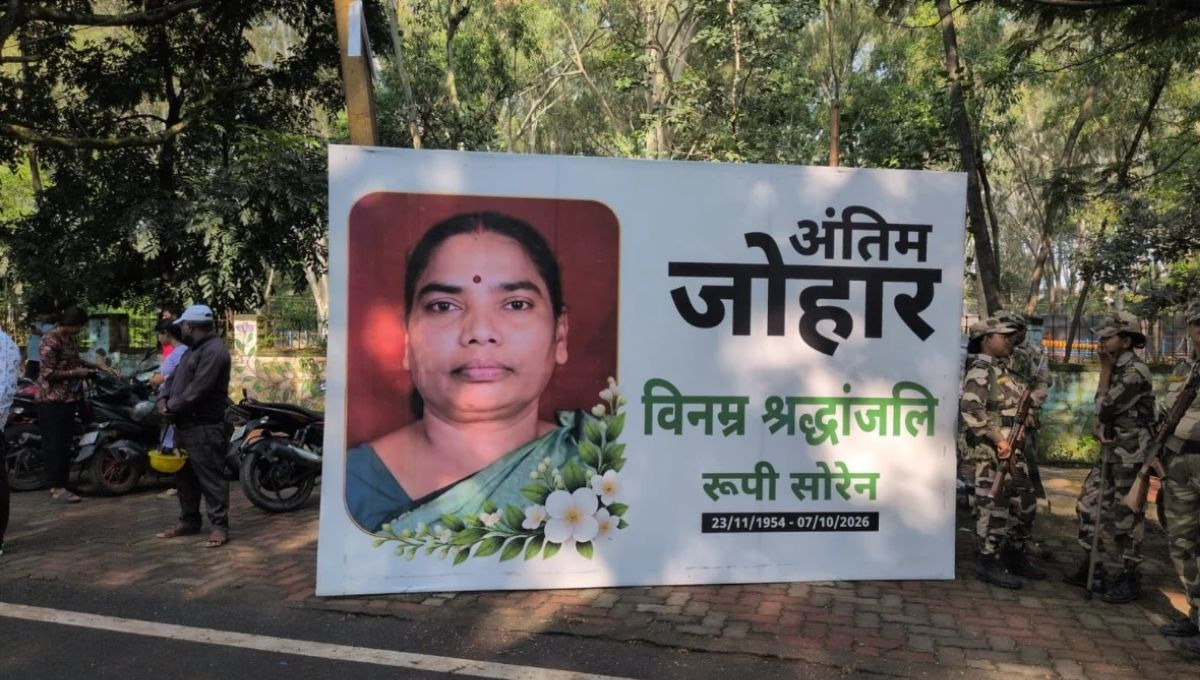
Obituary: Rupi Soren and the long wait for Shibu’s homecoming
Rupi Soren used to run her household with the help of her mother-in-law, Sonamani, and the wife of Shibu’s elder brother, Rajaram. Whether it...
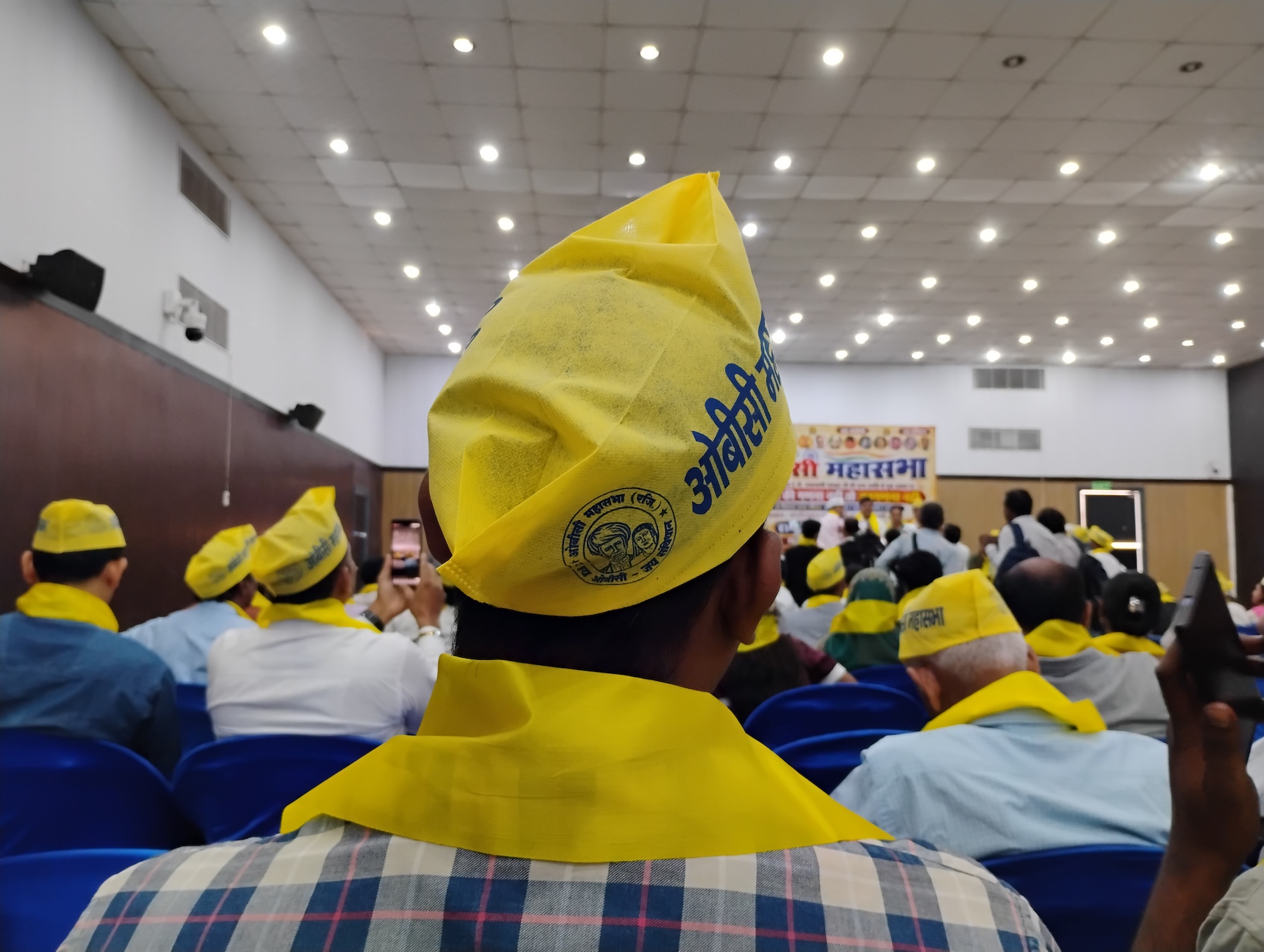
A yellow show of unity and resolve at the OBC Mahasabha meeting in Delhi
The OBC Mahasabha meeting brought together representatives of various castes, including the Pasmanda (Muslim) community, from most of the Hindi-speaking states as well as...
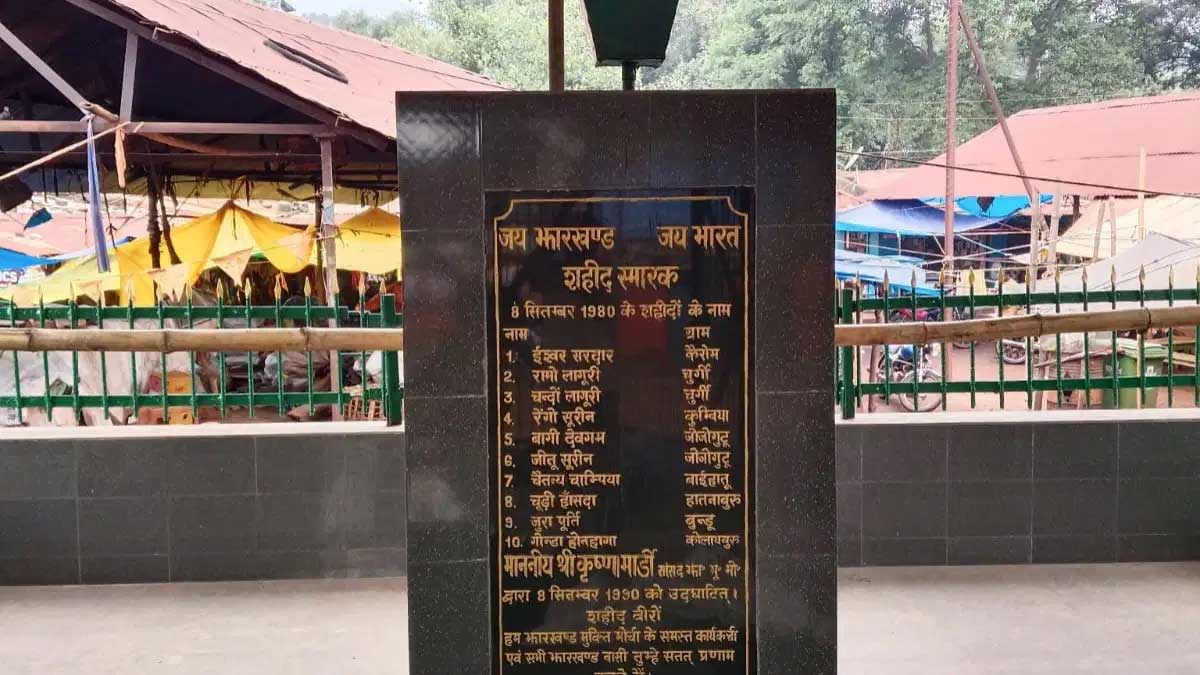
‘Sal versus Sagwan’ movement that led to Gua firing incident 46 years ago
Eleven Adivasis were brutally killed in Gua. Three of them were killed in the firing during a clash between the Adivasis and the police....

The rush to delete the digital archive of resistance
When fact checkers reconstructed the events of July 20 Chalo Sansad march they relied on hundreds of user-generated videos with different timestamps and vantage...
The Dalits of Dangawas after the court judgment
Sonki Devi, the wife of Paancharam, had never ever ventured into her village without her face covered and head down. Little did she know...