e n

1866 Famine of Orissa: Tragedies within a tragedy

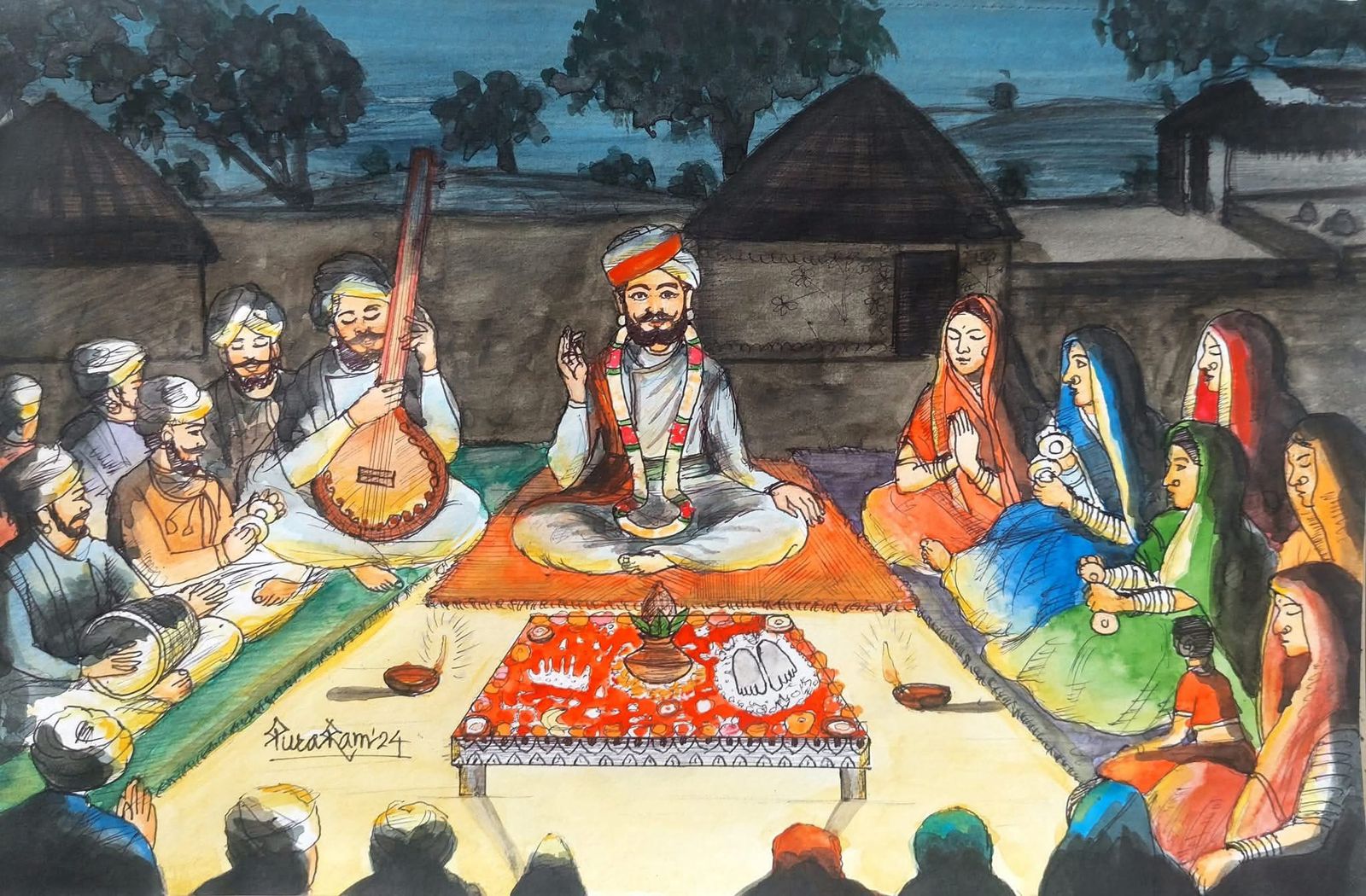
The worst victims of the famine had to seek refuge in feeding centres, where they were barely kept alive by the colonial administration or charitable institutions. Some of them became outcastes because they had shared food there with people of other castes. Jean Dreze reviews Bidyut Mohanty’s ‘A Haunting Tragedy’

It is a sobering thought that, not so long ago, famines occurred in India that killed up to one third of the local population. The famine of 1866 in Orissa is one terrifying example – a “haunting tragedy” as the evocative title of Bidyut Mohanty’s book puts it.

READ THE FULL ARTICLE HERE: 1866 Famine of Orissa: Tragedies within a tragedy

About The Author

Jean Drèze

Jean Drèze, a Belgian-born Indian development economist, is a visiting professor of economics at Ranchi University and an honorary professor at the Delhi School of Economics. He has taught at the London School of Economics and Allahabad University. Drèze’s contribution to documenting the state of India’s rural economy has been monumental. He was one of the key minds behind the (Mahatma Gandhi) National Rural Employment Guarantee Act. He has co-authored books with Nobel laureate Amartya Sen, including ‘Hunger and Public Action’ and ‘An Uncertain Glory: India and its Contradictions’. His research interests include social inequality, elementary education, child nutrition, health care and food security
Related Articles

West Bengal elections: Adivasi women representation and Hindu imperialist politics
On the one hand, Adivasi women have enthusiastically joined the electoral process, sending out a strong message that they want to enter the field...
Casteism among Muslims and the battle for rights
This book ‘Pasmanda Jan Andolan 1998’ becomes even more relevant in the context of the current sociopolitical scenario. The representation of the Pasmandas in...
Privilege with a bruise: What Manu Joseph gets wrong about dark skin and caste
An upper-caste man with dark skin like Laxman Sivaramakrishnan may experience symbolic downgrading in certain interactions. Yet the architecture beneath him remains intact. His...
Third generation of Muslim leadership: Hopes and ironies
The rise of the Hindu backward castes in the political arena in the 1980s was a novel phenomenon. Naturally, most of its leaders were...
Savarna sympathy, Dalit erasure: A critique of cinematic morality in Telugu film ‘Dacoit’
By the time viewers leave the theatre, the Dalit protagonist’s fate does not register as the consequence of caste transgression, of loving across rigid...