e n

Mandal vs Kamandal: Now, Kamandal has the upper hand

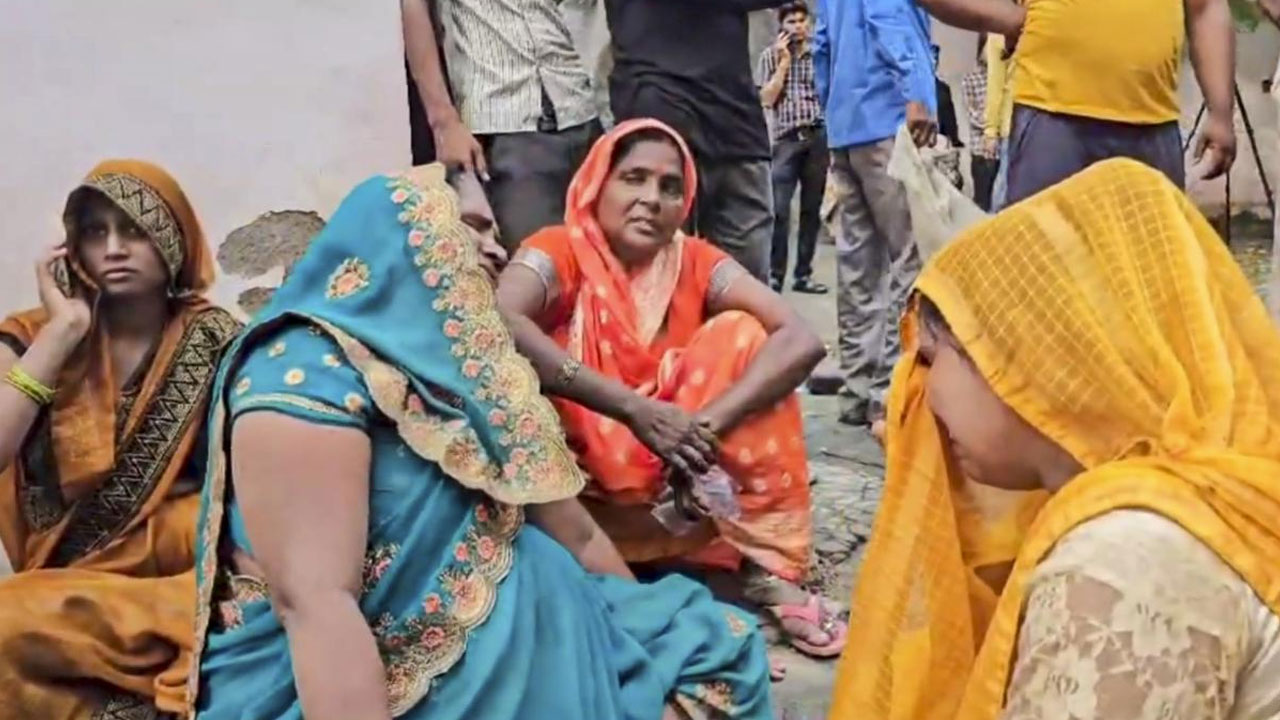
Most of the riots were reported from places where the Dalits, the Extremely Backward and the Muslims had been living together in peace. These communities have deep, strong social, political and economic ties. It is apparent that this time the pro-Kamandal forces have done their homework well while the Dalitbahujans are singularly lacking in the kind of leadership they had in the 1990s, says Saiyed Zegham Murtaza

At least since 1990-91, the Muslims have been supportive of the Dalits and the OBCs’ fight for social justice. The non-Congress, non-BJP parties have been dependent on the Muslims-Dalit-OBCs combine for their electoral victories. But the cooperation among those communities was not limited to elections or political agitations. In recent years, the minorities have consistently stood by the Dalits on issues related to atrocities perpetrated against them and their social rights. But this alliance does not suit the flag-bearers of communal ideology. At least that is the impression one gets from the violence, supposedly rooted in religion, that has broken out in different parts of the country recently.

READ THE FULL ARTICLE HERE: Mandal vs Kamandal: Now, Kamandal has the upper hand

About The Author

Saiyed Zegham Murtaza

Syed Zegham Murtaza is an independent journalist based in Delhi. Born in Amroha, Uttar Pradesh, Murtaza has a masters in public administration and mass communication from Aligarh Muslim University. He is a regular contributor to various newspapers, magazines and news websites.

Related Articles

Casteism among Muslims and the battle for rights
This book ‘Pasmanda Jan Andolan 1998’ becomes even more relevant in the context of the current sociopolitical scenario. The representation of the Pasmandas in...
Privilege with a bruise: What Manu Joseph gets wrong about dark skin and caste
An upper-caste man with dark skin like Laxman Sivaramakrishnan may experience symbolic downgrading in certain interactions. Yet the architecture beneath him remains intact. His...
Third generation of Muslim leadership: Hopes and ironies
The rise of the Hindu backward castes in the political arena in the 1980s was a novel phenomenon. Naturally, most of its leaders were...
Savarna sympathy, Dalit erasure: A critique of cinematic morality in Telugu film ‘Dacoit’
By the time viewers leave the theatre, the Dalit protagonist’s fate does not register as the consequence of caste transgression, of loving across rigid...
Pluralisation challenges to contemporary anti-caste movements
Contemporary anti-caste movements have become experts in pluralism (counting identities, demanding quotas) but have lost the art of pluralisation. The global crisis of democracy...