Uttar Pradesh Minister of State Dinesh Khatik dispatching his resignation from the council of ministers to the Union Home Minister and the state governor draws our attention to two things – the first is how the Bharatiya Janata Party (BJP) treats its leaders from castes designated as Shudras and Untouchables by the Varna system; the second is the self-evident contradiction in those belonging to these castes who have joined the race for power being subjected to casteist oppression and yet remaining in power.

Related Articles
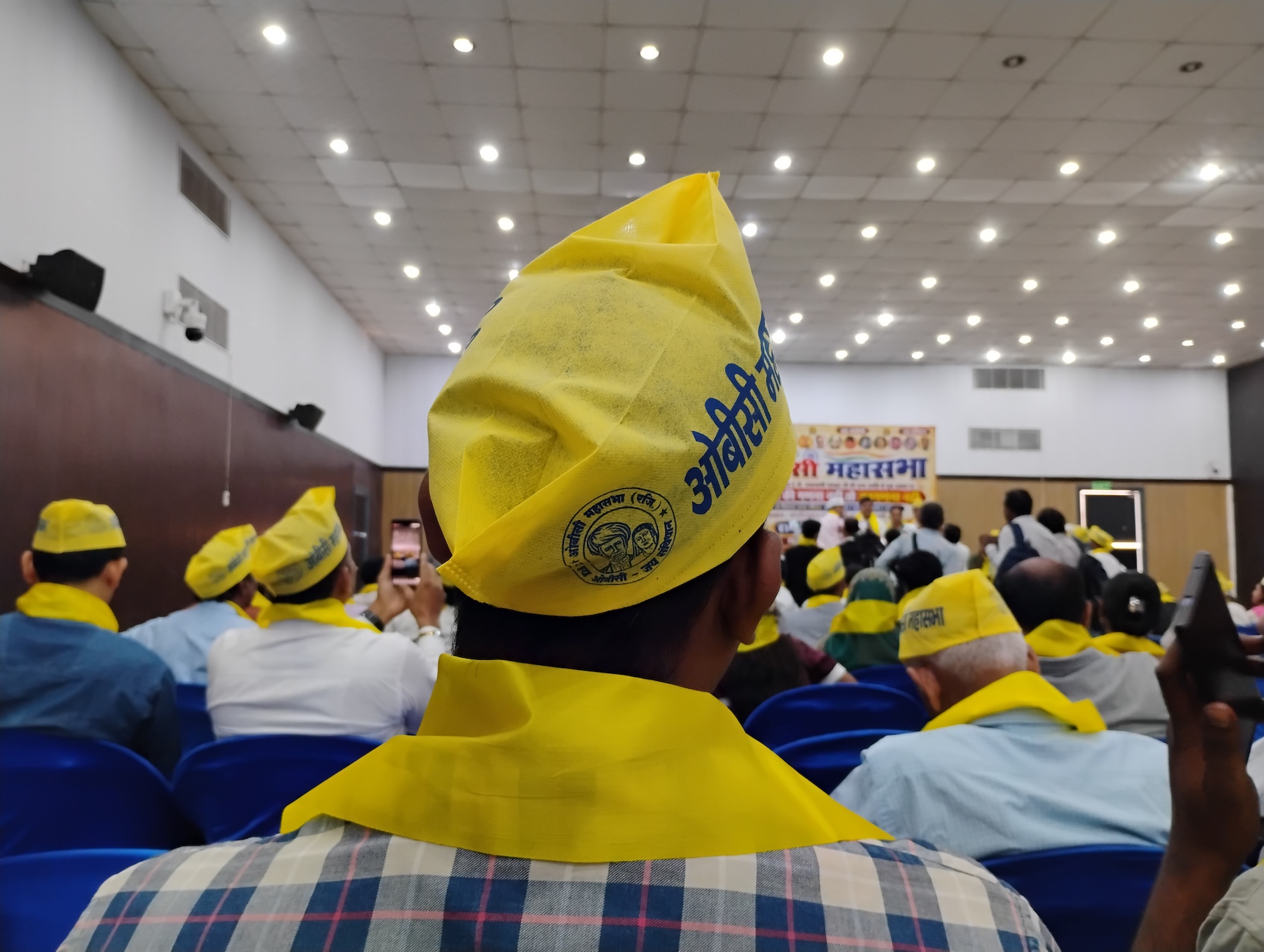
A yellow show of unity and resolve at the OBC Mahasabha meeting in Delhi
The OBC Mahasabha meeting brought together representatives of various castes, including the Pasmanda (Muslim) community, from most of the Hindi-speaking states as well as...
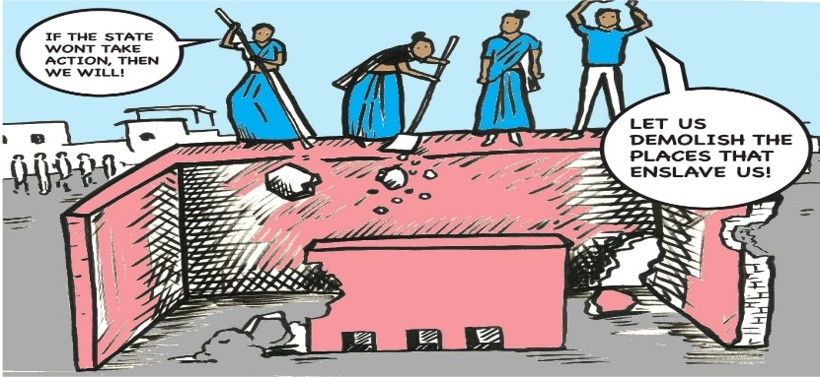
80 years after Independence, we, the manual scavengers, are still fighting for our freedom
We, the Safai Karmachari Andolan (SKA), have launched a yearlong campaign to free India from the shameful practice of manual scavenging. There is a...
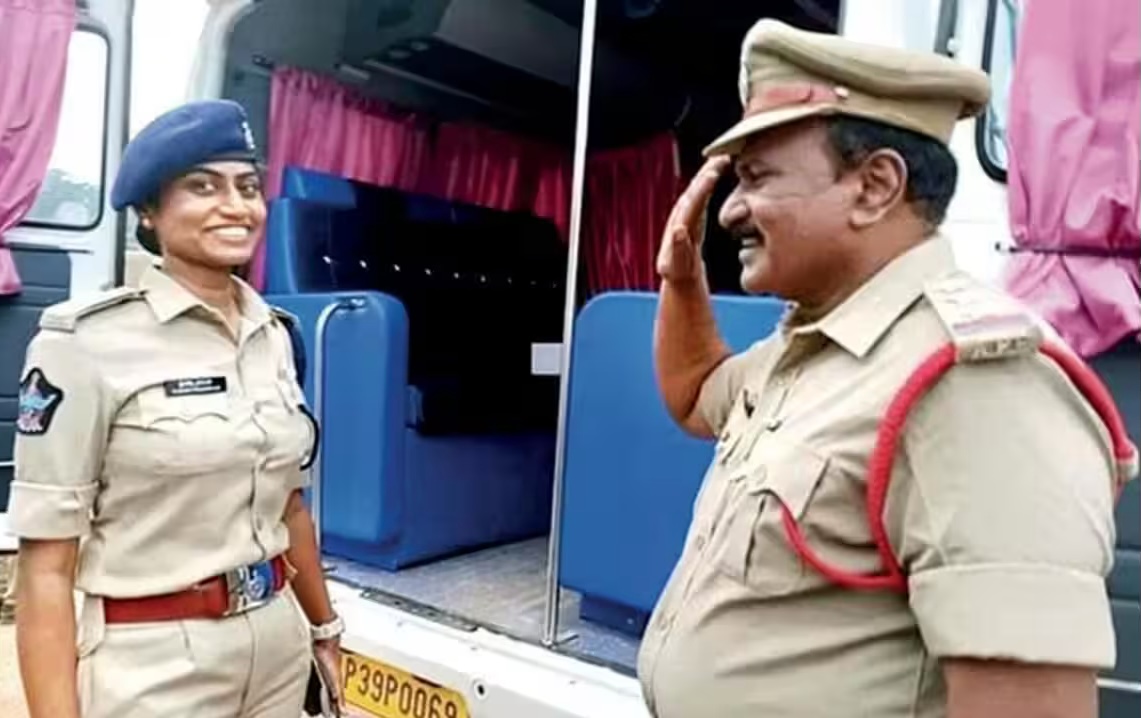
Why are men afraid of women’s freedom?
Men are not necessarily afraid of women’s freedom itself. Sometimes we are afraid of what women’s freedom asks us to reconsider about ourselves. It...
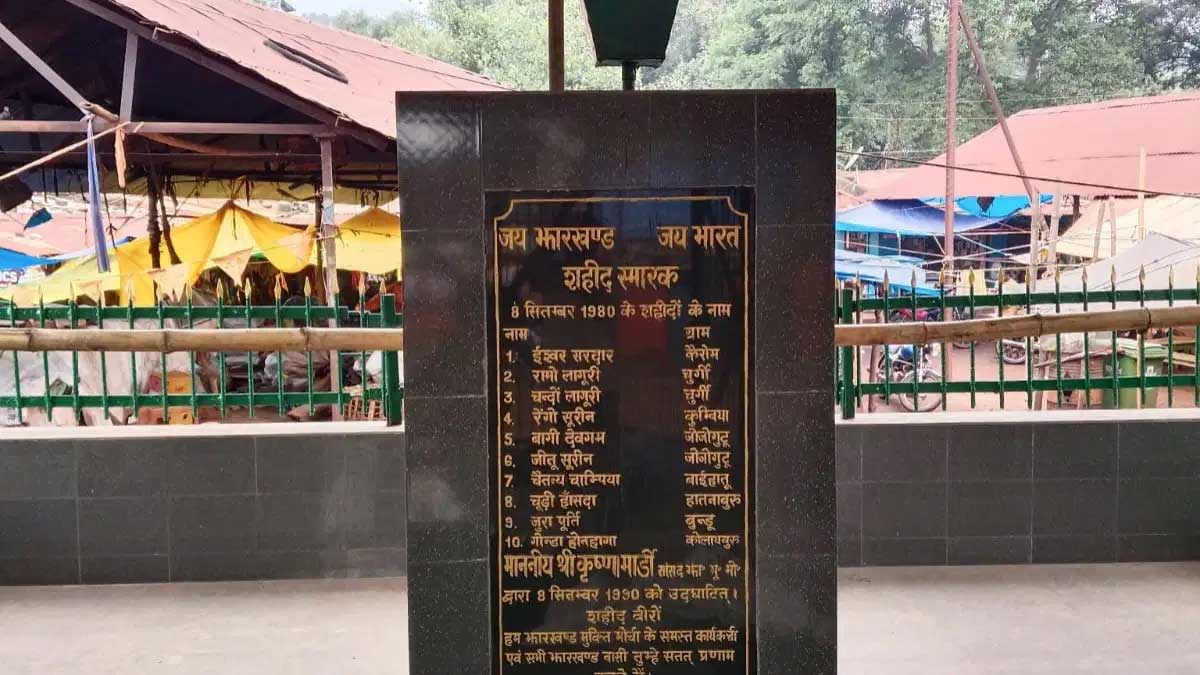
‘Sal versus Sagwan’ movement that led to Gua firing incident 46 years ago
Eleven Adivasis were brutally killed in Gua. Three of them were killed in the firing during a clash between the Adivasis and the police....
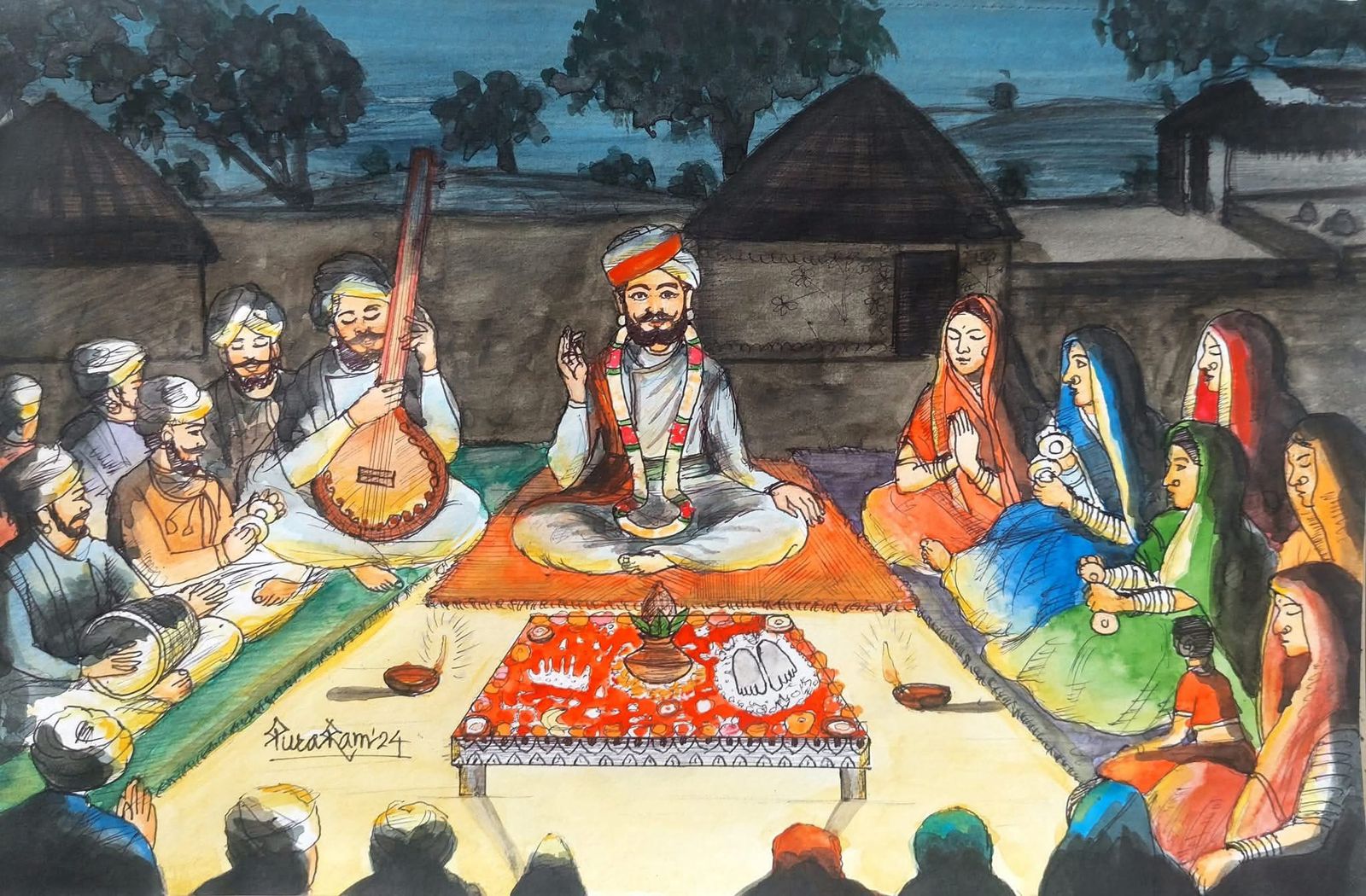
Unmistakably Dalitbahujan character of the Ramdev Pir Jatra
Held in the month of Bhadon, the ‘jatra’ (pilgrimage) is very different from the Kanwar Yatra. The pilgrims are disciplined – they don’t provoke...