e n

What was Ramswaroop Verma’s view on Ramcharitmanas and Ram?

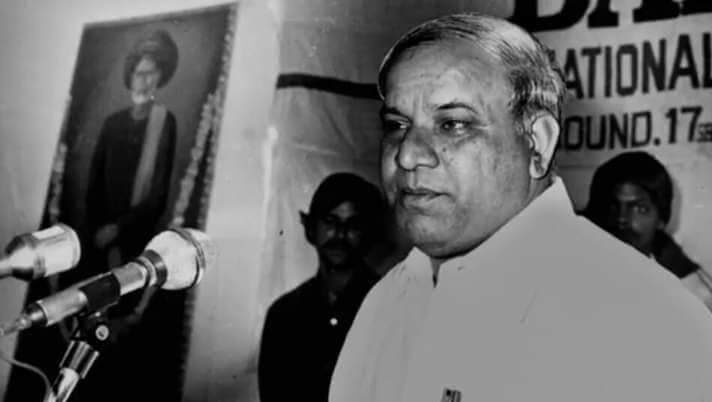
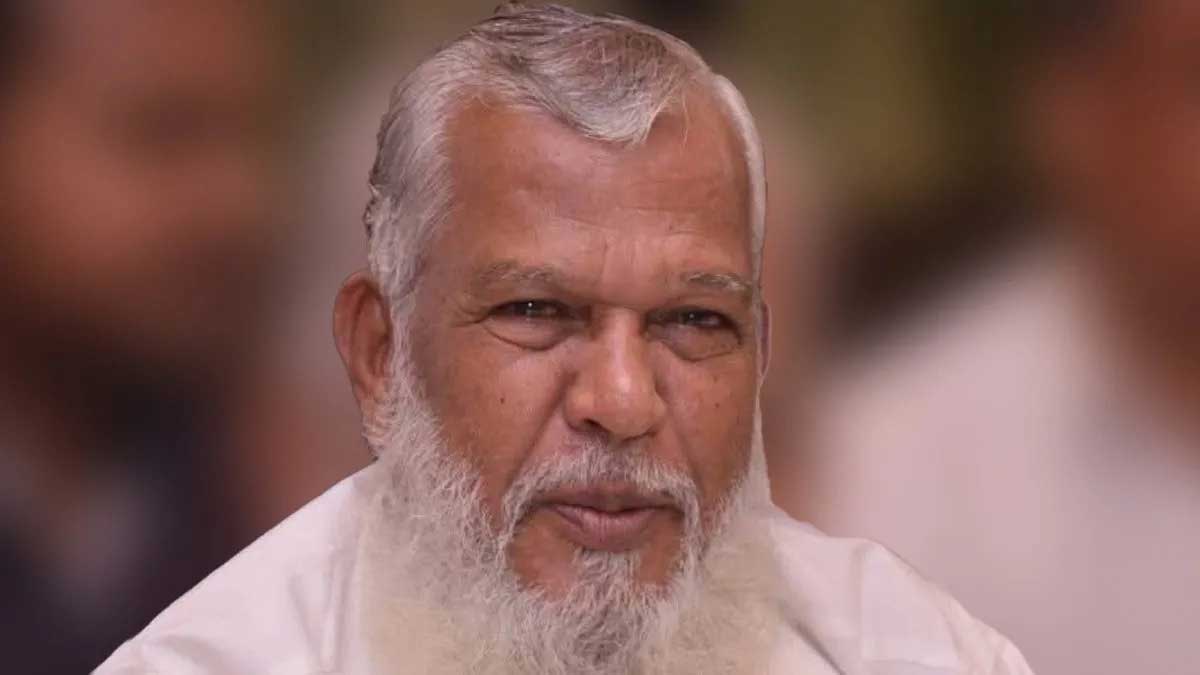
Arjak Sangh’s founder Mahamana Ramswaroop Verma had written to the then president V.V. Giri and prime minister Indira Gandhi opposing official celebrations to mark the 400th anniversary of the writing of Ramcharitmanas. He firmly believed that both Ram and Ramayan were crafted by the Brahmins to perpetuate their domination and to keep Dalitbahujans on a lower rung

Two streams of thinking have always existed in parallel in India – Dwij and Bahujan. Indians have had two mutually contradictory worldviews – brahmanical and Bahujan. Like on many other issues, the two have been at loggerheads on the issue of Ram and the epics telling the story of his life and times. 

Ram, the son of Dashrath, is the ideal of the Aryan-Dwij brahmanical tradition and two epics have been written on him – Valmiki’s Ramayan and Tulsidas’s Ramcharitmanas. Dwij scholars, writers and readers consider Ram as a hero par excellence and highly revere Ramayan and Ramcharitmanas. For the Bahujans, however, Ram and the two epics are brahmanical tools designed to legitimize and perpetuate the domination of the Brahmins. 

It is not without reason that almost all Bahujan heroes have commented on Ram and the story of his life and have concluded that Ram is neither a god, nor an ideal human or a religious personality. They also contend that the Ramayan and the Ramcharitmanas were written to underline the superiority of the Aryans and the Brahmins and to establish the domination of the Dwijs over the Bahujans. They are not religious scriptures like the Bible, the Quran or the Tripitakas.
READ THE FULL ARTICLE HERE: What was Ramswaroop Verma’s view on Ramcharitmanas and Ram?

About The Author

Dr Siddharth Ramu

Dr Siddharth Ramu is an author, journalist and translator. His books include ‘Samajik Kranti ki Yoddha Savitribai Phule: Jivan ke Vividh Aayam’ and ‘Bahujan Navjagran aur Pratirodh ke Vividh Swar: Bahujan Nayak aur Nayika’. He has translated Badrinarayan’s ‘Kanshiram: Leader of Dalits’ under the title ‘Bahujan Nayak Kanshiram’ (Rajkamal Prakashan). He has also edited and annotated Ambedkar’s ‘Jati ka Vinash’ (translated by Rajkishore, Forward Press)

Related Articles

Shabbir Ahmed Ansari: Harbinger of Pasmanda consciousness
Shabbir Ahmed Ansari’s life shows that social reform is not only about sloganeering. It is also about making use of constitutional and legal provisions...
Phule’s Sarvajanik Satyadharma in times of religious hatred
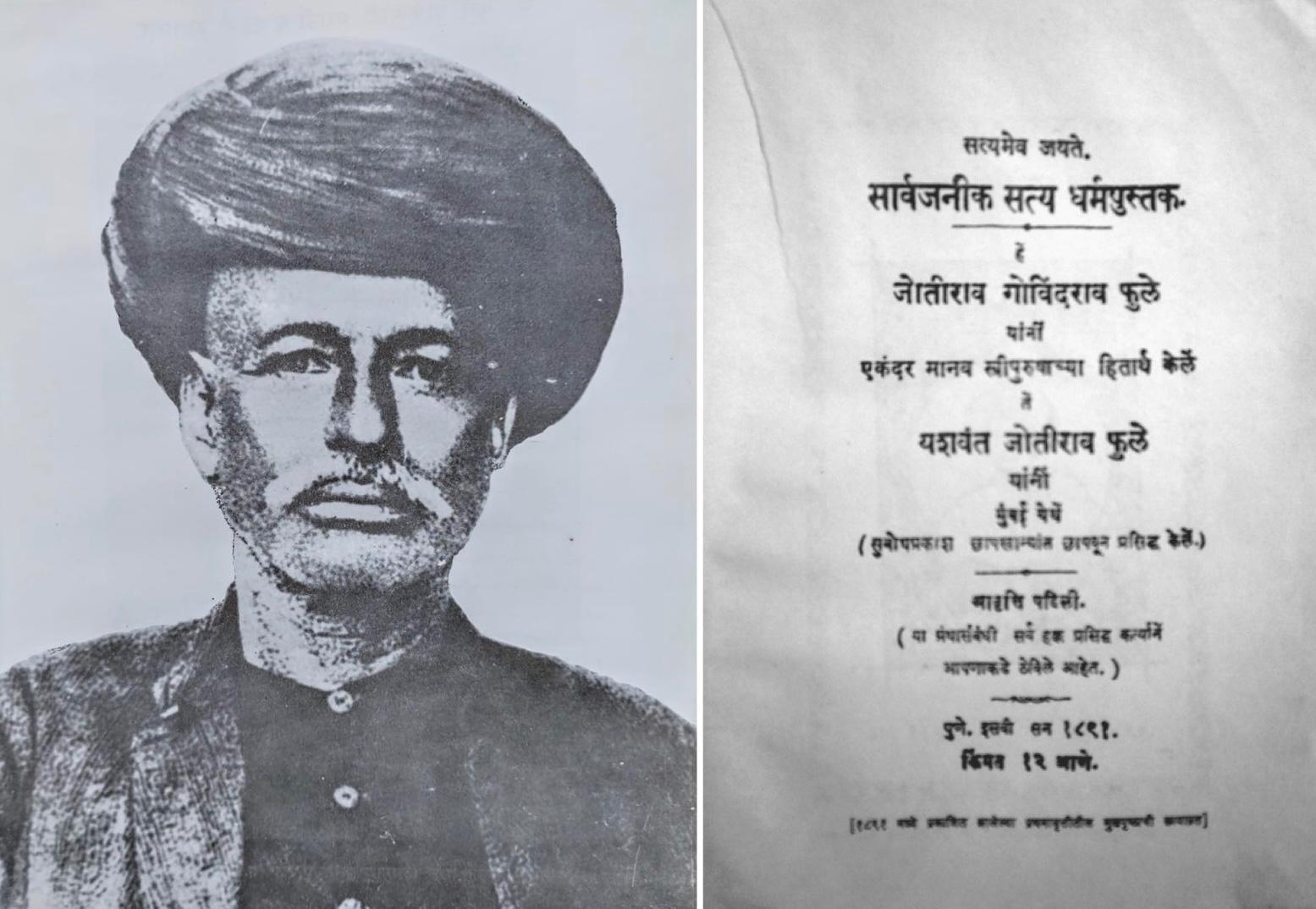
What is surprising is that references to how Phule saw Islam and Christianity are totally missing from the discourse even as communalism in general...
Discovering Babasaheb’s lost speeches in the West
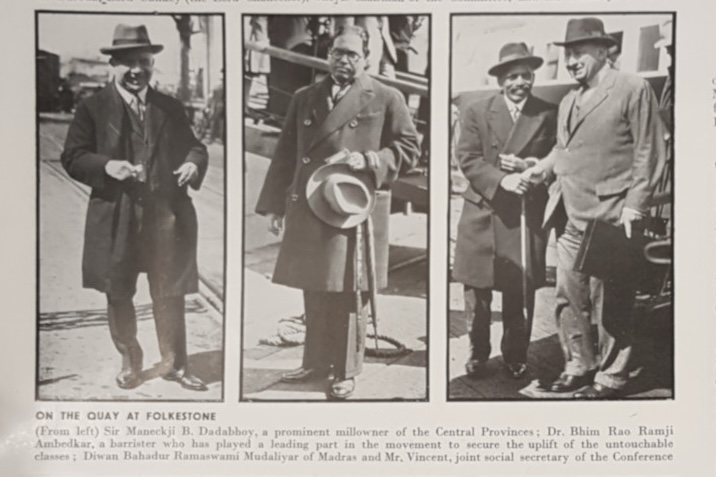
At the time of the Round Table Conferences, Dr Ambedkar had become a sought-after speaker in the UK, the US and Canada, as a...
Jotirao Phule’s ideology and literature
Phule challenged the traditional concept of literature. For him, literature was not only about aesthetics. It was a tool for ushering in social justice....
How Kanshi Ram’s slogans became the gospel for the masses
It is time we revived these slogans in our political spheres, in our social spaces and university corridors and connected with villages, bastis and...