e n

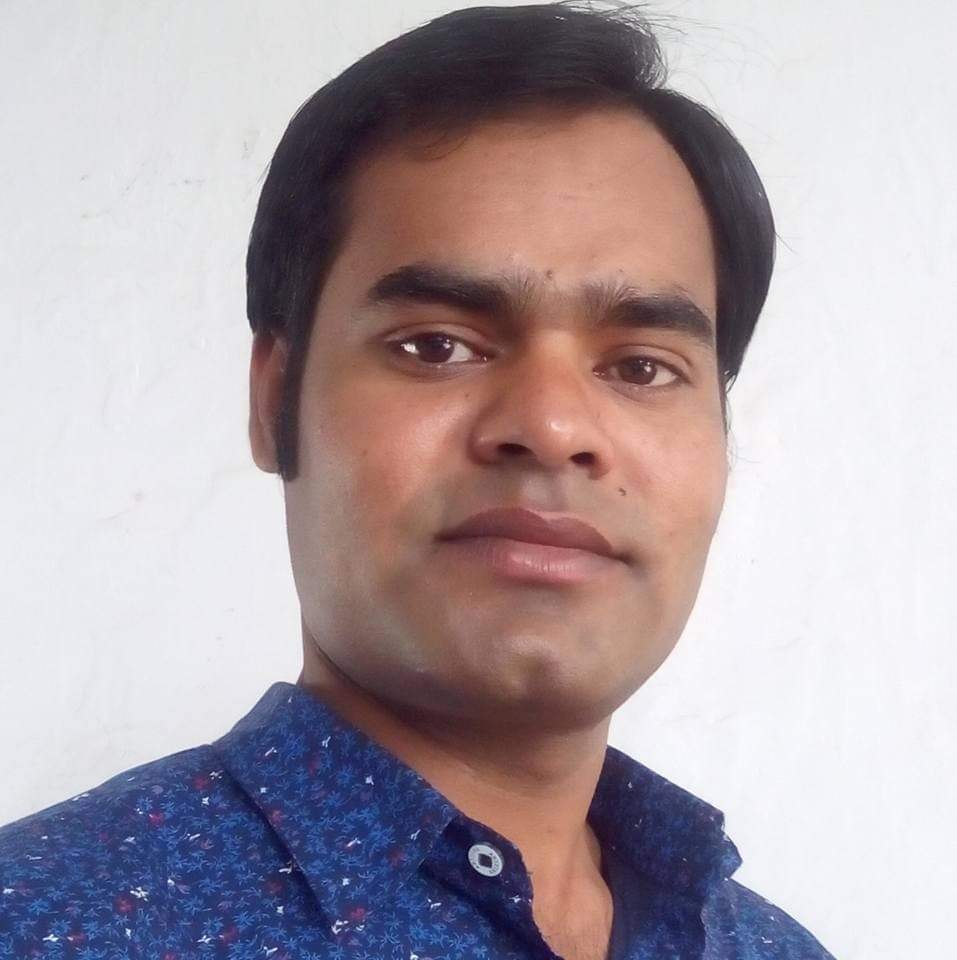
Sheoraj Singh Bechain’s short stories are infused with Dalit consciousness and struggle

Mobilization based on Varna and caste has pushed Dalits out of the social, political, economic and educational realms. Sheoraj Singh Bechain’s short stories depict the mobilization against the protagonists of the Varnashrama and caste system, writes Suresh Kumar

There can be little doubt that the caste system has contributed significantly to creating a tiny elite and to marginalizing the majority. The caste system and its implications for society have found expression in literature. Dalit Literature contends that even in the 21st century, the upper castes have not shed casteism. The Dalit litterateurs have used every intellectual tool in their possession to expose the monstrosities of the caste system. However, the question of caste was missing from the “Nai Kahani” movement, which was focused on the aspirations, the desires and the pains of the middle class. The credit for social mobilization against the caste system must largely go to Dalit Literature. This series dwells on short stories by leading Dalit writers which explore social discrimination and a casteist mindset. The first part looked at Om Prakash Valmiki’s short stories and the second at Mohandas Naimishray’s. Here Suresh Kumar turns his attention to Sheoraj Singh Bechain’s short stories:      


The works of author Sheoraj Singh “Bechain” are milestones in Hindi Dalit literature. At the heart of his short stories is the struggle of the Dalits against exploitation, poverty, lack of education, casteism and discrimination. Starting in the 1990s, Bechain, through his writings, has been pinpointing the exploitative forces that have deprived the Dalits of their social rights and pushed them to the margins. Bharose Ki Bahan (2010) and Meri Priya Kahaniyan (2019) are among his anthologies of short stories. Both these collections stand out for their advocacy of Dalit rights and entitlements.
READ THE FULL ARTICLE HERE: Sheoraj Singh Bechain’s short stories are infused with Dalit consciousness and struggle

About The Author

Suresh Kumar

Suresh Kumar has a PhD in Hindi Literature from Banaras Hindu University. His writings have been published in various prestigious newspapers and magazines.

Related Articles

Why Meera was forced to say that no one understood her anguish
With her husband no more and remarriage appearing impossible, the woman in Meera became articulate. Before considering any other aspects of her, Meera should...
Mangu Ram Mugowalia, Ad Dharm movement and the rise of the Ravidass Panth
Although Guru Ravidass was already a revered figure among the Untouchable community of Punjab, it was the Ad Dharm movement that used images of...
Revisiting Meera and Raidas: Who was Girdhar Nagar?
Meera shedding social inhibitions was not about quitting royal life and embracing a spartan existence; it was about a widow being drawn to a...
Shabbir Ahmed Ansari: Harbinger of Pasmanda consciousness
Shabbir Ahmed Ansari’s life shows that social reform is not only about sloganeering. It is also about making use of constitutional and legal provisions...
Phule’s Sarvajanik Satyadharma in times of religious hatred
What is surprising is that references to how Phule saw Islam and Christianity are totally missing from the discourse even as communalism in general...