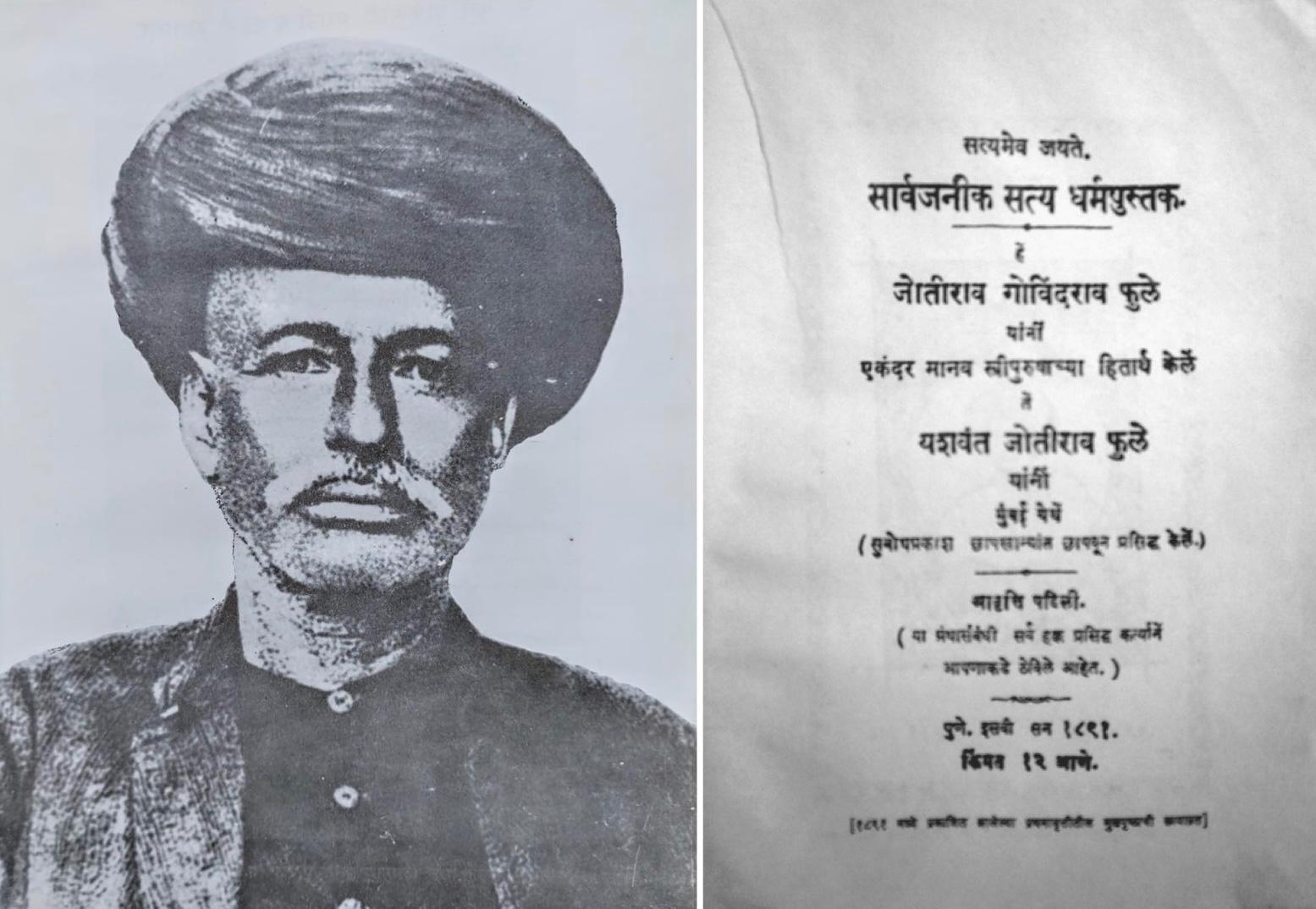
Kanshi teri nek kamai, toone soti quam jagai
(Kanshi Ram’s noble accomplishment was to awaken a slumbering people)
In every human civilizational struggle, slogans have been an effective means of awakening mass consciousness. Just a handful of words that speak to a million hearts and bring them together. They travel from pamphlets and rallies to houses and villages and from streets to the farthest corners of a country.
Manyavar Kanshi Ram had the knack of mobilizing the masses with slogans, bringing everyone on the same page and breathing life into the movement. The Phule-Ambedkar mission acquired a sense of purpose and made the most deprived, the harassed, the victims of the caste system believe that they could one day become the Hukmaran (the ruler) of the country. Beyond the immediate purpose the slogans served, they became a blueprint for the Bahujan movements to come.
Kanshi Ram created a new language in Indian politics that exposed the false majority of Hindu nationalism facilitated by Gandhi. Kanshi Ram understood the threat of communal majority to a nation, for Dr Ambedkar had written years earlier in Thoughts on Linguistic States: “People who rely upon majority rule forget the fact that majorities are of two sorts : (1) Communal majority and (2) Political majority. A political majority is changeable in its class composition. A political majority grows. A communal majority is born. The admission to a political majority is open. The door to a communal majority is closed. The politics of a political majority are free to all to make and unmake. The politics of a communal majority are made by its own members born in it. How can a communal majority run away with the title deeds given to a political majority to rule? To give such title deeds to a communal majority is to establish a hereditary Government and make the way open to the tyranny of that majority. This tyranny of the communal majority is not an idle dream. It is an experience of many minorities.”
Kanshi Ram had in hand the massive task of creating a political majority which could counter this communal majority, which he articulated in his vision for a Bahujan Samaj. It was almost impossible to create a political majority out of thousands of castes and sub-castes, who do not share any corporate sentiment or a common purpose. However, Kanshi Ram made it happen in Uttar Pradesh, the first laboratory of communal majority.
His formula was N*D*S=C (Need into Desire into Strength=Change). The need was already there unserved for centuries; the desire had been created by the provisions in the Constitution whose drafting Ambedkar had overseen and the struggles of the Untouchables he had led, as well as the struggles of the Shudras and Adivasis both before and after Independence in different parts of the country. For strength, Kanshi Ram asked for three Ts from the beneficiaries of the Phule-Ambedkarite movement – Time, Treasure and Talent. He would say in his cadre camps that at least one of the Ts should be volunteered by the middle class that has been created as a result of the Phule-Ambedkite Movement.
His profound slogans played a decisive role in awakening the chetana (political consciousness) in the Dalit, Shoshit (exploited) Samaj.
In the First World Dalit Convention that was held in Malaysia in 1998, Manyavar Kanshi Ram said: “… I know fully well that there are 45 lakh hectares of land under plough and more than that land is available in India which can be brought under plough but nobody has given that land to us and nobody will give. Why? Because of Brahmanical social order in India. For that reason only they have created the caste. That there should be some castes who possess land and there should be other castes who should plough the land. In the interests of those people who are the victims of the caste system we must do something, something which can do the needful for them.”
The community began to realize that if they wanted to rid themselves of the degraded caste occupations imposed upon them and stop living at the mercy of landowning castes, they needed land of their own. They understood that no one would hand it to them; it was upon them to claim it.
While addressing a cadre camp, Kanshi Ram said:
“I gave a slogan to the toiling, landless masses of the Scheduled Castes in North India: ‘Jo Zameen Sarkari Hai, Wo Zameen Hamari Hai’. We kept asserting this slogan until we formed the government in Uttar Pradesh.”
Later, when the government was formed in Uttar Pradesh under Mayawati, the slogan became the state’s slogan. Nearly seven lakh acres of land had been allotted to Scheduled Castes on paper by previous governments. What Mayawati did — as Kanshi Ram emphasised in that speech — was to ensure its actual distribution on the ground. She issued strict instructions to district collectors to swiftly dispose of pending land allotments in favour of Scheduled Caste communities. In effect, the movement’s slogan became the working slogan of the administration: “Jo Zameen Sarkari Hai, Wo Zameen Tumhari Hai”. Kanshi Ram had said to Mayawati that she had to do the work of 6 years in 6 months.
“Vote se lenge CM-PM, Arakashan se lenge SP-DM” (We will use votes to become CM and PM and use reservation to become SP and DM.) The slogan was basically what Dr Ambedkar articulated in his SCF manifesto: “The Constitution of Free India has made the Backward Classes, the Scheduled Tribes and the Scheduled Castes virtually the masters of the country.” Kanshi Ram saw it as a weapon waiting to be used. He understood that if the Bahujan truly acted as a political majority, they would cease to be victims and become masters. If “Jo Zameen Sarkari Hai, Wo Zameen Hamari Hai” reclaimed economic dignity, then “Vote se lenge CM-PM, Arakshan se lenge SP-DM” exhorted the Bahujan to capture State power. Through the ballot, Kanshi Ram urged the Bahujan to secure political leadership; through reservation, to enter the administrative machinery. The prime minister and chief minister make policies and decisions, while the SP and DM implement and enforce them on the ground. The slogan became the doctrine for the masses for their upliftment under the constitution framework.
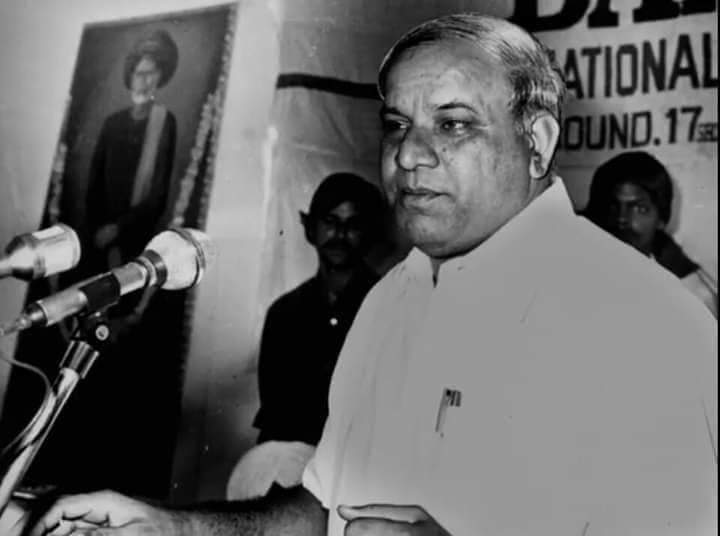
Another similar slogan was “Jiski Jitni Sankhya Bhari, Uski Utni Hissedari” (those who are more in number must have a proportionate share – in governance, employment, education and resources).
Kanshi Ram raised a banner against liquor consumption which, as Dr Ambedkar said in the Scheduled Castes Federation (SCF) Manifesto, “It [liquor] has produced more crime and is the worst soil of demoralization of the lower classes.” He gave the slogan, “Savarno ke basti mein school aur davakhane, Dalito ke basti mein sharabkhane — nahi chalega, nahi chalega” (“schools and hospitals in upper-caste localities, liquor shops in Dalit localities — this will not be tolerated, this will not be allowed”).
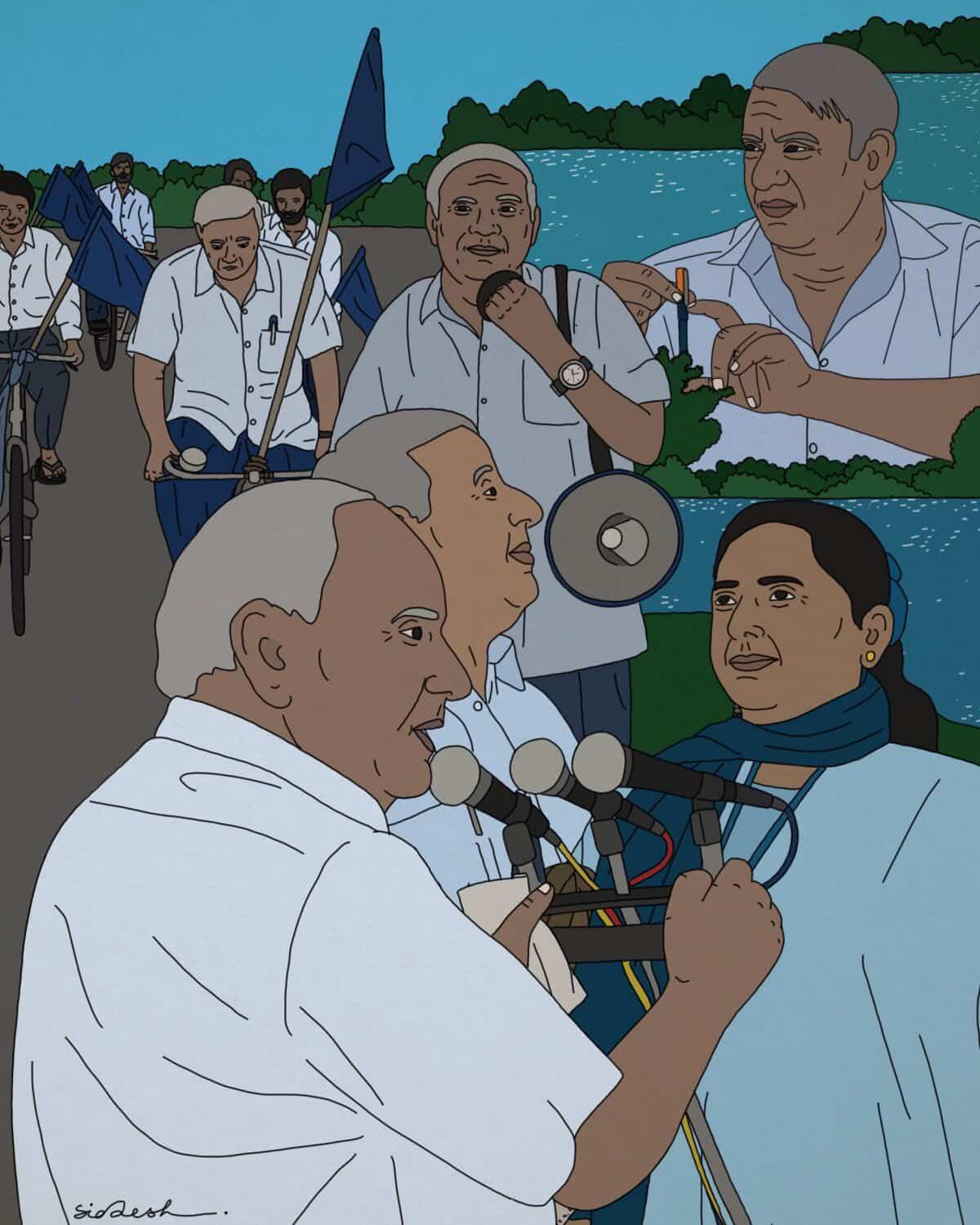
Dalit Shoshit Samaj Sangharsh Samiti (DS4), the predecessor of the Bahujan Samaj Party (BSP), had also campaigned against this structural violence by taking out cycle yatras in Scheduled Caste hamlets to curb the evil of alcohol abuse and to prevent the opening of liquor shops in these localities. Kanshi Ram received a great deal of support from Scheduled Caste women for this initiative.
One of Kanshi Ram’s frequent reminders in his speeches was: “Humein lene nahi, dene wala samaj banna hai” (We must become a giving society, not a taking one.)
A giving society is a ruling society. For centuries, the Bahujan had been pushed into a position where they were forced to demand rights, seek concessions, and struggle merely for survival. Kanshi Ram wanted to reverse that condition. He did not want a community that survives on appeals; he envisioned a society that produces, governs, and gives direction.
To him, power was not only about securing a share in the State, but about becoming capable of shaping the State itself.
It is time we revived these slogans in our political spheres, in our social spaces and university corridors and connected with villages, bastis and working-class neighbourhoods. Kanshi Ram’s slogans remind us that politics must be spoken in a language that awakens and organizes the masses and provides them a blueprint to start their own movements.