e n

Chedi Lal Sathi: Bahujans’ ideological warrior

Dr Chedi Lal Sathi was the chairman of the first Uttar Pradesh Backward Classes Commission. After the passing of Bodhanand and Shivdayal Chauraria, he emerged as the most tenacious fighter for the rights of the Bahujans. Kanwal Bharti remembers his life and works

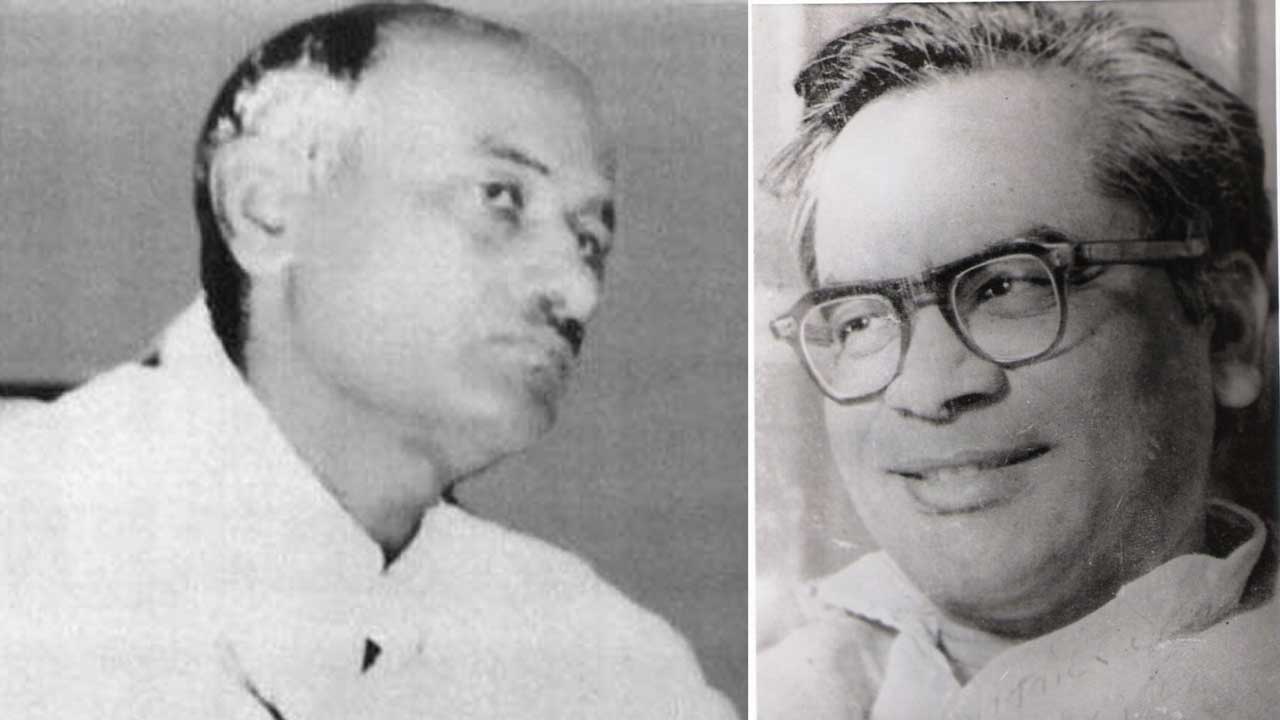
Chedi Lal Sathi is remembered, first, as the chairman of the first Backward Classes Commission constituted by the Uttar Pradesh government and, second, as the one who succeeded Bodhanand and Shivdayal Chaurasia as the most tenacious fighter for the rights of the Bahujans.

I first heard about him in my hometown Rampur from poet Raghuveersharan Diwakar Rahi. He had mentioned Sathi in his book Ateet Ki Batein. One of Diwakar Rahi’s couplets, used in the film Sharabi, had become very famous: “Aaj to utnee bhi mayassar nahi maykhane mein, jitne hum chhod diya karte the paimane mein.” At the time (1994-98), I used to live in a house on the premises of the government hostel in Roshan Bagh, just behind his palatial home, in Rampur. I would meet him often. On Sundays, he usually came to my place, while on other days, I used to visit him. One day, when I went to meet him, I saw a wheatish-complexioned lean man sitting beside him. The stranger was wearing thick glasses with a black frame. Diwakar was also a well-known lawyer and he often had visitors. As everyone in his house knew me, I used to walk into his drawing room without asking anyone.

READ THE FULL ARTICLE HERE: Chedi Lal Sathi: Bahujans’ ideological warrior


About The Author

Kanwal bharti

Kanwal Bharti (born February 1953) is a progressive Ambedkarite thinker and one of the most talked-about and active contemporary writers. Dalit Sahitya Kee Avdharna and Swami Achootanand Harihar Sanchayita are his key books. He was conferred with Dr Ambedkar Rashtriya Award in 1996 and Bhimratna Puraskar in 2001

Related Articles

Discovering young Ambedkar’s Indo-US trade petition
‘We, the representatives of India and members of the Indian Society for the Promotion of Commerce, request to the high-intelligence of the officers of...
Beyond Sacrifice: Reflections on the multifaceted life of Ramai
Was Ramabai just a dutiful housewife of Babasaheb, or was she an active co-emancipator who, like Babasaheb, envisioned a society free from man-made divisions...
Dr Ambedkar’s interactions with Indian scientists of his era
In my limited research, I found documented evidence of at least four leading Indian scientists who had interactions with Dr B.R. Ambedkar. They were...
‘Lo Bir Sendra’ reveals yet more facets of the multifaceted Jaipal Singh Munda
In his recently republished memoir, Jaipal Singh recalls founding labour unions in the Gorumasahini and Badampahar iron-ore mines (in then Orissa) of the Tatas....
How Ambedkar led deeksha ceremonies in Nagpur and Chandrapur despite ill health, and Bombay was to follow
Why did Babasaheb Ambedkar sacrifice his valuable health to write the books? Why did he take on a mission to embrace Buddhism through multiple...