e n

Saint Ayyankali: The harbinger of a social revolution

Om Prakash Kashyap writes how Saint Ayyankali forged the unity of Dalit castes of Kerala against all odds and helped them grow politically, educationally and socially

AYYANKALI (28 AUGUST 1863 – 18 JUNE 1941)

I have read the history of many a civilization,

I have rummaged through the history of the country and the state,

But nowhere could I find anything about my caste,

There is no wielder of pen on this earth,

Who would write the history of my caste,

My caste – which has been consigned to the netherworld,

My caste – which has been lost in the uncharted depths of history

Poykayil Yohannan, Malayalam poet

History may hold a mirror up to a civilization but it only captures the surface at best. That is why history encapsulates only the stories of the opulence of the kings and queens, the battles between the rulers, and the tales of loyalty and cowardice, strategies and statecraft and conspiracies and back-stabbings. History is unconcerned with the beads of sweat on the forehead of the farmers and the labourers, whose toil not only filled the coffers of the kings and the emperors but also ensured that the faces of their ministers and lieutenants were always beaming with joy. Tales of the gods and his prophets also creep into it and are preserved. But oppression in the name of caste and religion somehow escapes its notice. Invariably, it is the people at the very bottom of the social pyramid who are the victims of this oppression. No wonder, historian Eric Hobsbawm suggests that we should remember history only through the questions we can raise about it. “In a form which we historians believe in – as an objective truth, which can be tested through questions – just the way we want to test it.”  

READ THE FULL ARTICLE HERE: Saint Ayyankali: The harbinger of a social revolution
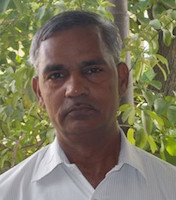


About The Author

Omprakash Kashyap

Born in a village of Bulandshahr district, Uttar Pradesh, on 15 January, 1959, Om Prakash Kashyap is a truth-seeking author and thinker. Both while in government service and post retirement, he has published prolifically across genres – novels, short stories, children's literature, poetry, plays. Among his more than fifty titles are 'Periyar E.V. Ramasamy : Bharat ke Voltaire', 'Bharatiya Chintan ki Bahujan Parampara', 'Periyar Sanchayan', 'Samajwadi Andolan ki Prishtbhoomi', 'Samajwadi Andolan ke Vividh Aaayam', 'Parikathayen va Vigyan Lekhan', 'Bachpan aur Bal Sahitya ke Sarokar', 'Kalyan Rajya ka Swapn aur Manavadhikar ke Sawal', 'Farishte' (collection of short stories), 'Jaharbad' (novel), 'Pul kaha nahi hai' (collection of plays). He has been honoured by Hindi Academy, Delhi; Uttar Pradesh Hindi Sansthan; and Santram BA Foundation, Shahjahanpur for his outstanding literary contributions.

Related Articles

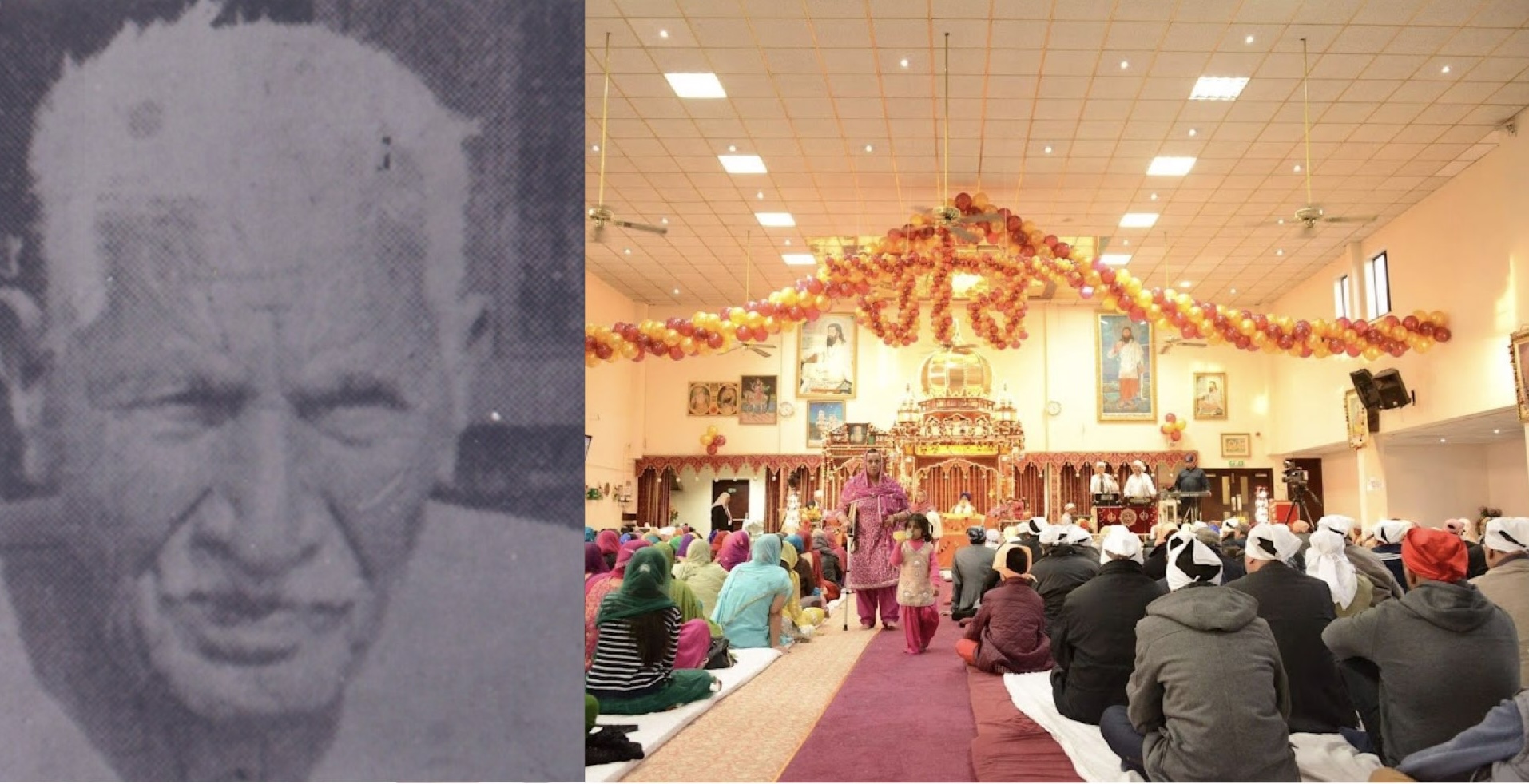
Mangu Ram Mugowalia, Ad Dharm movement and the rise of the Ravidass Panth
Although Guru Ravidass was already a revered figure among the Untouchable community of Punjab, it was the Ad Dharm movement that used images of...
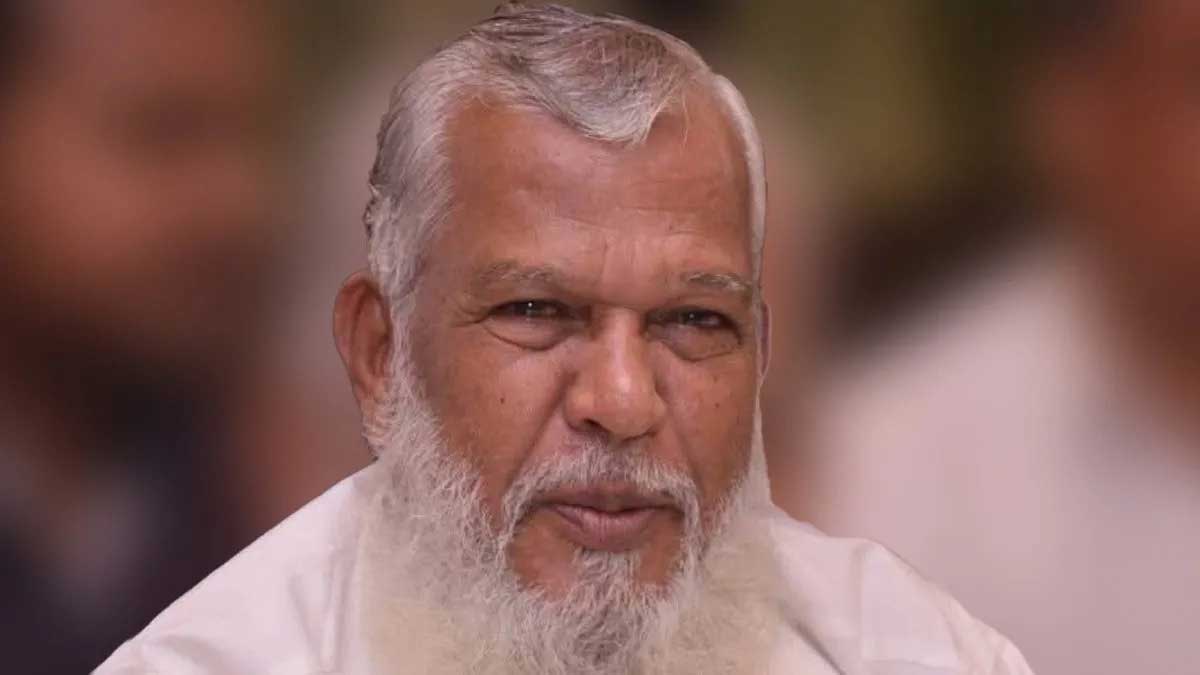
Shabbir Ahmed Ansari: Harbinger of Pasmanda consciousness
Shabbir Ahmed Ansari’s life shows that social reform is not only about sloganeering. It is also about making use of constitutional and legal provisions...
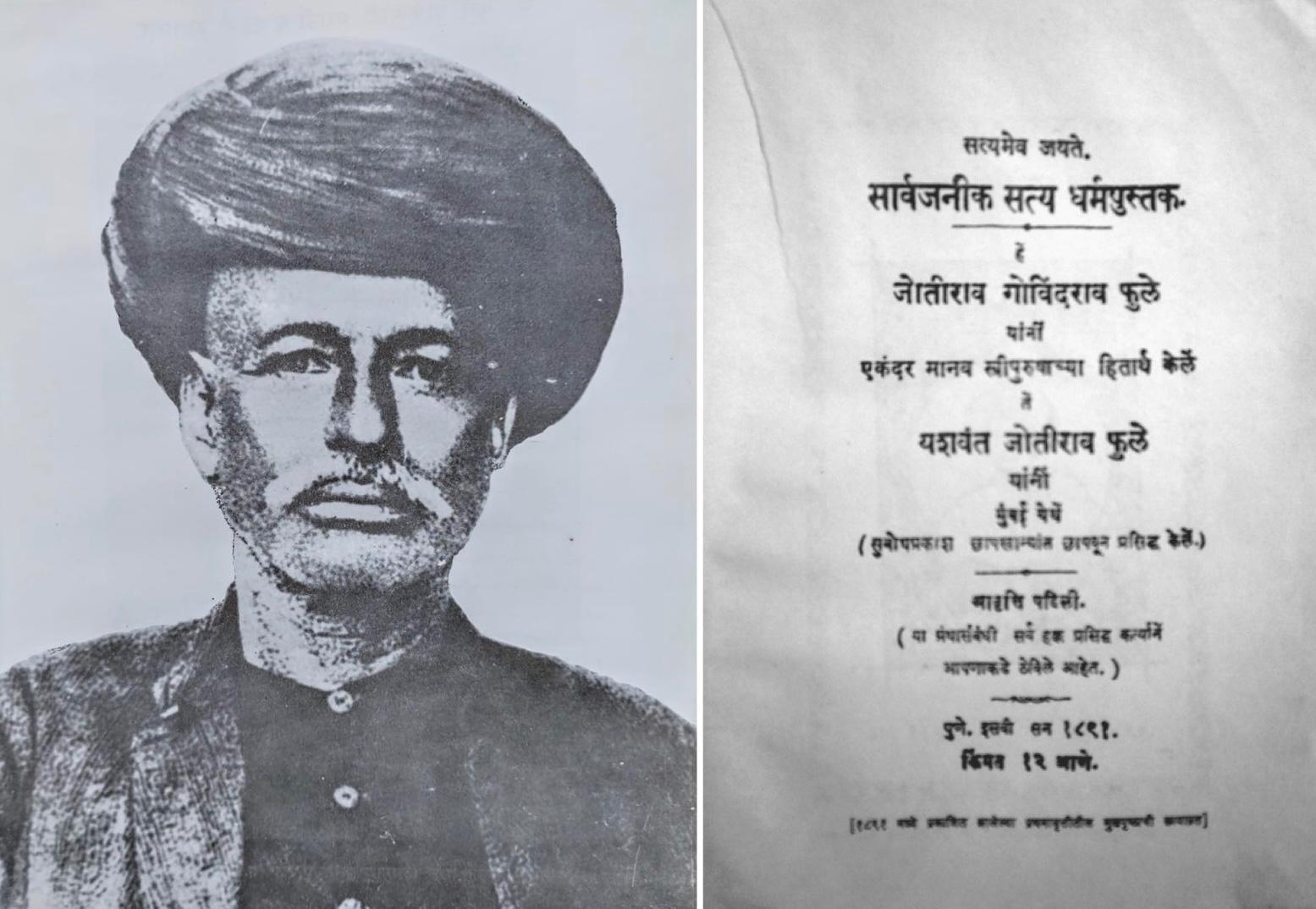
Phule’s Sarvajanik Satyadharma in times of religious hatred
What is surprising is that references to how Phule saw Islam and Christianity are totally missing from the discourse even as communalism in general...
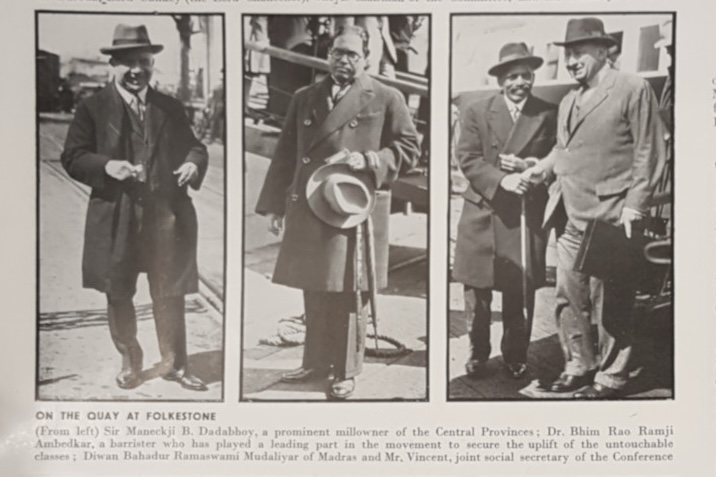
Discovering Babasaheb’s lost speeches in the West
At the time of the Round Table Conferences, Dr Ambedkar had become a sought-after speaker in the UK, the US and Canada, as a...
Jotirao Phule’s ideology and literature
Phule challenged the traditional concept of literature. For him, literature was not only about aesthetics. It was a tool for ushering in social justice....