e n

Both Ambedkar and Bhagat Singh dreamt of an egalitarian India

Supporting more rights and a separate electorate for the Untouchables, Bhagat Singh wrote, “We regard their recent uniting to form their distinct identity, and also demanding representation equal to Muslims in legislatures, being equal to them in number, is a move in the right direction.”

Bhagat Singh, all of 23, and his associates Rajguru and Sukhdev were hanged by the British colonists on 23 March 1931. Three years before his hanging, in June 1928, Bhagat Singh’s article appeared in a newspaper called Kirti under the penname “Vidrohi”. That article, subsequently, was republished under the title “Achhoot Samasya”. The contents of the piece indicate that ideologically, Dr Ambedkar and Bhagat Singh had meeting points.

READ THE FULL ARTICLE HERE: Both Ambedkar and Bhagat Singh dreamt of an egalitarian India

About The Author

Bhanwar Meghwanshi

Author, journalist and socio-cultural activist Bhanwar Meghwanshi is the editor of Shunyakal.com. His autobiography ‘Main ek Karsewak tha' is about his early days as a Rashtriya Swayamsevak Sangh (RSS) worker and how he left the organization and became its staunch critic. The English translation of the book was published recently under the title ‘I Could not be Hindu’.
Related Articles

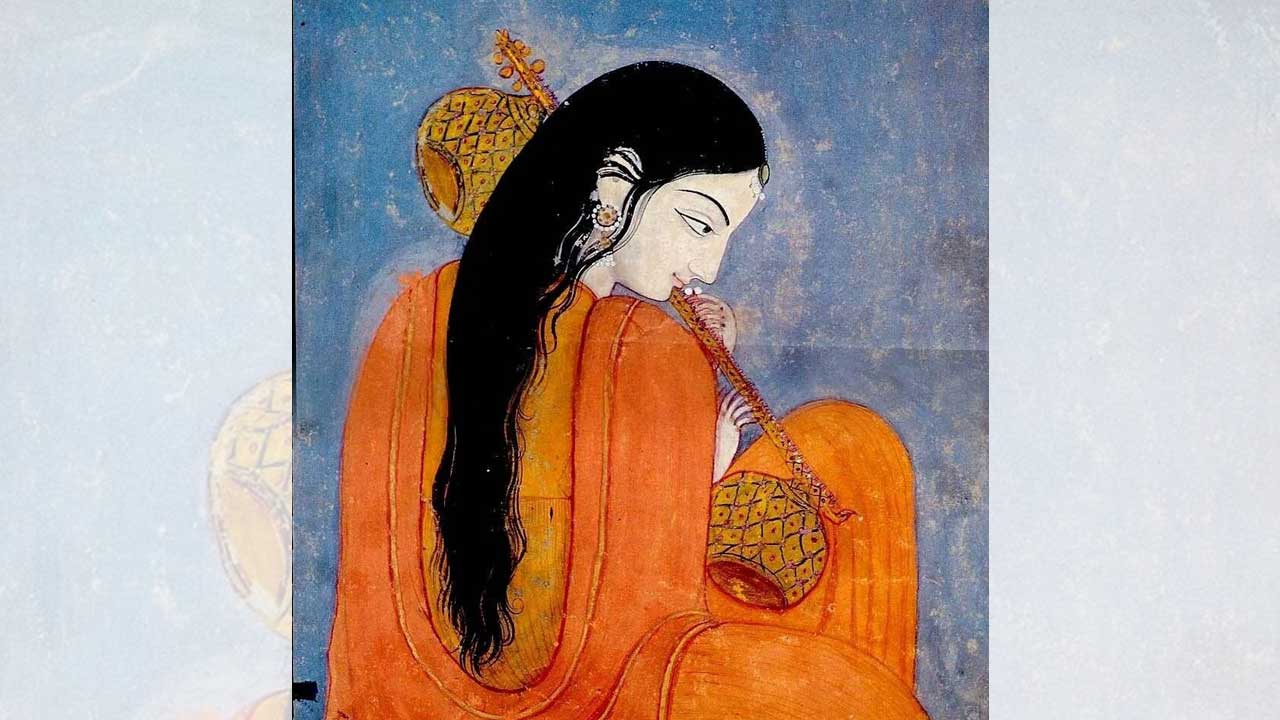
Why Meera was forced to say that no one understood her anguish
With her husband no more and remarriage appearing impossible, the woman in Meera became articulate. Before considering any other aspects of her, Meera should...
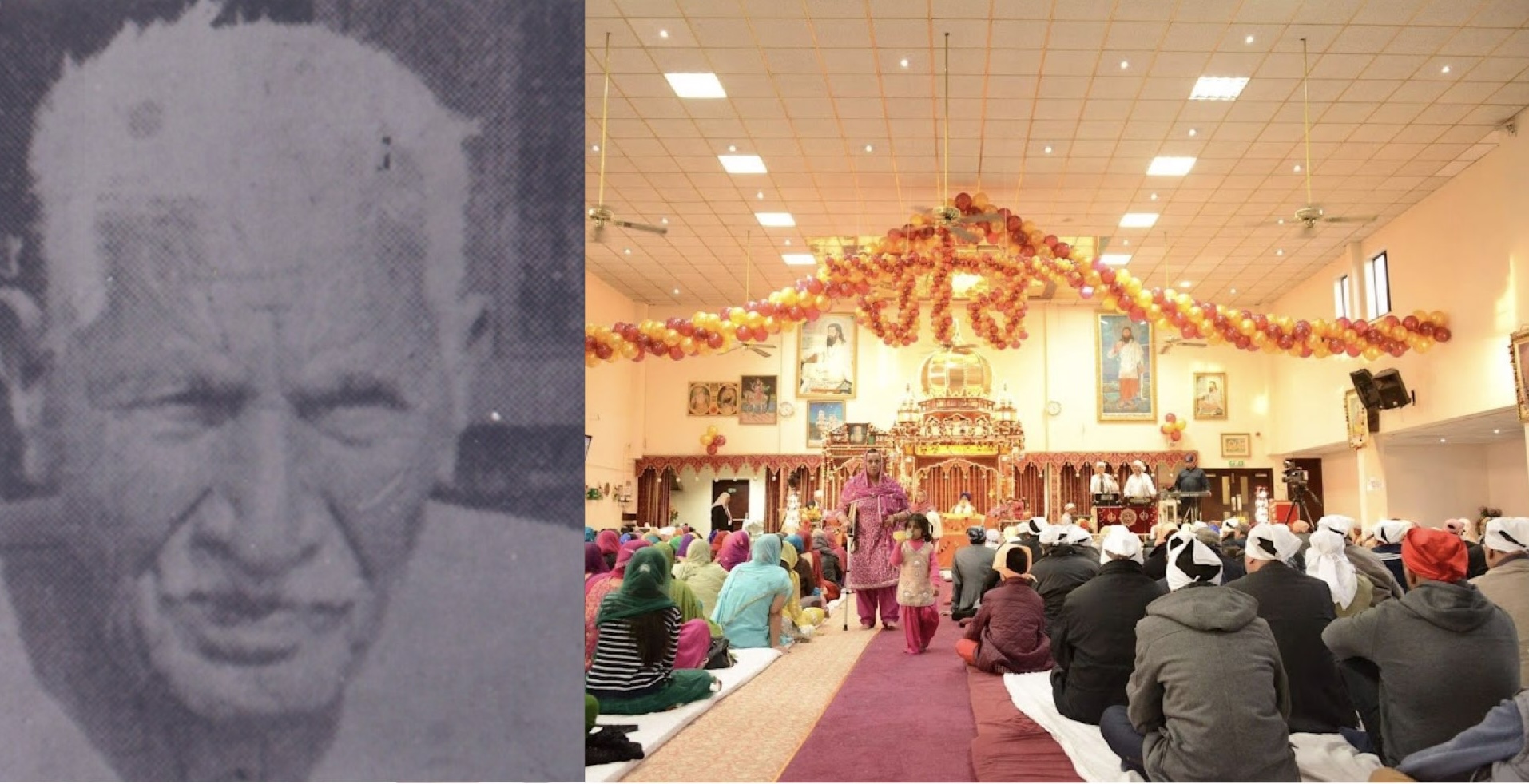
Mangu Ram Mugowalia, Ad Dharm movement and the rise of the Ravidass Panth
Although Guru Ravidass was already a revered figure among the Untouchable community of Punjab, it was the Ad Dharm movement that used images of...
Revisiting Meera and Raidas: Who was Girdhar Nagar?
Meera shedding social inhibitions was not about quitting royal life and embracing a spartan existence; it was about a widow being drawn to a...
Shabbir Ahmed Ansari: Harbinger of Pasmanda consciousness
Shabbir Ahmed Ansari’s life shows that social reform is not only about sloganeering. It is also about making use of constitutional and legal provisions...
Phule’s Sarvajanik Satyadharma in times of religious hatred
What is surprising is that references to how Phule saw Islam and Christianity are totally missing from the discourse even as communalism in general...