e n

Looking back at Rajendra Yadav’s scathing editorials

Negating the maxim of Satyamev Jayate, Yadav wrote in January 1996, “If truth alone triumphs, the Turks, the Mughals and the British defeated us, so was truth with them? It must have been. Otherwise, how could they have triumphed?” Kanwal Bharti looks back at Rajendra Yadav’s editorials for ‘Hans’

My perspective is that of an alert reader who used to read the editorials of Rajendra Yadav. And this alert reader’s aesthetics is not the aesthetics of Hindi literature but that of Dalit Literature. That is the reason he finds himself in conflict with saffronism, progressivism and Marxism. Rajendra Yadav had a dislike for saffronism and I am no different. Yadav, however, agreed with progressivism and Marxism on many issues but I don’t. To my mind, the ‘Brahmin factor’ is common to all these three isms. Brahmins dominate all of them. The saffron Brahmin, the progressive Brahmin and the socialist (or Marxist) Brahmin oppose each other, as a consequence of which saffronism has been gaining strength by the day. We can witness here what Kabir described as “Jhoothe ke ghar jhootha aaya” (A liar visits a liar’s place). The three Brahmins rebut each other but behind the curtains, they are one. Only two people could catch the Brahmins out on the shrewd games they played – Kabir in the 15th century and Ambedkar in the 20th. Both refused to accept Brahmins as intellectuals and disavowed their intellectual leadership.

READ THE FULL ARTICLE HERE: Looking back at Rajendra Yadav’s scathing editorials

About The Author

Kanwal bharti

Kanwal Bharti (born February 1953) is a progressive Ambedkarite thinker and one of the most talked-about and active contemporary writers. Dalit Sahitya Kee Avdharna and Swami Achootanand Harihar Sanchayita are his key books. He was conferred with Dr Ambedkar Rashtriya Award in 1996 and Bhimratna Puraskar in 2001

Related Articles

Gender, displacement and minorities: A critical review of Hansda Sowvendra Shekhar’s ‘The Adivasi Will Not Dance’
As an Adivasi, the author is justified in highlighting the distinct traditions and values of the Adivasi community, but progressive politics places on him...
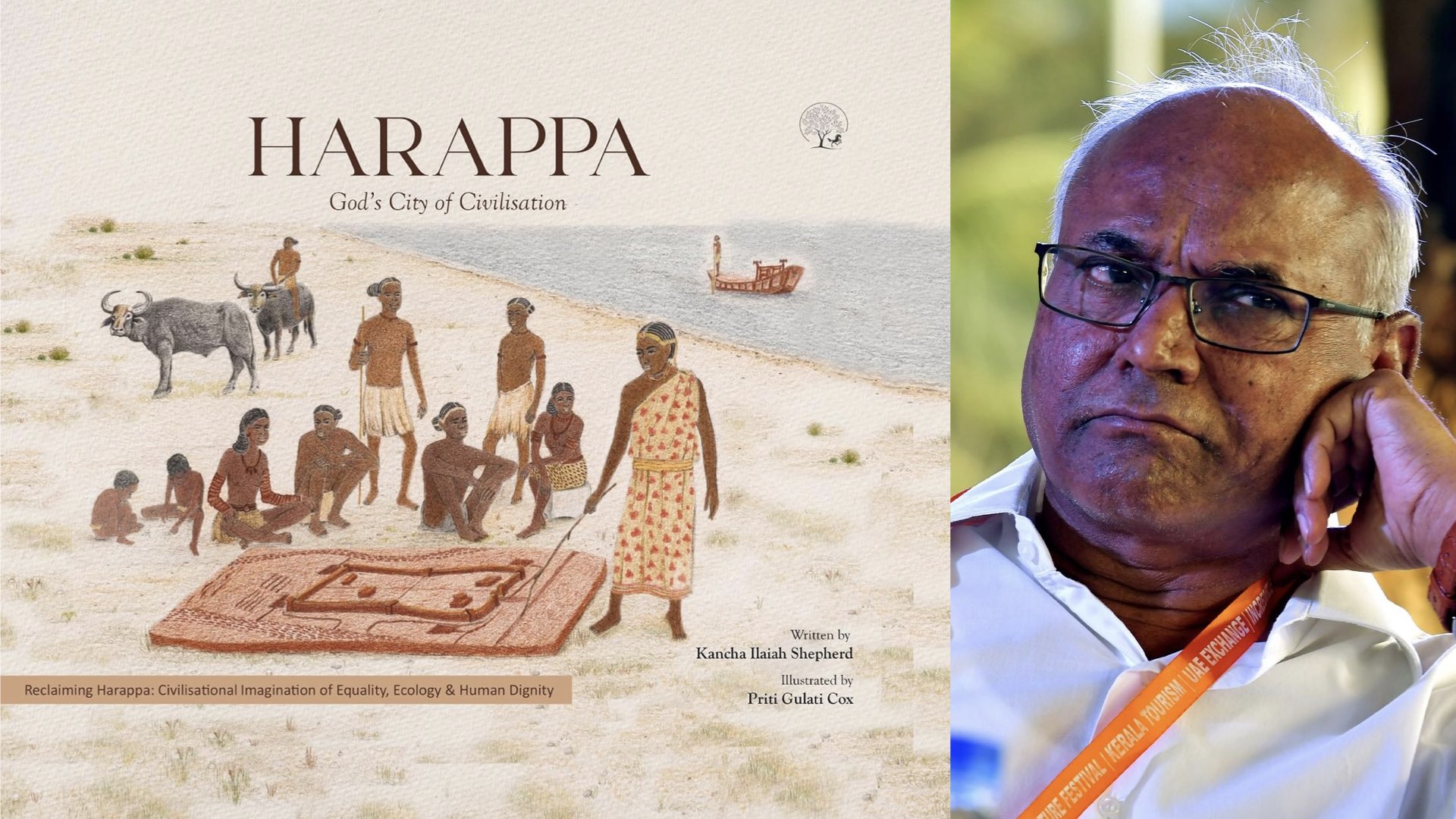
Review: Kancha Ilaiah Shepherd’s ‘Harappa: God’s City of Civilisation’
Kancha Ilaiah Shepherd’s first foray into fiction is a courageous declaration that the oppressed, too, have the right to imagine, narrate and reclaim their...
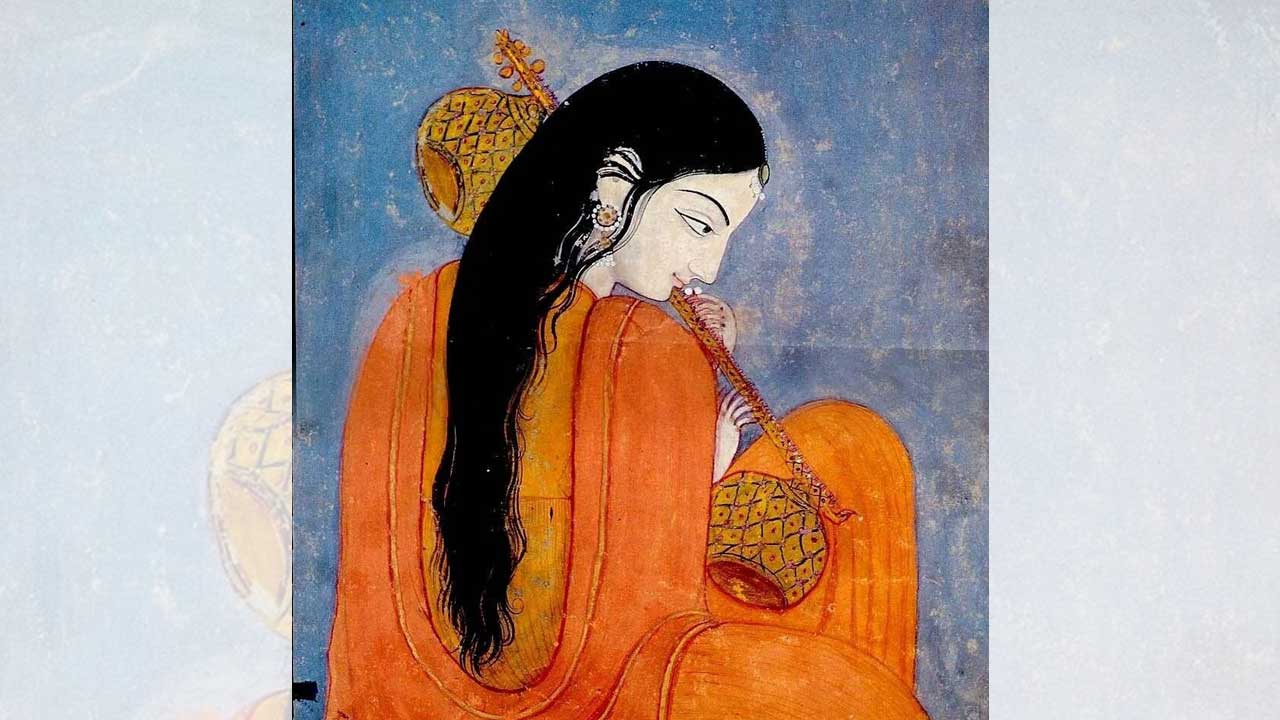
Why Meera was forced to say that no one understood her anguish
With her husband no more and remarriage appearing impossible, the woman in Meera became articulate. Before considering any other aspects of her, Meera should...
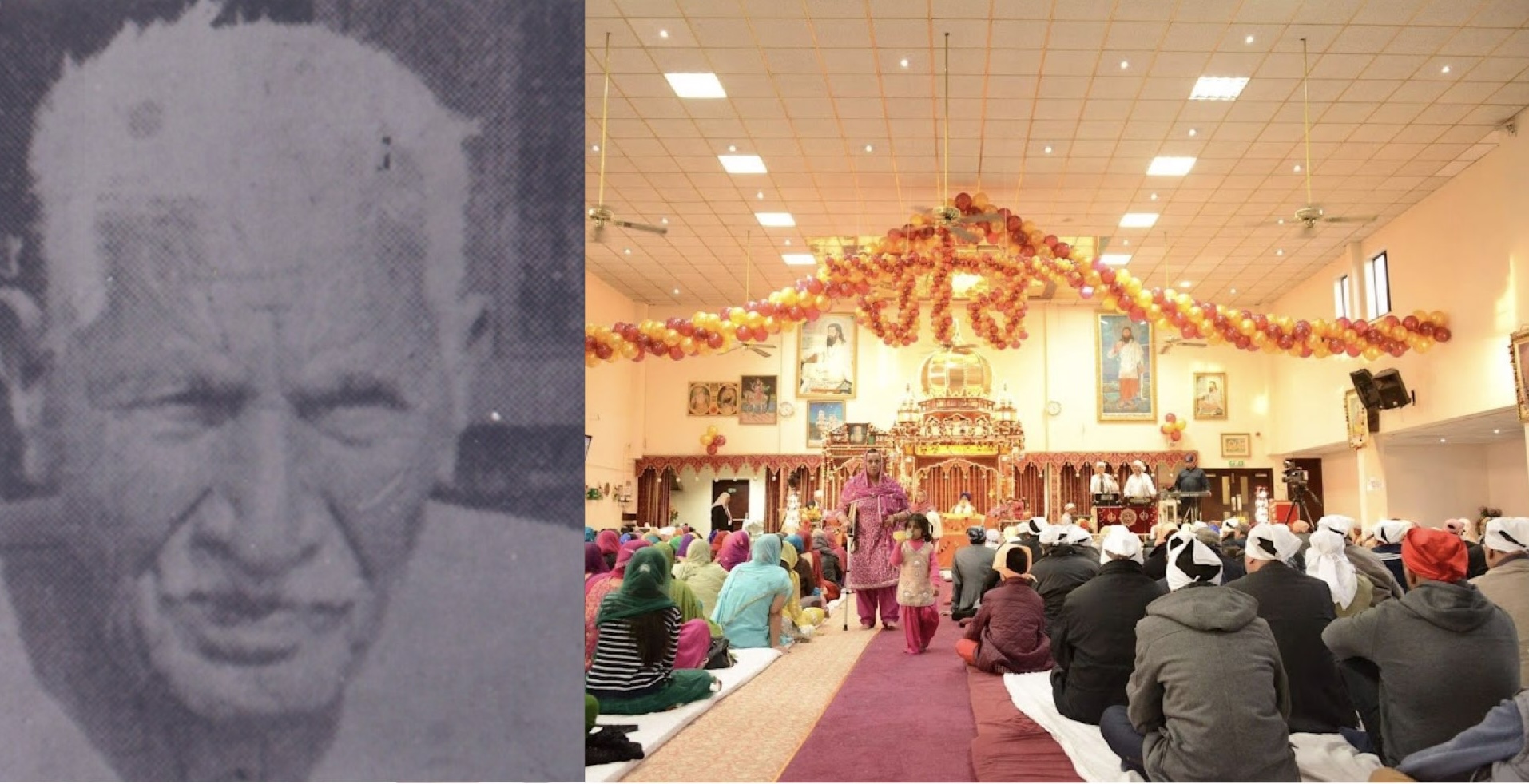
Mangu Ram Mugowalia, Ad Dharm movement and the rise of the Ravidass Panth
Although Guru Ravidass was already a revered figure among the Untouchable community of Punjab, it was the Ad Dharm movement that used images of...
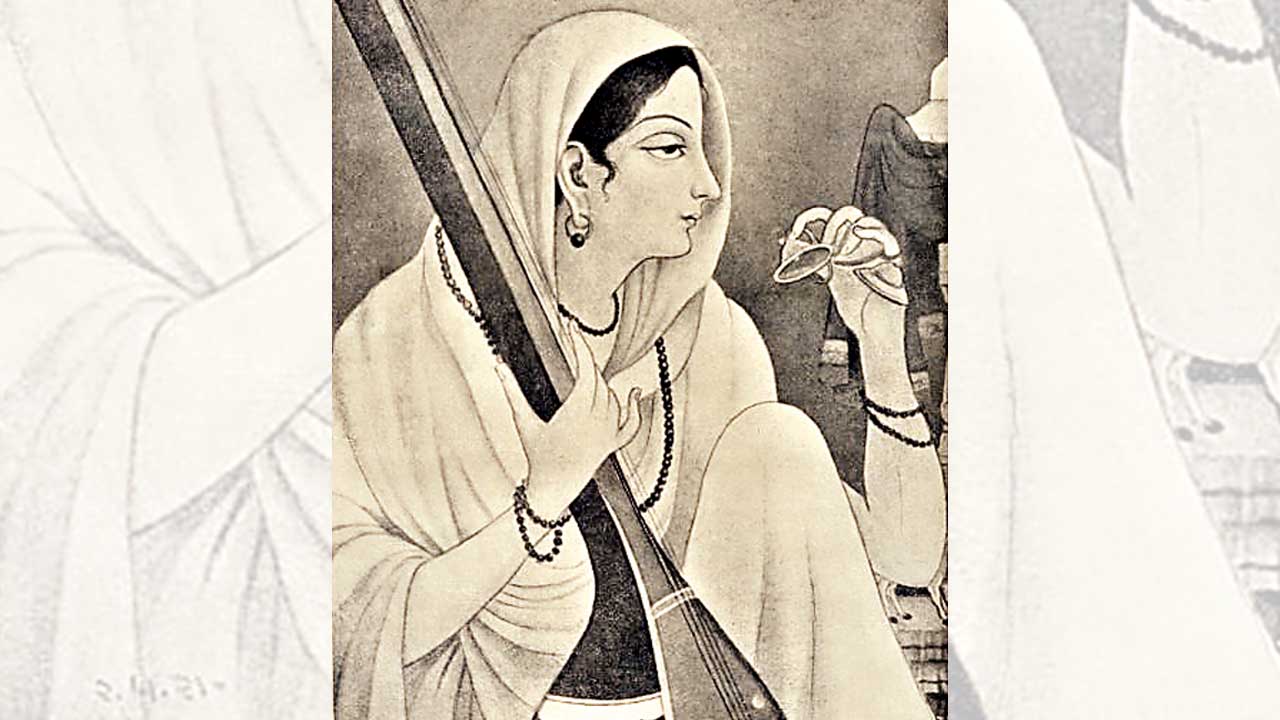
Revisiting Meera and Raidas: Who was Girdhar Nagar?
Meera shedding social inhibitions was not about quitting royal life and embracing a spartan existence; it was about a widow being drawn to a...