The question of caste and the discrimination it entails has always been an electoral challenge for the Sangh Parivar and its political outfit, the Bharatiya Janata Party (BJP). Since its formation in 1980 and even in its earlier avatar as Bharatiya Jana Sangh, it has been the upper castes which have constituted the core base of the party. Both the Jana Sangh and the BJP had avoided the caste question, considering it as the biggest hurdle in their attempt to present a unified Hindu political majority. However, the implementation of the Mandal Commission report by the Vishwanath Pratap Singh-led National Front government in 1990 forced the BJP to engage with the caste question, especially the growing demands for political representation coming from OBCs, hitherto considered irrelevant in north Indian politics despite constituting the largest chunk of the population.

Related Articles
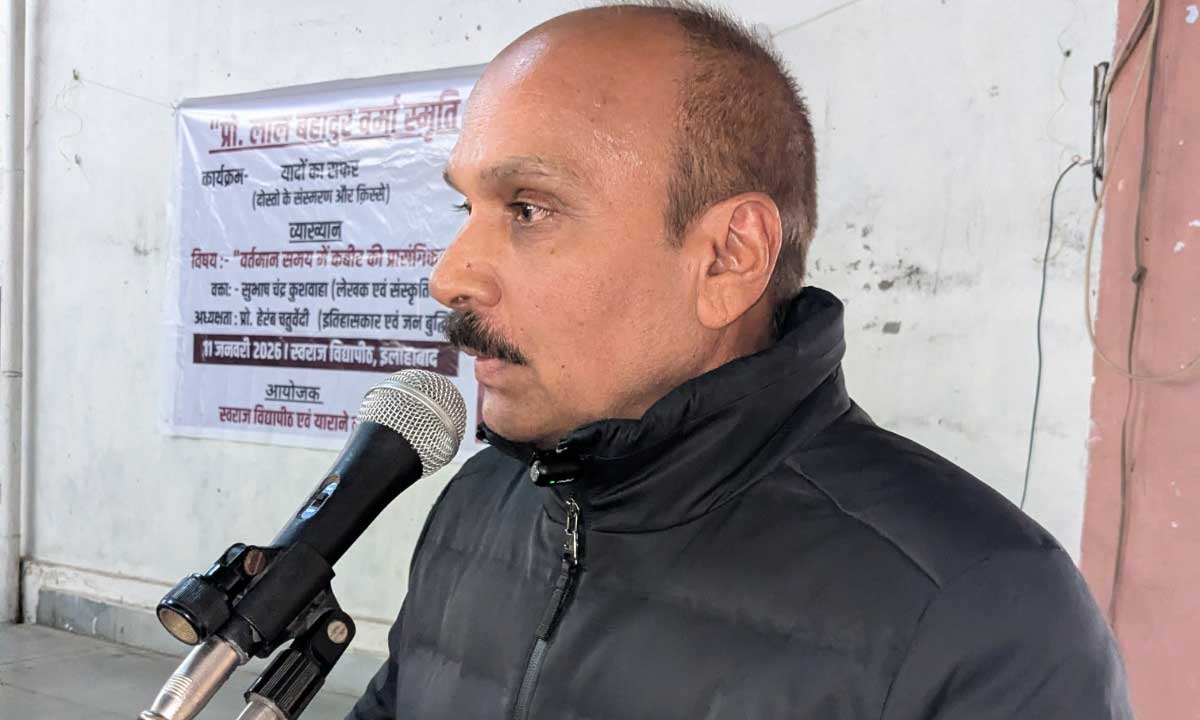
Subhash Chandra Kushwaha’s lecture on Kabir’s relevance today
‘From Jogis, Gorakhnath and Kabir learnt how love is essential for humanity; how the Hindu-Muslim divide can be healed and why Hindustan needs the...
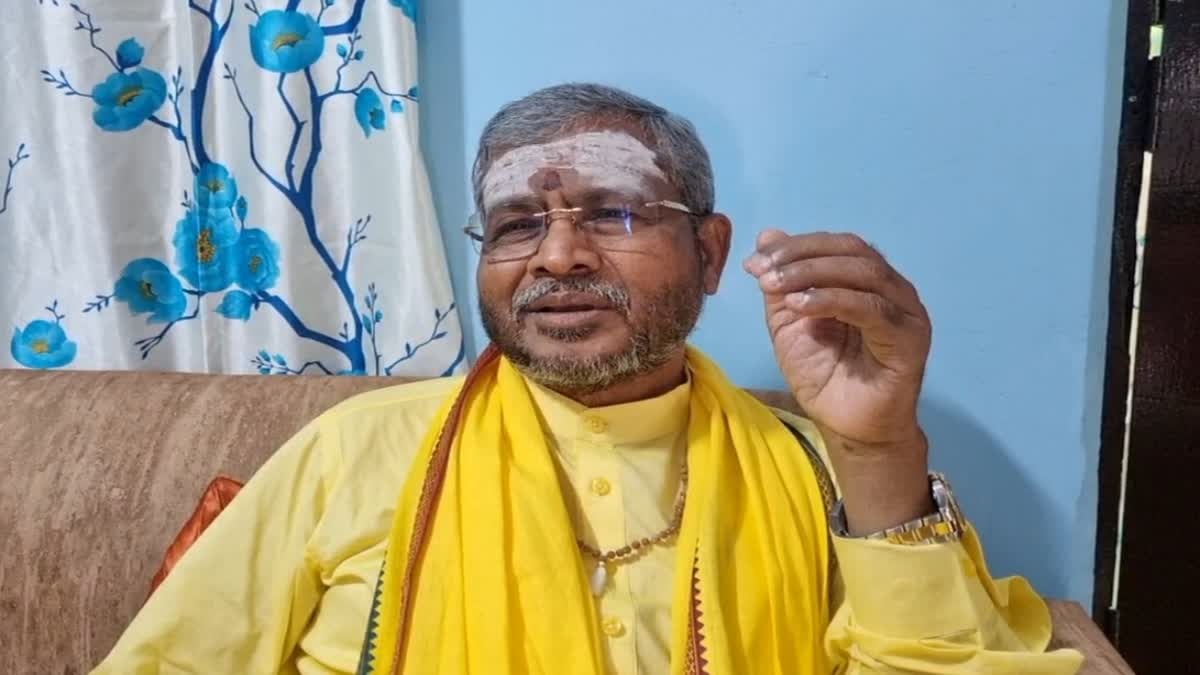
Jharkhand: Attempts to ‘delist’ Christian Adivasis
This exercise is said to be sponsored by the BJP. Most of the BJP leaders – whether Babulal Marandi or Arjun Munda – have...
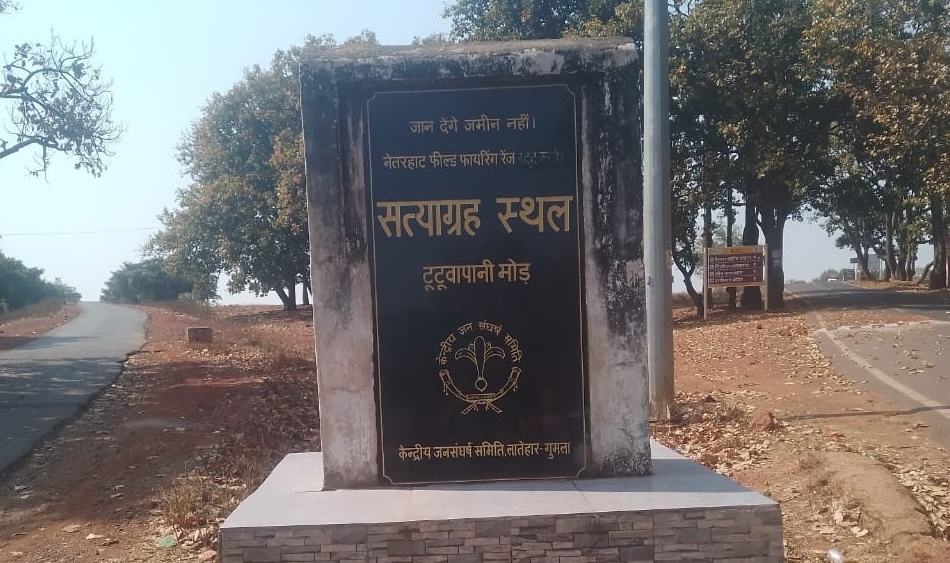
Maoists may surrender but Adivasi struggle will continue
There are many communities in the country that are more neglected than the Adivasis. They include several Dalit and OBC castes. But why did...
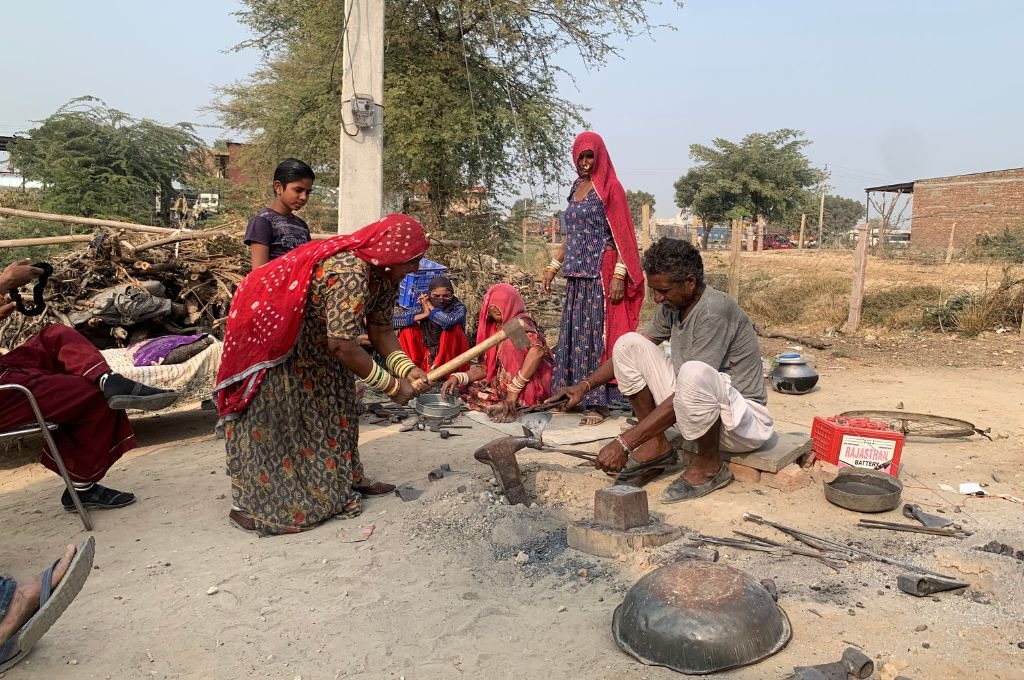
Gadia Lohars: Still on the move, diminishing returns and no place to call home
The market for the products of Gadia Lohars is shrinking. Mechanization of farming has caused the demand for their hand-made implements to plummet. Savage...
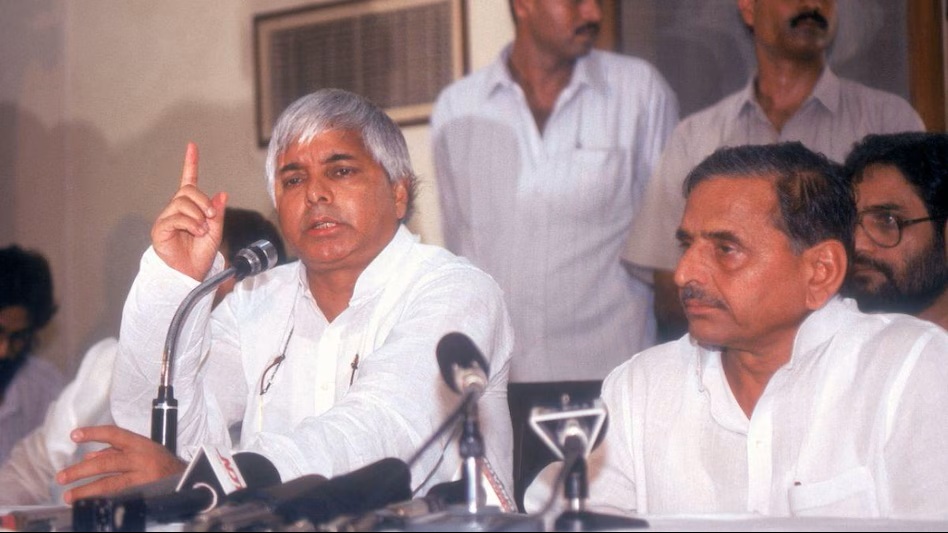
Why upper castes and BJP malign Yadavs in UP and Bihar and SP and RJD
The upper castes and their party and organization – the BJP and the RSS – have been building an anti-Yadav narrative in Uttar Pradesh...