e n

African Americans and Dalits together assert, ‘Black and Dalit Lives Matter!’

Several prominent African American and Dalit intellectuals pledge solidarity in response to a petition launched by US-based India Civil Watch International condemning the rape and murder of Manisha Valmiki in Hathras, Uttar Pradesh

Almost 150 years after Jotirao Phule wrote his seminal treatise Gulamgiri and dedicated it to the “good people of the United States” fighting for the abolition of slavery, African American and Dalit intellectuals came together to condemn racial and caste violence against their communities.

George Floyd wasn’t the first African American to die at the hands of a White policeman, neither was Manisha Valmiki the first Dalit woman to be gang-raped and killed by upper-caste men. On 25 May 2020, a White policeman knelt on the neck of George, an African American, for almost 10 minutes as he lay on the pavement of a Minneapolis (Minnesota, USA) street, killing him. In September, Manisha Valmiki, from a Dalit caste that has been traditionally assigned the unenviable task of manual scavenging, was gang-raped, mutilated and left to die by four upper-caste (Thakur) men in Hathras, Uttar Pradesh.

Yet, the horror that George and Manisha’s murders evoked was unparalleled because the coldheartedness of the State, representing the world’s ‘oldest democracy’ and the ‘largest democracy’, was on full display – whether it was the complicity of the State in the actual murder (George) or in protecting the accused (Manisha). The cries of George that he couldn’t breathe went unheard under the knee of the policeman. There were inordinate delays in providing Manisha the medical attention that she needed and when she died, her body was hurriedly “cremated” by the Uttar Pradesh Police without the consent of her family …

READ THE FULL ARTICLE HERE: African Americans and Dalits together assert, ‘Black and Dalit Lives Matter!’

About The Author

FP Desk

Related Articles

80 years after Independence, we, the manual scavengers, are still fighting for our freedom
We, the Safai Karmachari Andolan (SKA), have launched a yearlong campaign to free India from the shameful practice of manual scavenging. There is a...
Why are men afraid of women’s freedom?
Men are not necessarily afraid of women’s freedom itself. Sometimes we are afraid of what women’s freedom asks us to reconsider about ourselves. It...
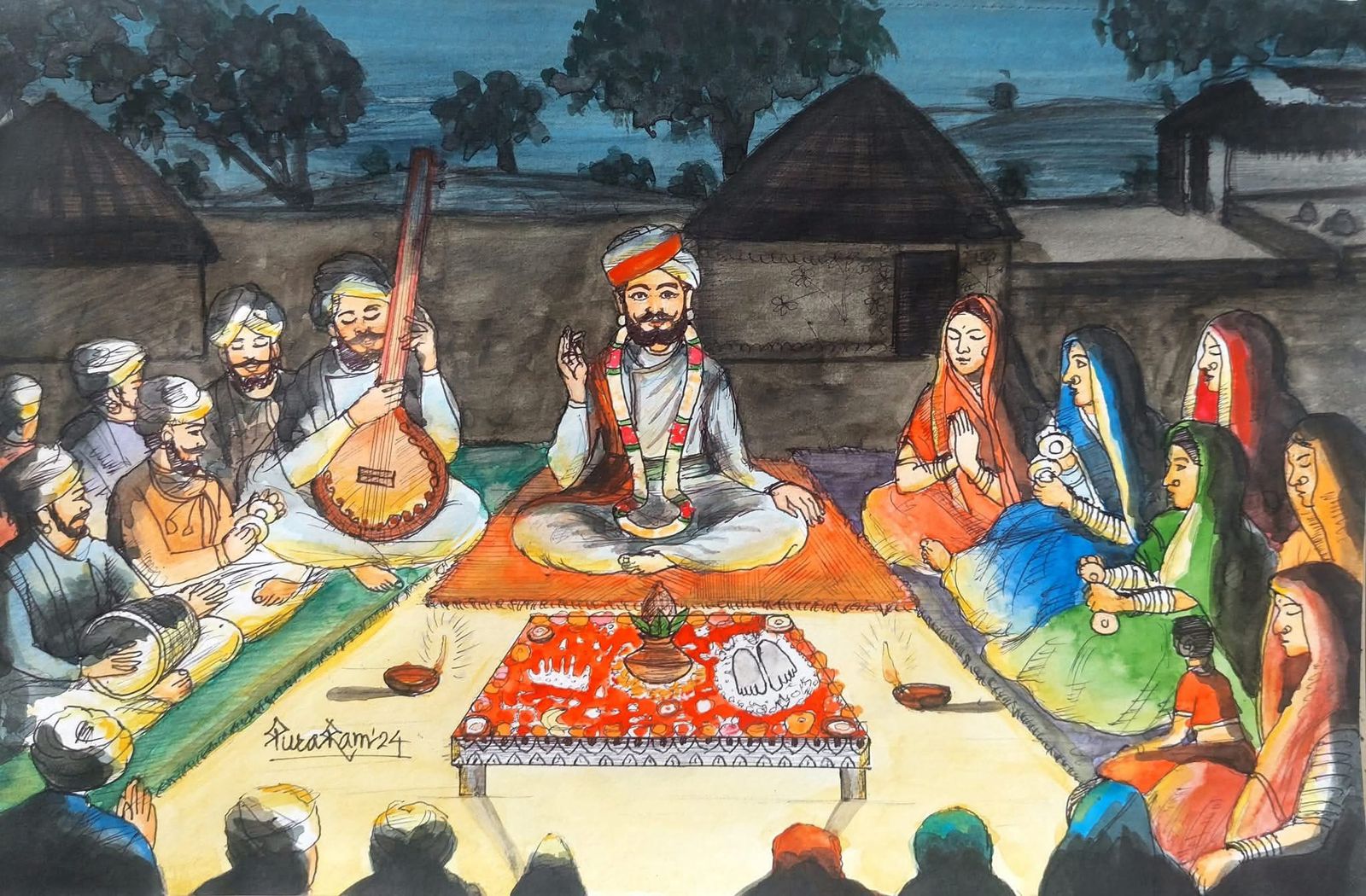
Unmistakably Dalitbahujan character of the Ramdev Pir Jatra
Held in the month of Bhadon, the ‘jatra’ (pilgrimage) is very different from the Kanwar Yatra. The pilgrims are disciplined – they don’t provoke...
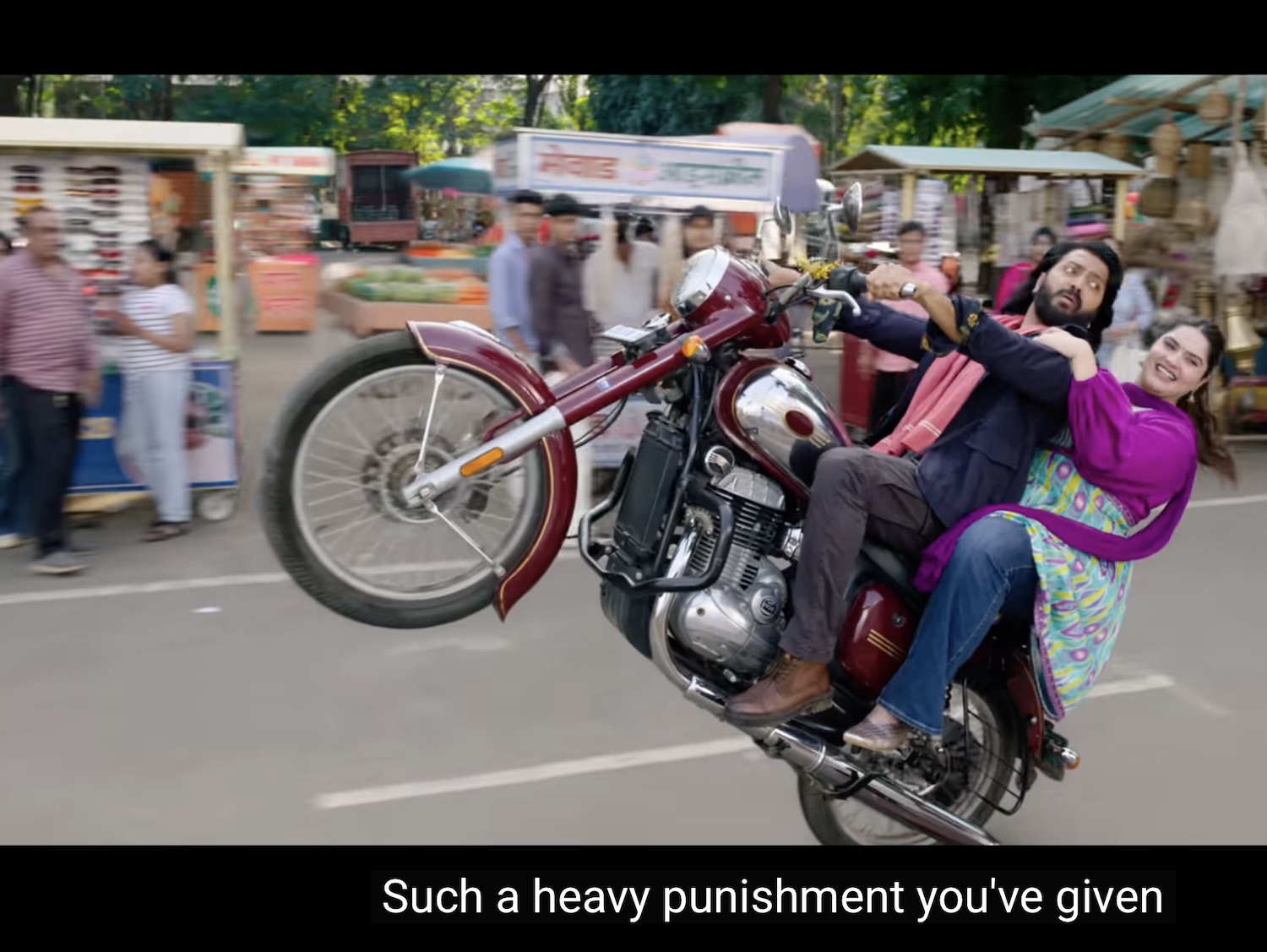
‘Dhamaal 4’ and the problem with laughing at the margins
Indian comedy is capable of laughter-filled entertainment that does not depend, like in ‘Dhamaal 4’, on body-shaming, misogyny or the caricaturing of labouring and...
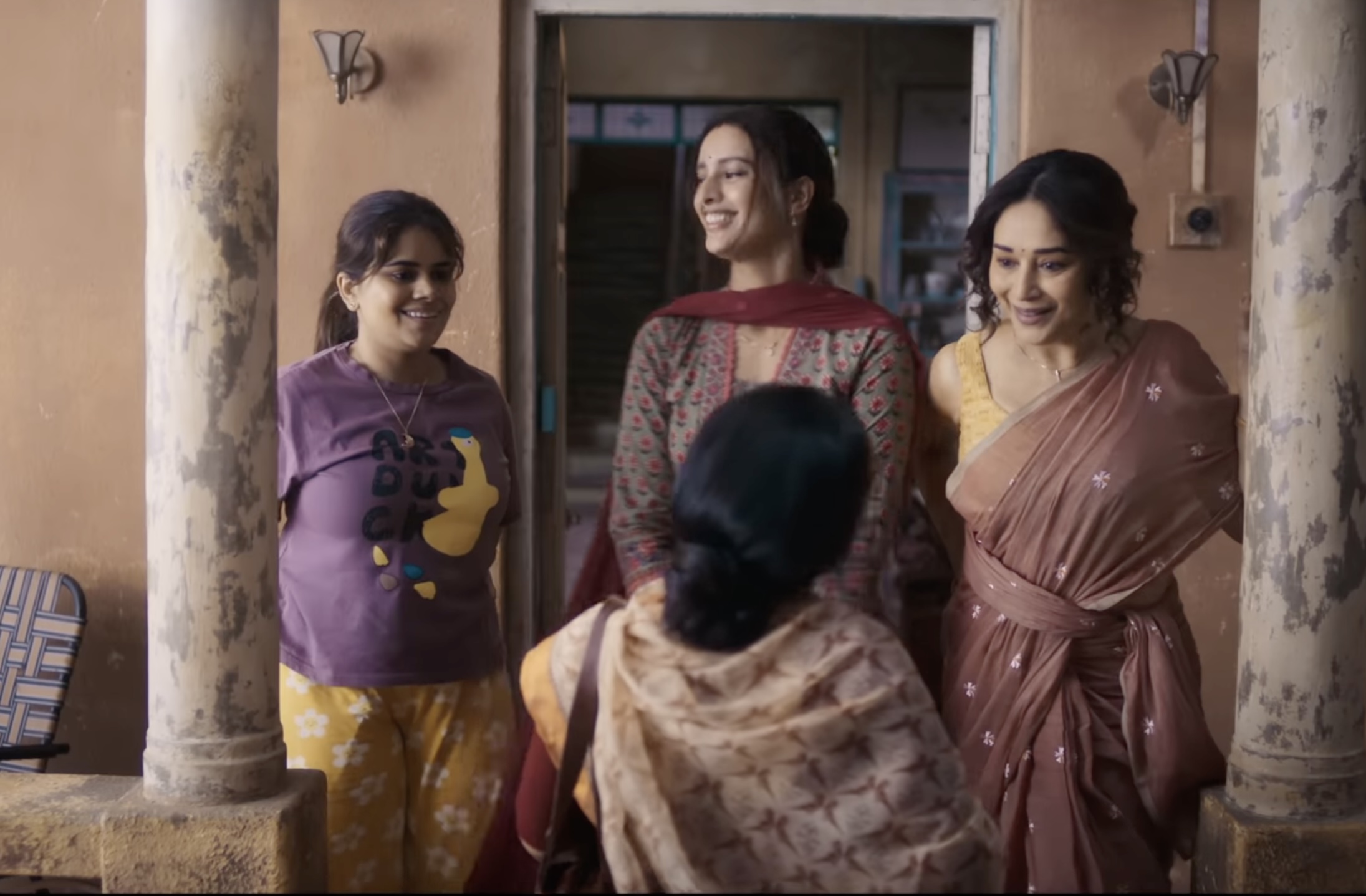
Who owns a woman’s story? Rumours, reputation and resistance in ‘Maa Behen’
Maa Behen (Mother-Sister) are everyday North Indian words that serve a double function – the most sacred of kin relations and simultaneously the category...