e n

Small or large, farmers are not parasites, Mr Prime Minister!

Drawing on his personal experience, Bhanwar Meghwanshi argues that the three farm laws, against which the farmers are protesting on the borders of Delhi, are more damaging to small and landless farmers than to their richer counterparts

Replying to the discussion on the motion of thanks on the president’s address in the Rajya Sabha on February 8, Prime Minister Narendra Modi coined a new word – andolanjeevi. In a jibe aimed at the farmers’ agitation, he said that just as there are “buddhijeevis” (intellectuals) and “shramjeevis” (those who live by the sweat of their brow), so there are “andolanjeevis” (those who live off agitations). He described the “andolanjeevis” as parasites and warned the nation to beware of them. He also said that 12 crore small farmers in the country didn’t sell their produce in mandis and had nothing to do with the Minimum Support Price (MSP). What he meant was that the ongoing movement was of the big farmers and that the small cultivators were unconcerned by it.

READ THE FULL ARTICLE HERE: Small or large, farmers are not parasites, Mr Prime Minister!

About The Author

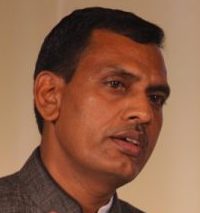
Bhanwar Meghwanshi

Author, journalist and socio-cultural activist Bhanwar Meghwanshi is the editor of Shunyakal.com. His autobiography ‘Main ek Karsewak tha' is about his early days as a Rashtriya Swayamsevak Sangh (RSS) worker and how he left the organization and became its staunch critic. The English translation of the book was published recently under the title ‘I Could not be Hindu’.
Related Articles

‘Satluj’ and the politics of film censorship
The most important question raised by ‘Satluj’ is whether democratic societies possess the confidence to face uncomfortable stories without seeking to silence them. If...
Ram Temple embezzlement: How the Dalitbahujan see it
‘Had the offerings been small, there would have been no problem. All the staff would have made merry and no one would have noticed....
Odisha: Mob violence is not simply a law-and-order problem
The challenge before Odisha is not merely administrative but moral. Law and order or economic growth alone cannot sustain democracy. A republic survives because...
A classroom for those left behind
Educational spaces can often reproduce social hierarchies through uneven access to resources, linguistic barriers, and fear of being judged based on one’s background. Against...
Assam: Uniform Civil Code and Muslim women of the ‘Char’ areas
A combination of equal opportunities and fair legislation can help overcome the structural and geographical barriers that isolate Assam’s riverine Char communities from the...