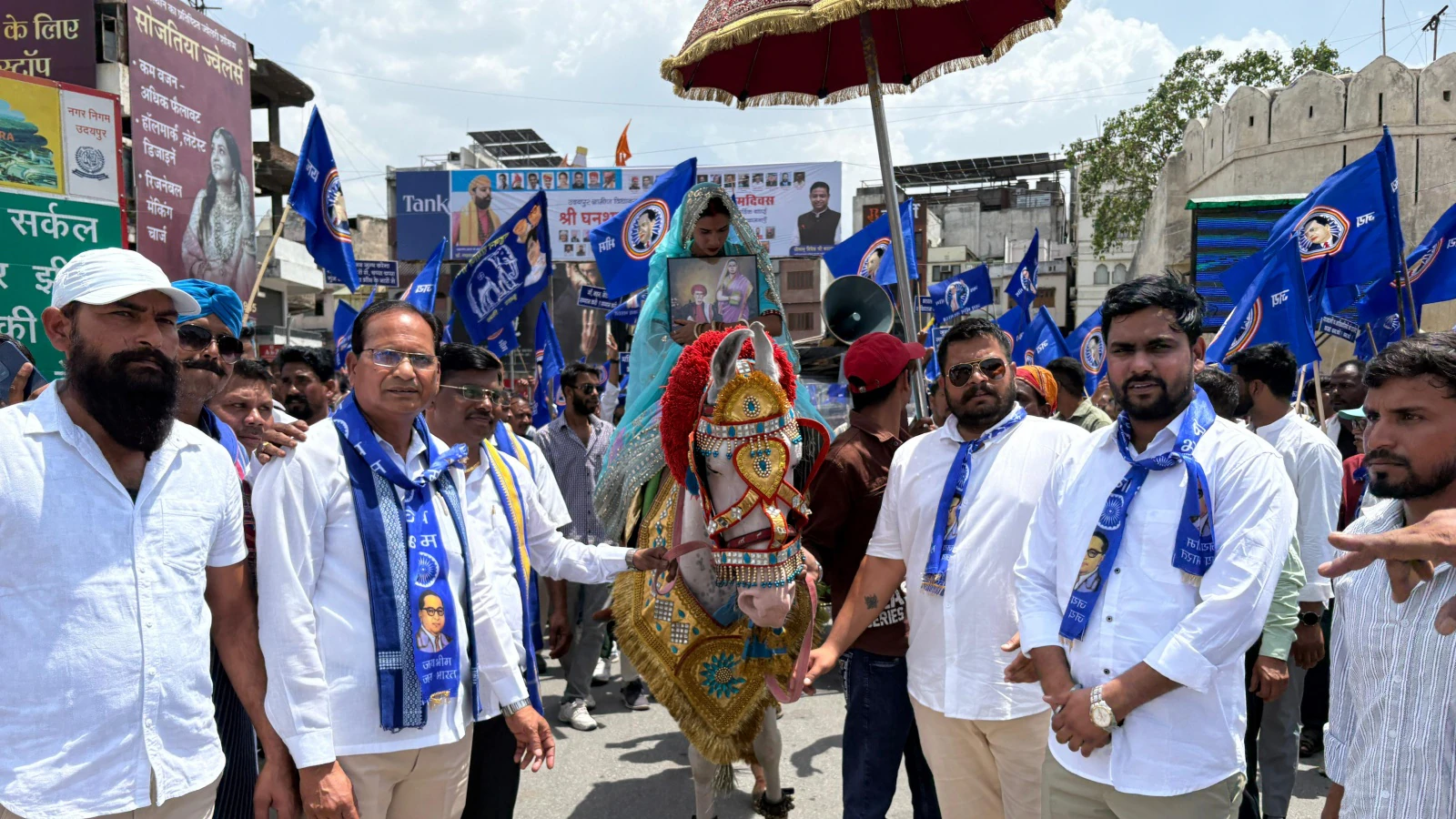
Of late, the discourse in Punjab in reference to the 2022 assembly elections has been centred on the Dalit share in the higher echelons of power politics. All political parties have been promising, if elected to form a government in Punjab, to honour the Dalit community (almost a third of Punjab’s population) by appointing a Dalit as the deputy chief minister or even chief minister. Now the Indian National Congress (INC) has pre-empted the other parties by appointing Charanjit Singh Channi, a Ramdasia Dalit Sikh and sitting MLA from the prestigious Chamkaur Sahib SC reserved seat, as the 17th chief minister.
About The Author

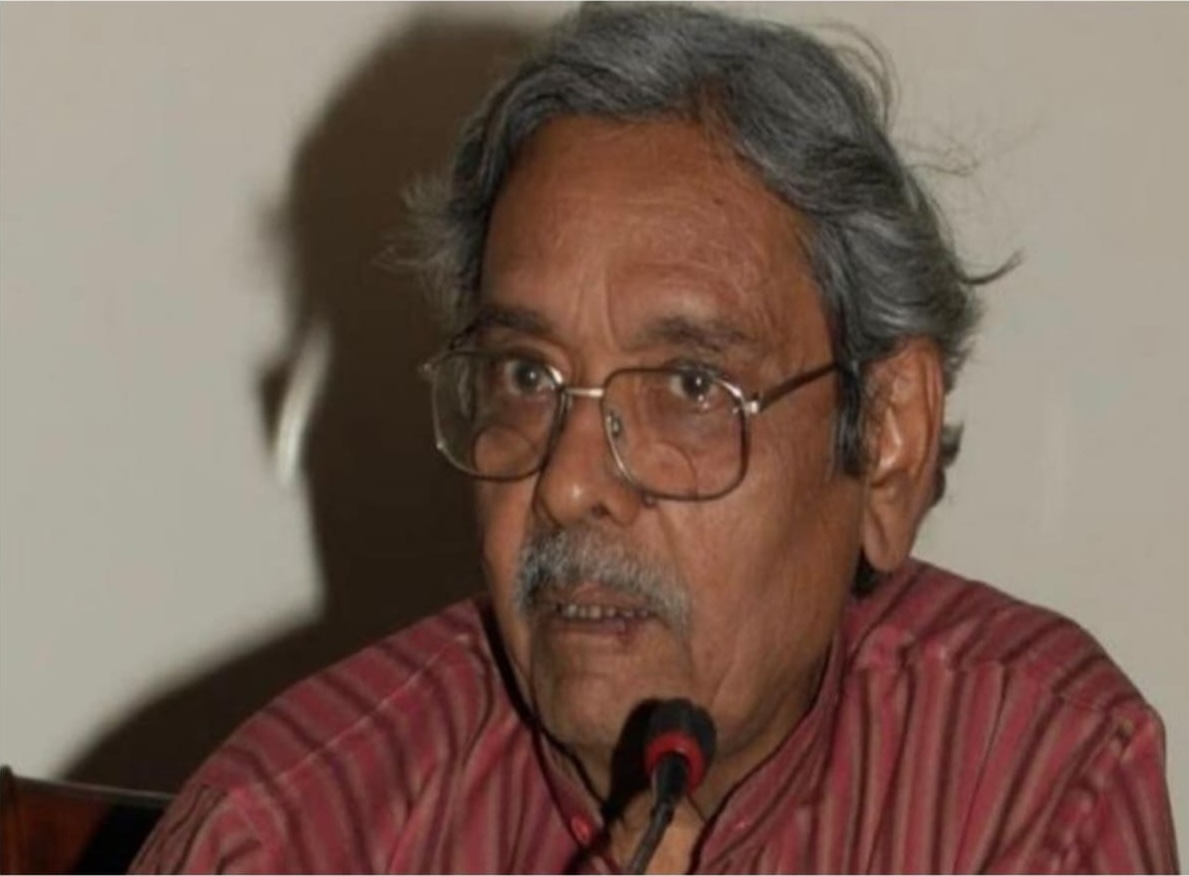
Ronki Ram
Ronki Ram is Emeritus Professor at the Institute for Development & Communication, Chandigarh. He was formerly Shaheed Bhagat Singh Chair Professor & Dean (Faculty of Arts), Panjab University, Chandigarh. Ram has been a professor of Contemporary India Studies at Leiden University in Leiden, the Netherlands, and a visiting professor at the Centre of Sikh and Panjabi Studies in the University of Wolverhampton, UK. He holds a PhD in International Studies from Jawaharlal Nehru University and a post-doctoral fellowship in Peace and Conflict Resolution from Uppsala University, Sweden. Among the books he has authored or edited are ‘Dalit Pachhan, Mukti atey Shaktikaran’ (Dalit Identity, Emancipation and Empowerment. Patiala: Punjabi University Publication Bureau, 2012), ‘Dalit Chetna: Sarot te Saruup (Dalit Consciousness: Sources and Form; Chandigarh: Lokgeet Prakashan, 2010) and ‘Globalization and the Politics of Identity in India’, Delhi: Pearson Longman, 2008 (edited with Bhupinder Brar and Ashutosh Kumar).