e n

Gurmukh Singh: Farmers’ movement successful but issues of Dalit farm labourers remain

“There is no Dalit leadership in the Samyukta Kisan Morcha (SKM). It is a front of landowning farmers. None of them is a Dalit. Some said, ‘Why should we back the farmers then?’ Let them keep our demands at the centre of their movement. But we said, ‘How can we do that?’” says Gurmukh Singh, a leader of the Zameen Prapti Sangharsh Samiti, Punjab

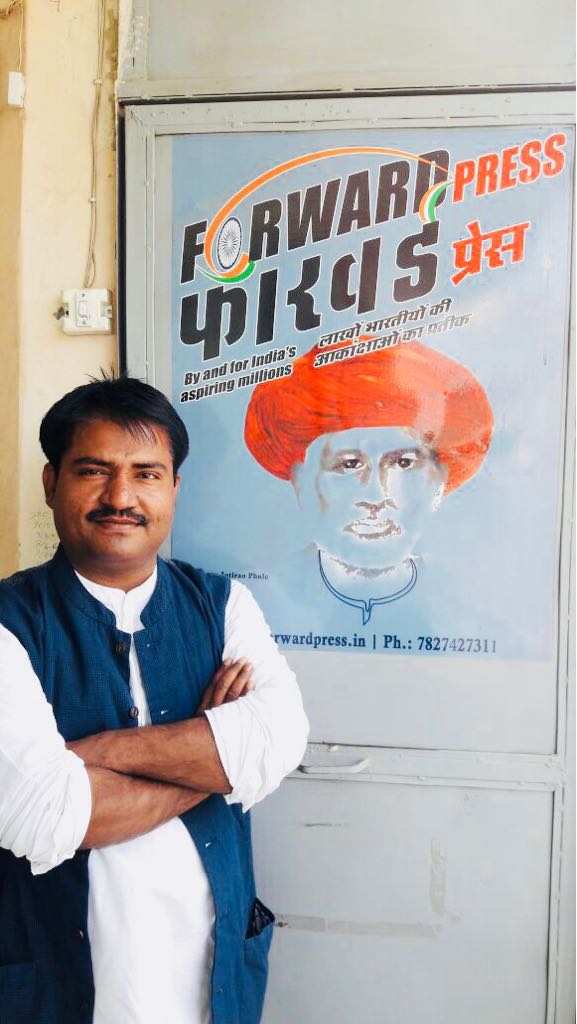
The central government has accepted almost all the demands of the farmers, who have been agitating on the borders of Delhi for the past one year and 13 days. They have started returning to their homes. What role did the Dalits play in this movement? What have they gained or hope to gain from this movement? In an interview with FORWARD Press, Gurmukh Singh, a leader of the Zameen Prapti Sangharsh Samiti, Punjab, answered these questions. Edited excerpts of the conversation:  

Please introduce yourself and your organization to our readers. Also, what are its objectives?

My name is Gurmukh Singh and the name of our organization is Zameen Prapti Sangharsh Samiti (ZPSC). I am a member of the zonal committee of the organization. Our organization raises issues related to land rights of the Dalits and other castes. We also fight to secure justice to farm labourers who are victims of oppression or violence. 
READ THE FULL ARTICLE HERE: Gurmukh Singh: Farmers’ movement successful but issues of Dalit farm labourers remain

About The Author

Nawal Kishore Kumar

Nawal Kishore Kumar is Editor (Hindi), Forward Press

Related Articles

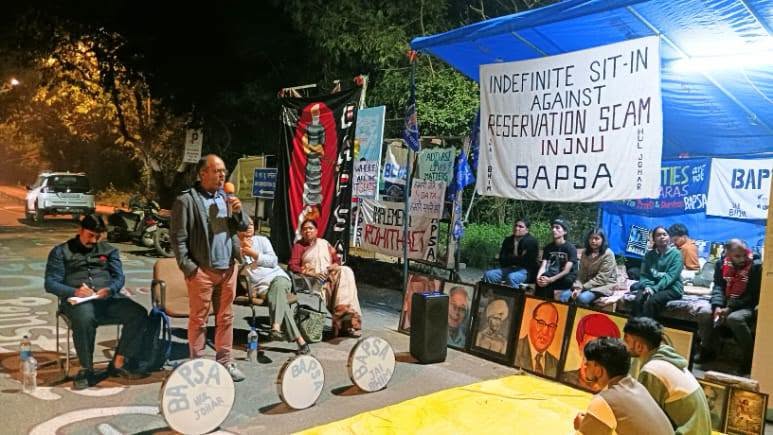
Exclusion before selection: How STs are being denied their full quota in JNU
JNU’s current pattern of PhD seat allocation further underscores these concerns. One can easily raise a question: How does the administration manage to nearly...
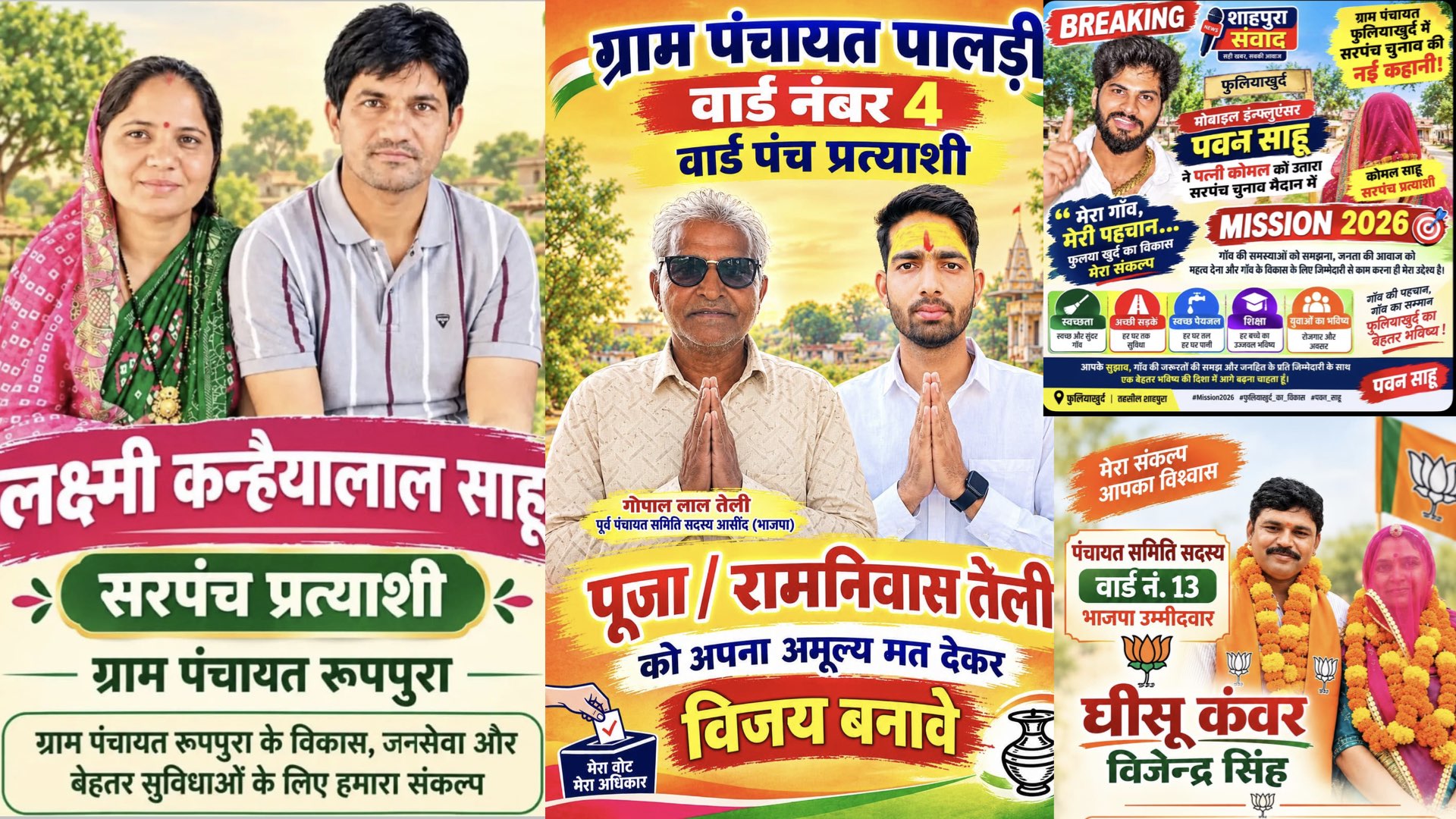
Rajasthan’s ‘Sarpanch Pati’ problem
A woman who does not appear prominently in campaign material, speak at public meetings or meet voters independently has fewer opportunities to establish her...
Citizens, not media houses, are the fourth pillar of democracy
When the press is designated the fourth pillar, it is with reference to its role as a watchdog. But there is a basic difference...
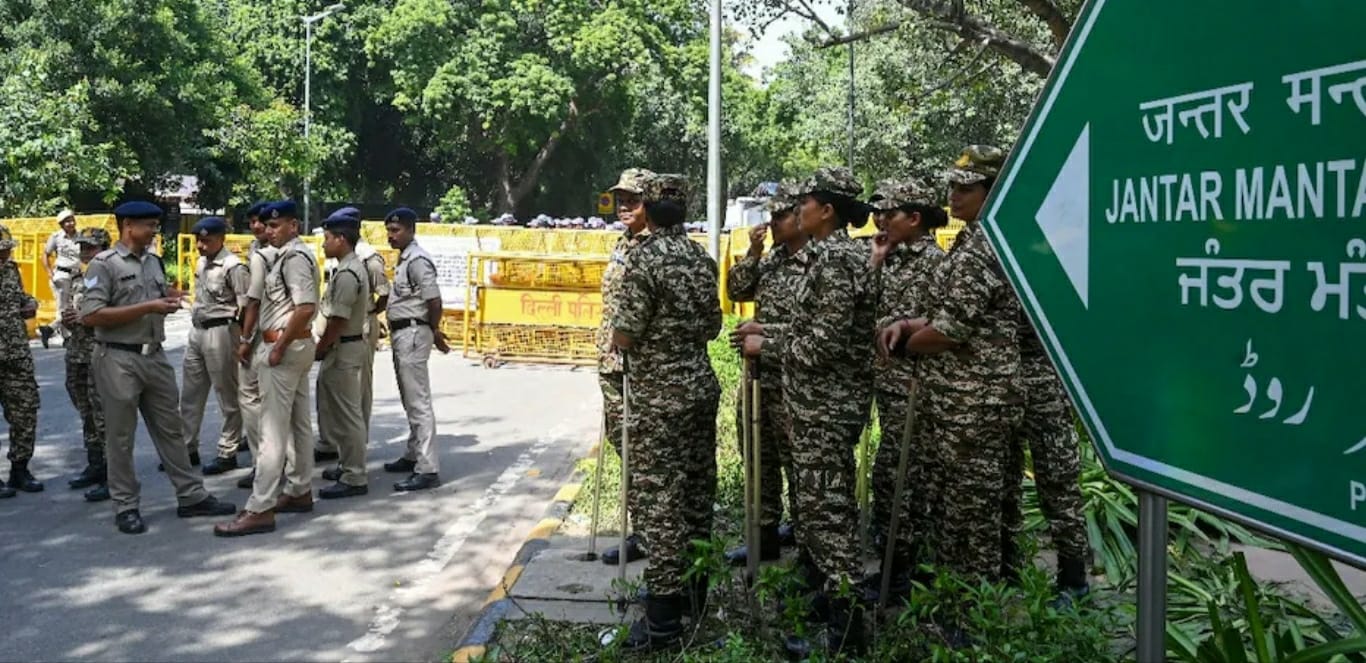
Jantar Mantar is an institution for collective freedom of expression
The State has been consistently trying to make the echoes of the right to freedom of expression inaudible to Parliament. It has been using...
Why and how I wrote the novel ‘Harappa: God’s City of Civilisation’
Neither Ayodhya named in the Ramayana nor Dwaraka named in the Mahabharata have proven excavational evidence of having been ancient cities. My novel, on...