e n

The Gokulraj Murder Case: Exemplary arguments that led to the conviction under SC-ST Act

Refusing to heed the defence’s arguments against the hatching of a conspiracy, the judge made clear that the young Dalit man’s murder was a flagrantly unconstitutional act, meant to shore up the caste order, writes V. Geetha

On March 8, a special court in Madurai, Tamil Nadu, followed up on the conviction of 10 men for the murder of Gokulraj, a young Dalit engineering student, in 2015 by sentencing all of them to life imprisonment. In the case, the Prosecution had submitted a written deposition in addition to oral arguments, which reads like a crime thriller but the crime is so horrific that the word “thriller” ought to be replaced by “horror”.

READ THE FULL ARTICLE HERE: The Gokulraj Murder Case: Exemplary arguments that led to the conviction under SC-ST Act

About The Author

V. Geetha

V. Geetha is a writer, translator, social historian and activist who has written widely in English and Tamil on modern Tamil history, caste, gender, education and civil rights. She is most recently the author of 'Bhimrao Ramji Ambedkar and the Question of Socialism in India' (Palgrave Macmillan). Geetha has co-written, with S.V. Rajadurai, essays on the Dravidian movement and politics published in the ‘Economic and Political Weekly’, and the book, ‘Towards a Non Brahmin Millennium: From Iyothee Thass to Periyar’. They have also authored monographs on Western Marxism, including a comprehensive volume on the life and thought of Antonio Gramsci.


Related Articles

Exclusion before selection: How STs are being denied their full quota in JNU
JNU’s current pattern of PhD seat allocation further underscores these concerns. One can easily raise a question: How does the administration manage to nearly...
Rajasthan’s ‘Sarpanch Pati’ problem
A woman who does not appear prominently in campaign material, speak at public meetings or meet voters independently has fewer opportunities to establish her...
Citizens, not media houses, are the fourth pillar of democracy
When the press is designated the fourth pillar, it is with reference to its role as a watchdog. But there is a basic difference...
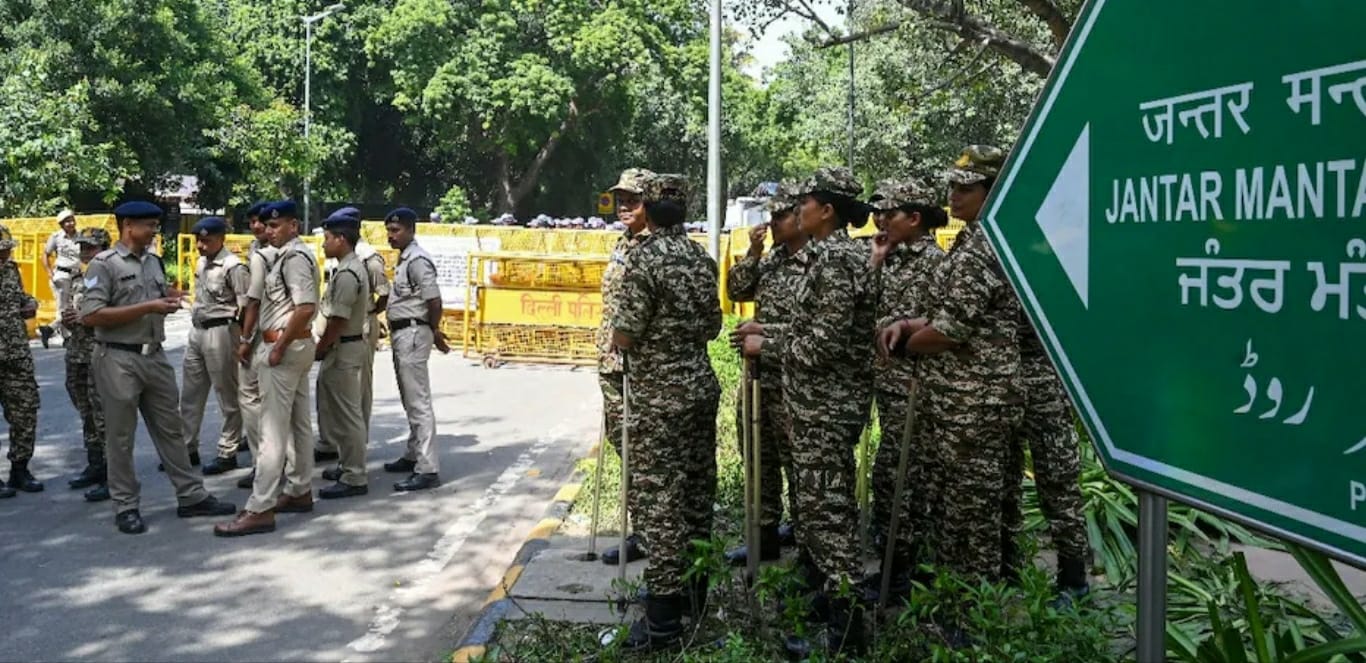
Jantar Mantar is an institution for collective freedom of expression
The State has been consistently trying to make the echoes of the right to freedom of expression inaudible to Parliament. It has been using...
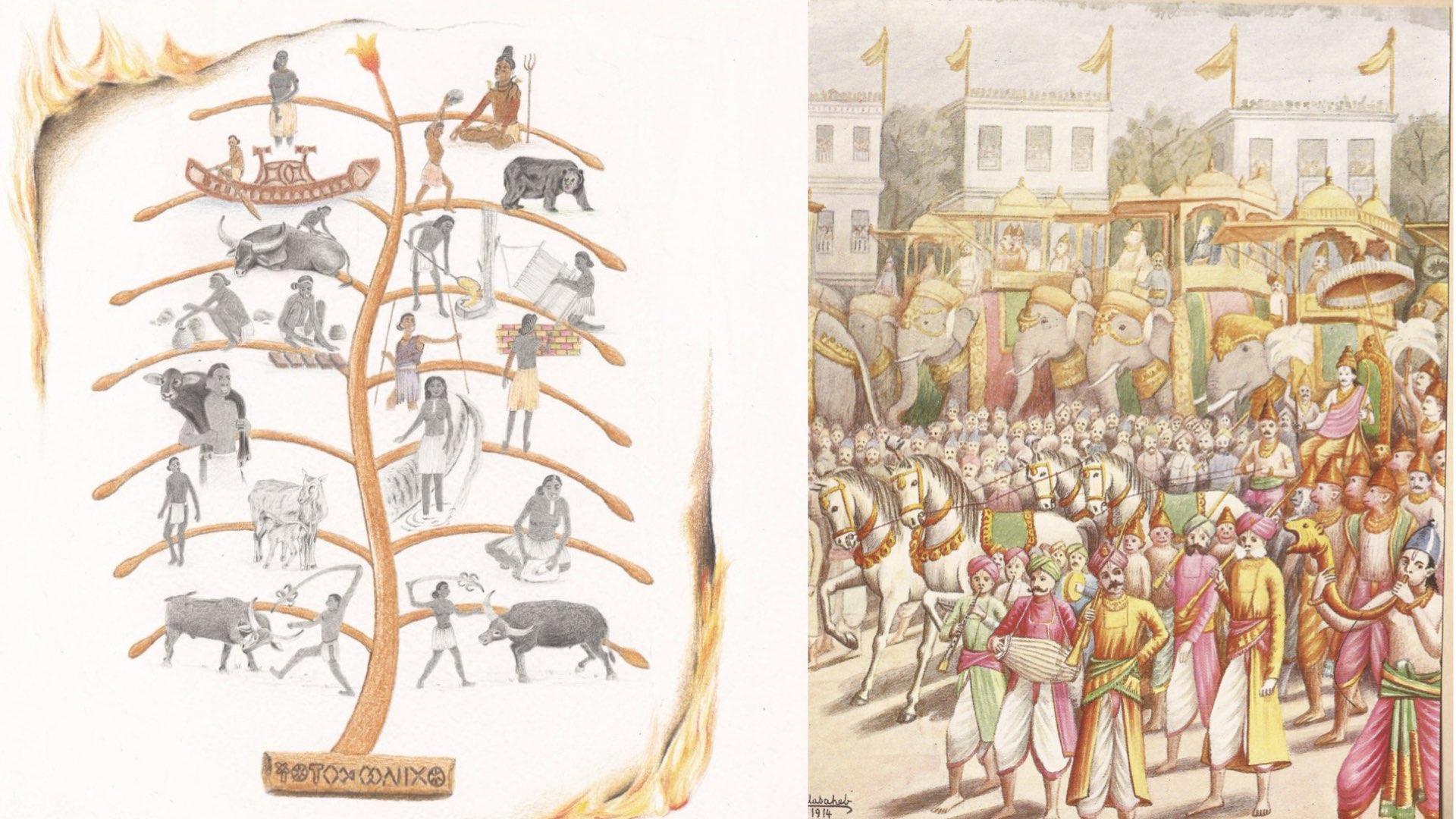
Why and how I wrote the novel ‘Harappa: God’s City of Civilisation’
Neither Ayodhya named in the Ramayana nor Dwaraka named in the Mahabharata have proven excavational evidence of having been ancient cities. My novel, on...