Bahujan Culture
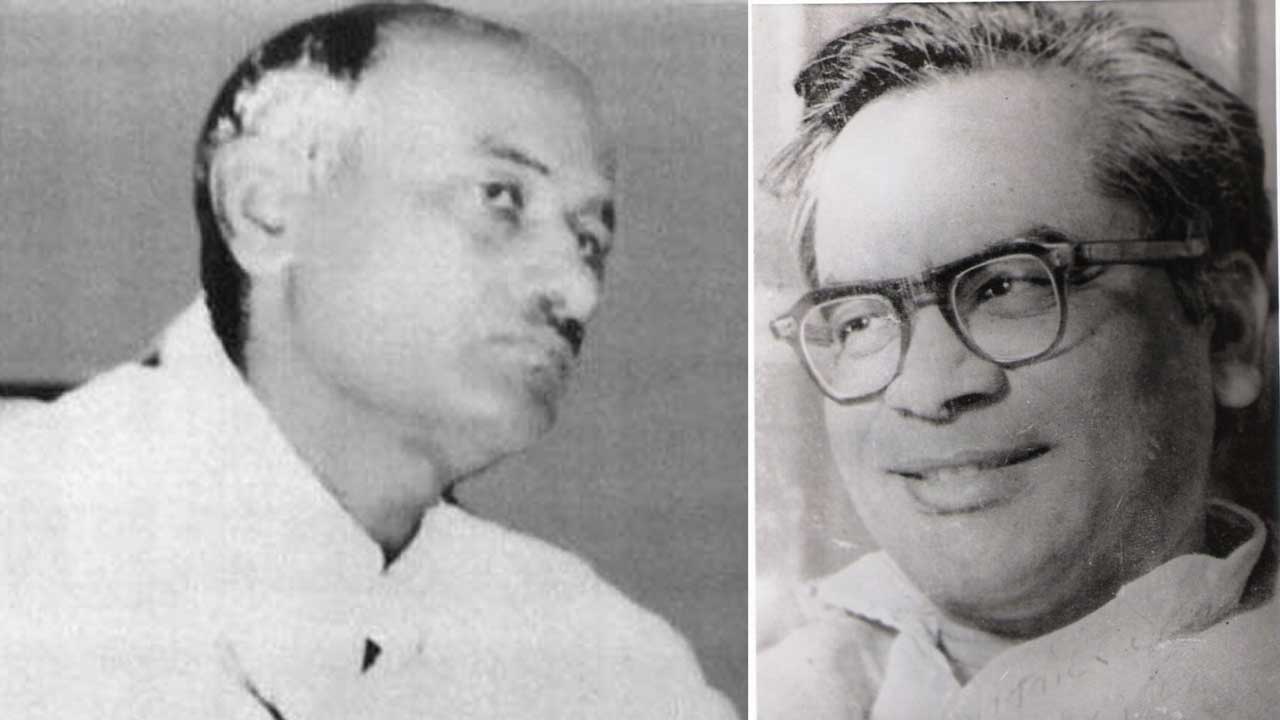
Socialism: Ram Manohar Lohia versus Jagdeo Prasad
If the RJD and JDU leadership in Bihar and the SP leadership in Uttar Pradesh do not have a clear, scientific and rational outlook on cultural issues, it is partly due to the influence of...

Gender, displacement and minorities: A critical review of Hansda Sowvendra Shekhar’s ‘The Adivasi Will Not Dance’
As an Adivasi, the author is justified in highlighting the distinct traditions and values of the Adivasi community, but progressive politics places on him the responsibility of trying to forge a unity of the oppressed,...
Review: Kancha Ilaiah Shepherd’s ‘Harappa: God’s City of Civilisation’
Kancha Ilaiah Shepherd’s first foray into fiction is a courageous declaration that the oppressed, too, have the right to imagine, narrate and reclaim their own civilizational inheritance, writes Satya Sagar
Why Meera was forced to say that no one understood her anguish
With her husband no more and remarriage appearing impossible, the woman in Meera became articulate. Before considering any other aspects of her, Meera should be treated as a woman whose desires could not be fulfilled...
Mangu Ram Mugowalia, Ad Dharm movement and the rise of the Ravidass Panth
Although Guru Ravidass was already a revered figure among the Untouchable community of Punjab, it was the Ad...
Revisiting Meera and Raidas: Who was Girdhar Nagar?
Meera shedding social inhibitions was not about quitting royal life and embracing a spartan existence; it was about...
Shabbir Ahmed Ansari: Harbinger of Pasmanda consciousness
Shabbir Ahmed Ansari’s life shows that social reform is not only about sloganeering. It is also about making...
Phule’s Sarvajanik Satyadharma in times of religious hatred
What is surprising is that references to how Phule saw Islam and Christianity are totally missing from the...
More posts