e n

To rule, OBCs need to free themselves from Brahmanism

As the largest community, the backward castes should have been ruling the country. Instead, they have reduced to slaves of the brahmanical order, says R.G. Kureel

Thinkers like Jotirao Phule (Mali), Chhatrapati Shahuji Maharaj (Kurmi), Periyar E.V.R. Naicker (Balija Naidu), Periyar Lalai Singh Yadav (Yadav), Ramswaroop Verma (Kurmi), Jagdeo Prasad (Kushwaha) and many others did their utmost to free the backward castes from the slavery of the brahmanical system. But it would not be an exaggeration to say that the backward castes did not follow in the footsteps of their mentors and emancipators. In 1984, Kanshi Ram founded the Bahujan Samaj Party. He built a movement inspired by these great personalities and made a determined effort to wrest power from the brahmanical forces and hand it over to the Dalitbahujans. But the backward castes never recognized him as their leader. Instead, the leaders of the backward castes continued to carry the palanquin of Brahmanism. They could neither make it to the pinnacle of State power nor free the Backwards from the slavery of Brahmanism.

READ THE FULL ARTICLE HERE: To rule, OBCs need to free themselves from Brahmanism

About The Author

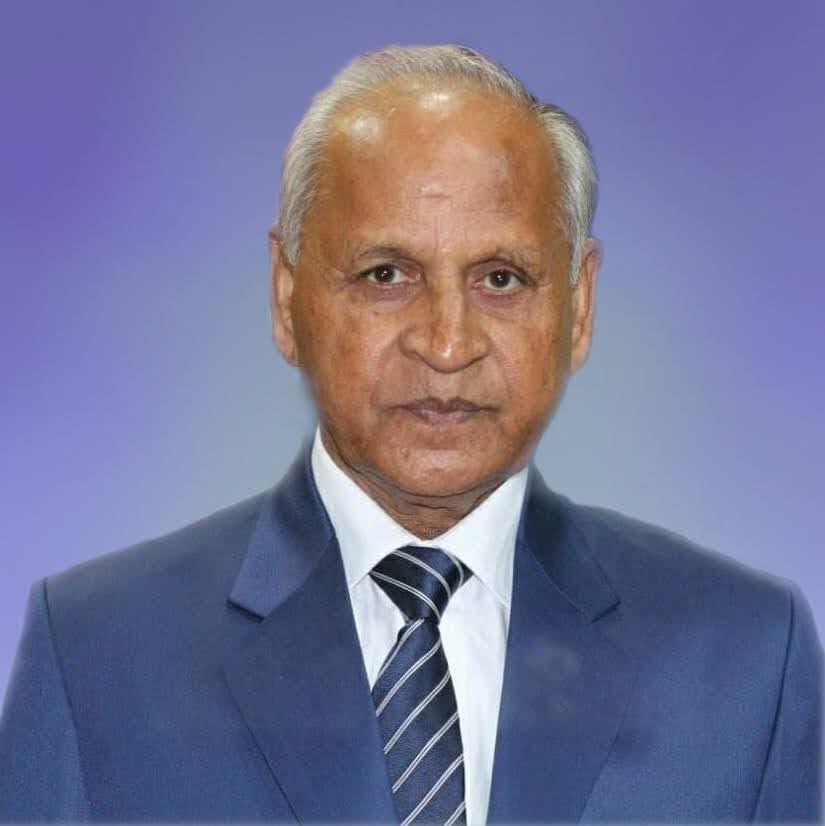
R.G. Kureel

R. G. Kureel is a social activist, author and poet. He is a retired Indian Postal Service officer. His published works include ‘Bhagidari: Kyu aur Kaise’, ‘Zindagi ki Silvaten’ (autobiography), ‘Bahujan Dohawali’ (anthology of poetry) and ‘Bahujan Hunkar’ (anthology of poetry). Kureel edits the monthly magazine ‘Bahujan Savera’.
Related Articles

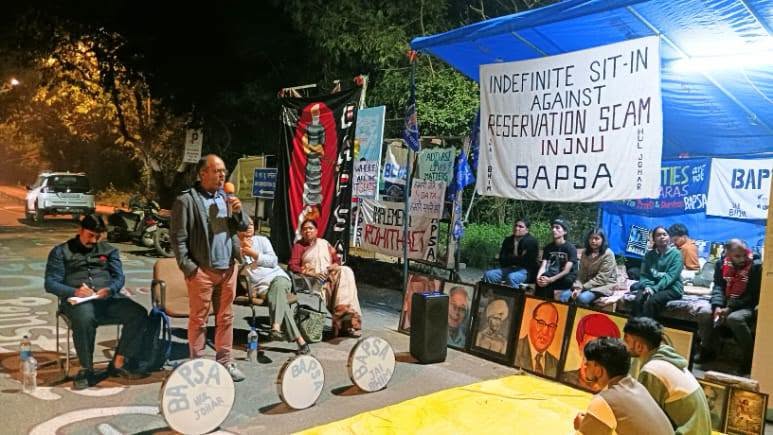
Exclusion before selection: How STs are being denied their full quota in JNU
JNU’s current pattern of PhD seat allocation further underscores these concerns. One can easily raise a question: How does the administration manage to nearly...
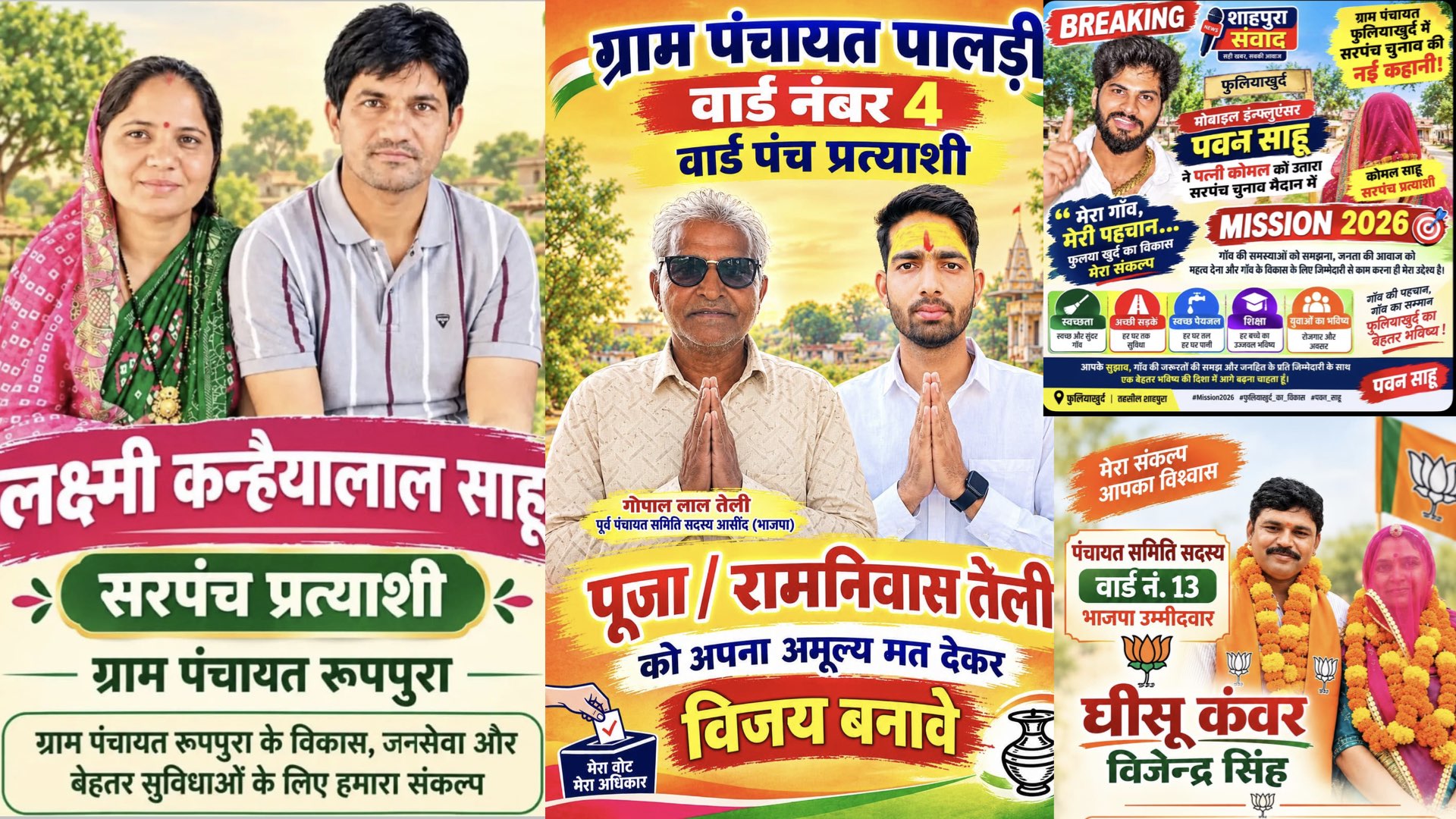
Rajasthan’s ‘Sarpanch Pati’ problem
A woman who does not appear prominently in campaign material, speak at public meetings or meet voters independently has fewer opportunities to establish her...
Citizens, not media houses, are the fourth pillar of democracy
When the press is designated the fourth pillar, it is with reference to its role as a watchdog. But there is a basic difference...
Jantar Mantar is an institution for collective freedom of expression
The State has been consistently trying to make the echoes of the right to freedom of expression inaudible to Parliament. It has been using...
Why and how I wrote the novel ‘Harappa: God’s City of Civilisation’
Neither Ayodhya named in the Ramayana nor Dwaraka named in the Mahabharata have proven excavational evidence of having been ancient cities. My novel, on...