e n

1866 Famine of Orissa: Tragedies within a tragedy

The worst victims of the famine had to seek refuge in feeding centres, where they were barely kept alive by the colonial administration or charitable institutions. Some of them became outcastes because they had shared food there with people of other castes. Jean Dreze reviews Bidyut Mohanty’s ‘A Haunting Tragedy’

It is a sobering thought that, not so long ago, famines occurred in India that killed up to one third of the local population. The famine of 1866 in Orissa is one terrifying example – a “haunting tragedy” as the evocative title of Bidyut Mohanty’s book puts it.

READ THE FULL ARTICLE HERE: 1866 Famine of Orissa: Tragedies within a tragedy

About The Author

Jean Drèze

Jean Drèze, a Belgian-born Indian development economist, is a visiting professor of economics at Ranchi University and an honorary professor at the Delhi School of Economics. He has taught at the London School of Economics and Allahabad University. Drèze’s contribution to documenting the state of India’s rural economy has been monumental. He was one of the key minds behind the (Mahatma Gandhi) National Rural Employment Guarantee Act. He has co-authored books with Nobel laureate Amartya Sen, including ‘Hunger and Public Action’ and ‘An Uncertain Glory: India and its Contradictions’. His research interests include social inequality, elementary education, child nutrition, health care and food security

Related Articles

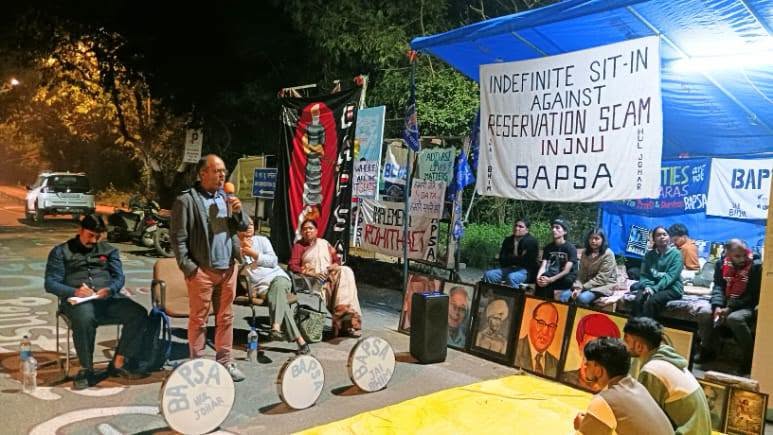
Exclusion before selection: How STs are being denied their full quota in JNU
JNU’s current pattern of PhD seat allocation further underscores these concerns. One can easily raise a question: How does the administration manage to nearly...
Rajasthan’s ‘Sarpanch Pati’ problem
A woman who does not appear prominently in campaign material, speak at public meetings or meet voters independently has fewer opportunities to establish her...
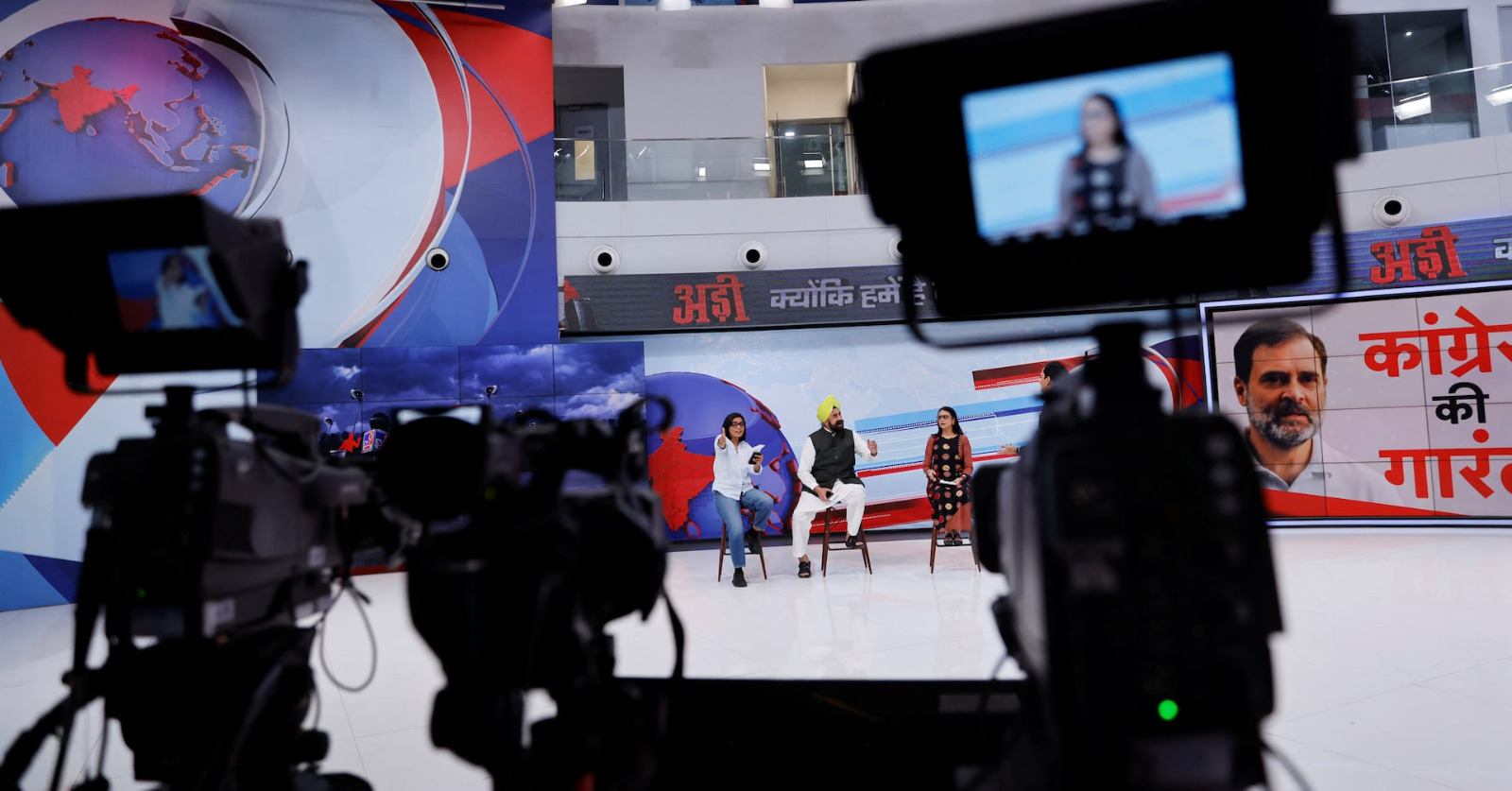
Citizens, not media houses, are the fourth pillar of democracy
When the press is designated the fourth pillar, it is with reference to its role as a watchdog. But there is a basic difference...
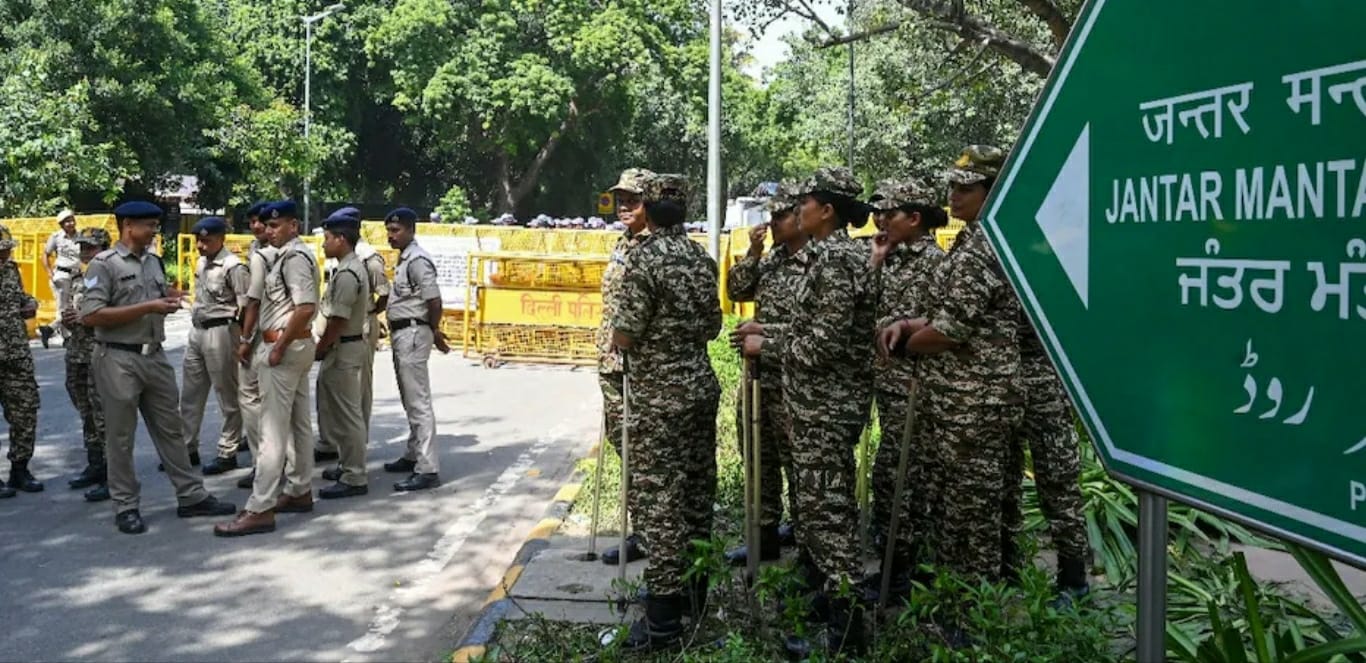
Jantar Mantar is an institution for collective freedom of expression
The State has been consistently trying to make the echoes of the right to freedom of expression inaudible to Parliament. It has been using...
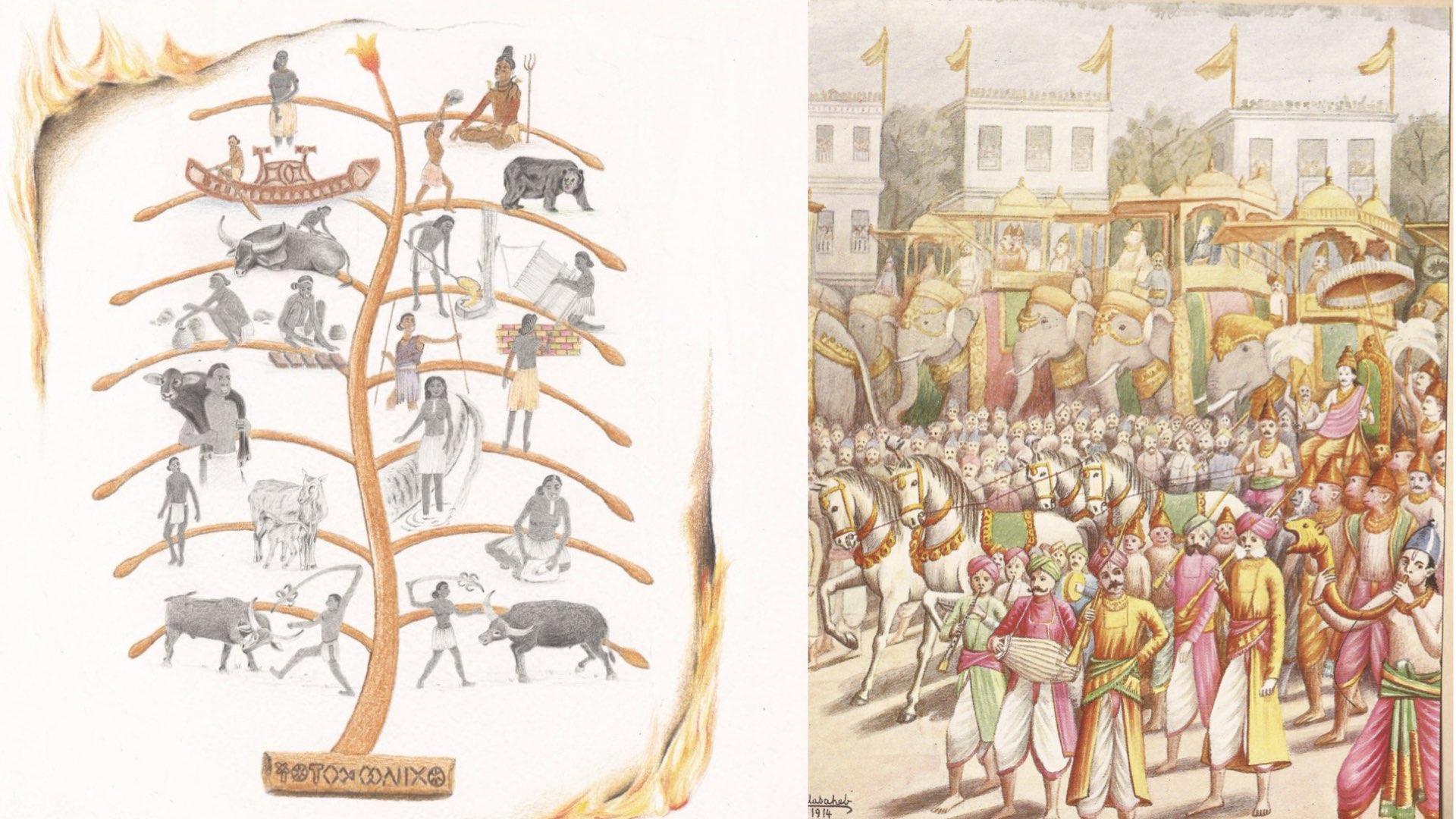
Why and how I wrote the novel ‘Harappa: God’s City of Civilisation’
Neither Ayodhya named in the Ramayana nor Dwaraka named in the Mahabharata have proven excavational evidence of having been ancient cities. My novel, on...